
Do You Have “Ferritin Face” or Are You Just a Tired Millennial?

The low-iron lowdown

ferritin-face
Novo Images/Glasshouse via ZUMA Wire/Shutterstock

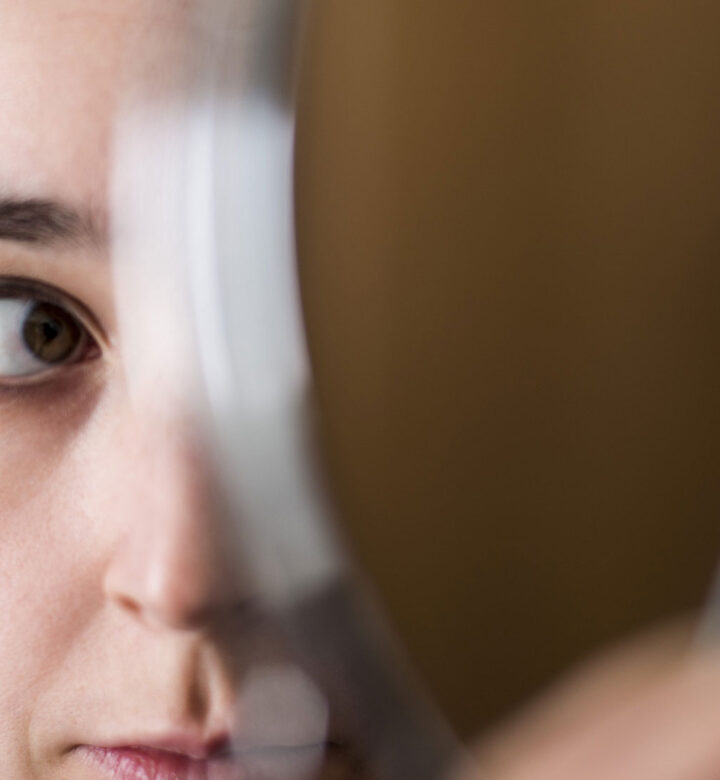
TikTok has given us plenty of things to worry about when it comes to our appearance. First, it was wrinkles, then facial volume loss, and now, apparently, our iron levels. The latest beauty concern making the rounds is something called ferritin face, a term used to describe dark under-eye circles, dull skin and a grayish, sallow complexion supposedly caused by low iron stores. As someone who actually suffers from low iron, I was immediately intrigued. Could my iron deficiency be affecting my face, too? And more importantly, could addressing it do more for my complexion than the countless brightening serums sitting in my bathroom?

As it turns out, there’s some truth to the trend. But before you start diagnosing yourself in the bathroom mirror or adding iron supplements to your daily routine, there are a few things doctors want you to know. I spoke with two experts to find out what low ferritin can actually do to your appearance, which symptoms deserve attention and why a blood test—not TikTok—is the best place to start.

Meet the Experts

  • Dr. Tiffany Lester is the Women’s Health Medical Director at Function, a health platform that provides comprehensive lab testing and personalized health insights. Her work focuses on preventive medicine, women’s health and understanding how biomarkers influence overall well-being.
  • Dr. Ivy London is a physician who provided expert insight into the relationship between iron stores, skin health, collagen production and the visible effects of iron deficiency.

What Exactly Is Ferritin?

Ferritin is a protein that stores iron in your body and releases it when needed. Iron is essential for producing hemoglobin, the protein in red blood cells responsible for carrying oxygen throughout your body. Without enough iron, your body struggles to perform important functions, like supporting healthy skin, hair and nails. “Your body draws from its iron stores first to support hemoglobin as long as it can, so ferritin levels can be low for months or years before anemia shows up on testing,” explains Dr. Lester. In other words, your standard bloodwork might look perfectly normal while your iron reserves are quietly running low. During that time, you might experience fatigue, difficulty concentrating, excessive hair shedding or other symptoms that are easy to dismiss as stress, aging or simply having too much on your plate.

Is Ferritin Face Actually Real?

For starters, ferritin face isn’t an official medical diagnosis. It’s a social media term used to describe physical changes that may accompany low iron stores. “Low ferritin doesn’t change face shape or bone structure, but it may affect one’s skin tone,” says Dr. Lester. “This may appear as a pale complexion that has lost some of its radiance. Or more visible dark circles due to paleness. ”

Dr. London agrees that iron deficiency can influence the appearance of your skin, explaining that iron plays an important role in cellular energy production, tissue oxygenation and processes involved in collagen synthesis. When iron levels are insufficient, the body prioritizes essential functions over less critical processes, which may contribute to changes in skin and hair health.

However, low iron doesn’t automatically mean your skin will look gray, your under-eyes will appear hollow or your face will age overnight. And although pallor, or paleness, is a recognized sign of iron deficiency, many of the more specific cosmetic changes attributed to ferritin face haven’t been established as reliable indicators of low ferritin. In fact, Dr. London cautions that people frequently mistake normal facial aging for iron-related changes.

“Sometimes people attribute depletion of the under-eye fat pads and skeletal changes in that area to iron deficiency,” she says. However, correcting iron levels won’t restore lost facial volume. Meaning, if your under-eyes have become more hollow with age, an iron supplement isn’t going to magically replace the fat pads you’ve lost.

What Are the Signs of Low Ferritin on Your Face?

According to the experts, several visible changes may accompany iron deficiency. However, none is specific enough to confirm low ferritin without bloodwork.

1. Pale or Dull-Looking Skin

One of the more established visible signs of iron deficiency anemia is pallor, particularly around the lips, gums and inner eyelids. Dr. Lester explains that a pale complexion may also make the skin appear less radiant. However, skin dullness alone isn’t evidence of iron deficiency. Dehydration, inadequate sleep and other medical conditions can produce similar changes.

2. More Noticeable Dark Circles

According to Dr. Lester, paleness associated with iron deficiency may make existing dark circles appear more prominent. But dark circles could be a symptom from genetics, pigmentation, allergies, and even facial anatomy. So, while low iron may be part of the picture for some people, it’s unlikely to explain every shadow beneath your eyes.

3. Thinning Hair and Increased Shedding

If you’ve noticed more hair collecting in your shower drain, low iron stores could be one possible explanation. Iron plays a role in normal hair follicle function, and iron deficiency has been associated with certain types of hair shedding. Dr. Lester notes that women may experience increased shedding even before their hemoglobin drops enough to meet the criteria for anemia. That said, hair loss has numerous potential causes, including hormonal changes, thyroid disorders, stress and genetics.

4. Brittle Nails and Cracked Corners of the Mouth

Dr. London identifies brittle nails, pale lips and angular cheilitis (cracking at the corners of the mouth) as possible signs. Of course, these symptoms can occur for other reasons, too.

What Ferritin Level Is Considered Too Low?

Ferritin is measured in nanograms per milliliter (ng/mL), and the reference ranges vary depending on the laboratory. “Some labs set the lower limit for women at 10 to 15 ng/mL,” says Dr. Lester. “Many experts consider under 30 a sign of iron deficiency.”

She explains that interpretation becomes more difficult when inflammation is present because ferritin can increase as part of the body’s inflammatory response, potentially masking depleted iron stores. Dr. London describes a ferritin range of approximately 50 to 70 ng/mL as a potential target in certain clinical contexts, particularly when evaluating symptoms involving hair and skin.

However, it’s important to understand that there is no universally established optimal ferritin level for beauty, collagen production or skin radiance. A level that warrants treatment depends on your symptoms, medical history, other laboratory results and the underlying cause.

Should You Start Taking Iron Supplements If You Think You Have Ferritin Face?

Social media has a way of turning legitimate health concerns into opportunities to sell supplements. And while iron supplements can be extremely helpful for people with a confirmed deficiency, taking them unnecessarily isn’t harmless. Too much iron can cause nausea, constipation and abdominal pain. Excessive iron intake can also be toxic and, in some circumstances, contribute to organ damage. Dr. Lester emphasizes that identifying the underlying cause of low ferritin is just as important as correcting the number. “If heavy periods or poor absorption are driving it, supplementing alone doesn’t fix the root cause,” she says. In other words, you need to understand why your iron stores are depleted before deciding how to treat them.

What Blood Tests Should You Ask Your Doctor For?

If you’re experiencing unexplained fatigue, increased hair shedding, changes in your complexion or other symptoms that make you suspect low iron, start by making an appointment with your doctor. Dr. Lester recommends discussing a combination of tests rather than relying exclusively on ferritin. These may include: ferritin, complete blood count (which is standard in your routine bloodwork), serum iron, total iron-binding capacity, and transferrin saturation.

The Bottom Line

I’m all for a beauty trend that encouraged women to pay closer attention to their health. And as someone who deals with low iron herself, I appreciate that ferritin is finally getting some attention beyond the occasional conversation about fatigue.

But I also think we need to be careful about turning every perceived imperfection into a potential medical diagnosis. Dark circles don’t automatically mean you’re iron deficient. Dull skin isn’t necessarily a warning sign. And looking tired doesn’t mean you need to add another supplement to your morning routine. But, I do encourage more informed conversations with your doctor, particularly if you’re experiencing symptoms that extend beyond your appearance.

We Don’t Know What Aging Looks Like Anymore


Deena Headshot

Deena Campbell

Fashion and Beauty Director-at-Large

  • Oversees fashion and beauty content. 
  • Former Beauty Director at Marie Claire; editorial lead at Allure, Essence, and L’Oréal-owned beauty platforms
  • Advocate for inclusive storytelling in style, beauty, and wellness