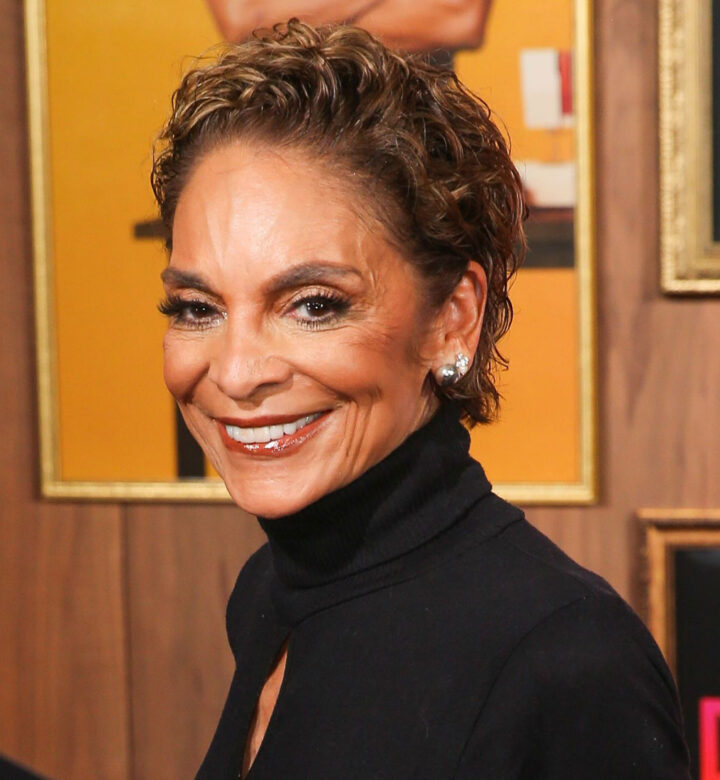
Last week, two women in their 60s and 70s made headlines for their faces. Vera Wang, aged 77, posted a makeup-free selfie from bed while home sick. The photos quickly became a story because Wang looked, as she so often does, remarkably youthful. Around the same time, Jasmine Guy was having a very different experience. The 64-year-old actress had returned as Whitley Gilbert in A Different World, nearly four decades after she first played the character. Instead of simply celebrating her return, parts of the internet began dissecting her appearance. Guy eventually responded to what she described as “brutal” commentary about how she had aged.
These women received two different reactions. And yet, I think they’re part of the exact same story. We don’t know what aging looks like anymore. To be clear, I don’t mean that in the judgmental, everyone-has-too-much-filler way. I’m a beauty editor, I like my Botox. What a woman chooses to do with her face is her business. But I think we’ve reached a strange cultural moment where the faces we see most often are making it increasingly difficult to recognize what 50, 60 or 70 actually looks like.
Think about the older women who dominate pop culture right now. They often have access to the best dermatologists, cosmetic surgeons, aestheticians, trainers, hairstylists and makeup artists money can buy. Then we see them professionally lit, professionally made up, photographed from flattering angles and even viewed through a screen where filters and editing have become so commonplace we don’t always realize we’re looking at them. And those faces become our reference points.