The Best Sleep Supplements, According to Experts

And reviewers weigh in on what works

PureWow editors select every item that appears on this page, and some items may be gifted to us. Additionally, PureWow may earn compensation through affiliate links within the story. All prices are accurate upon date of publish. You can learn more about the affiliate process here.

best-sleep-supplements
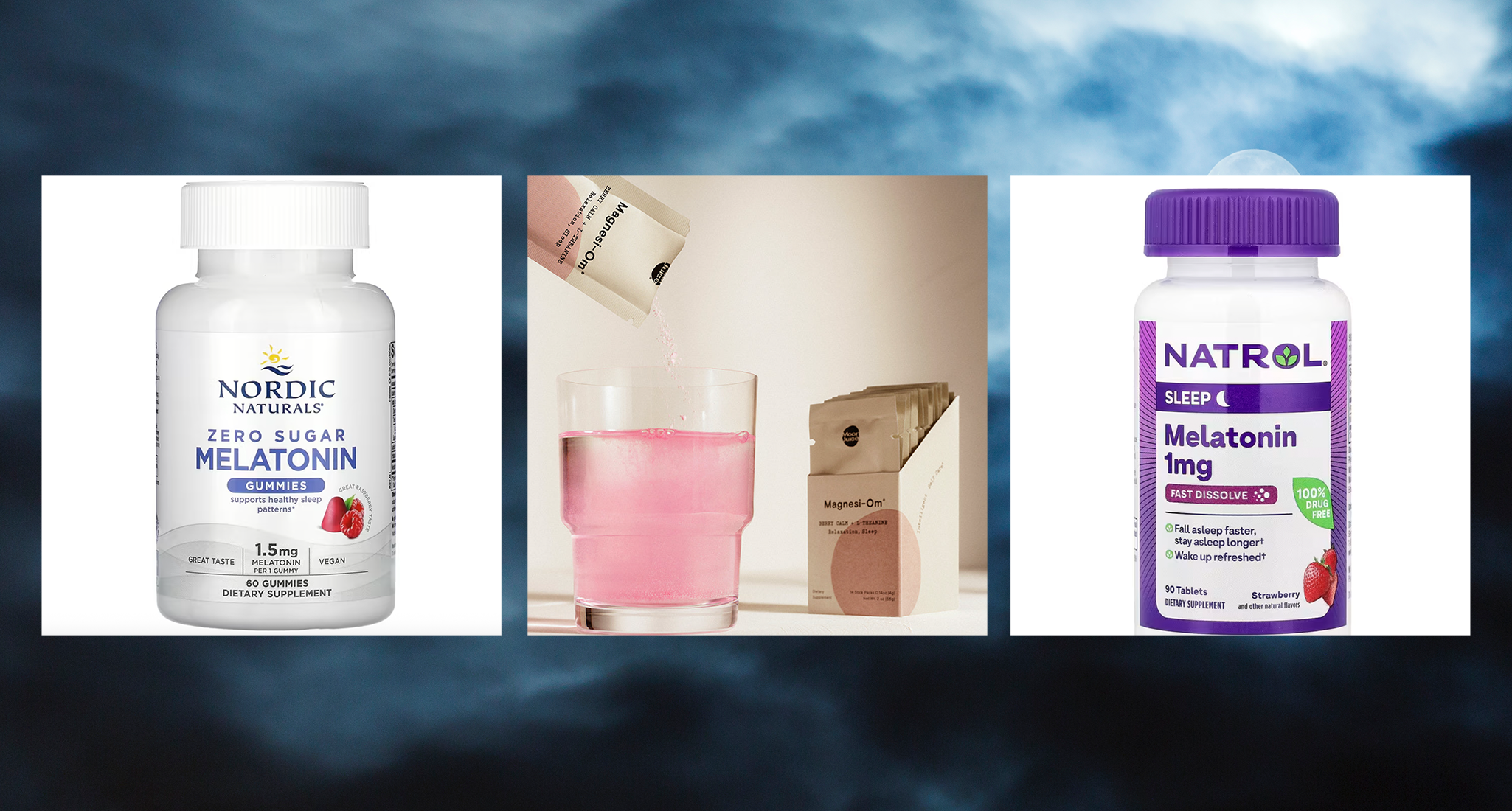
getty images/nordic naturals/moon juice/natrol

According to the National Institutes of Health, one in three adults don’t get the amount of sleep they need. Chances are, you knew that already—that’s right, I see you yawning, or anxious about getting to bed early enough, or just wired from that coffee you drank during your afternoon lull.

Sleep supplements can help you finally rest, but with so many products, formulas and active ingredients available today, which one is right for you? And what’s total BS? I asked leading sleep doctors to explain what to look for and what to avoid in supplements available without a prescription. Based on their insights, I researched the top brands to see what fit their criteria, then vetted them based on reviews to cull the best options on the market right now.

Meet the Experts

  • Alex Dimitriu, MD is dual board-certified in psychiatry and sleep medicine and serves as a medical reviewer for the Sleep Foundation and Business Insider. He is a contributing author to The Encyclopedia of Sleep Medicine
  • Abul Matin, MD is an internal medicine physician at Sleep Disorders Center of Georgia. He is board-certified in Internal Medicine, Pulmonary Medicine and Sleep Medicine, and special interests include the interplay of sleep and pregnancy, metabolic syndrome, heart disease and psychiatric disorders.

The Best Sleep Supplements at a Glance

1

Magnesium-Om Berry Sticks

read more

2

Thorne, Melaton-3, 60 Capsules

read more

3

Peak Performance USDA Organic Valerian Root Liquid Drops

read more

4

Natrol Melatonin Gummies, 5MG

read more

5

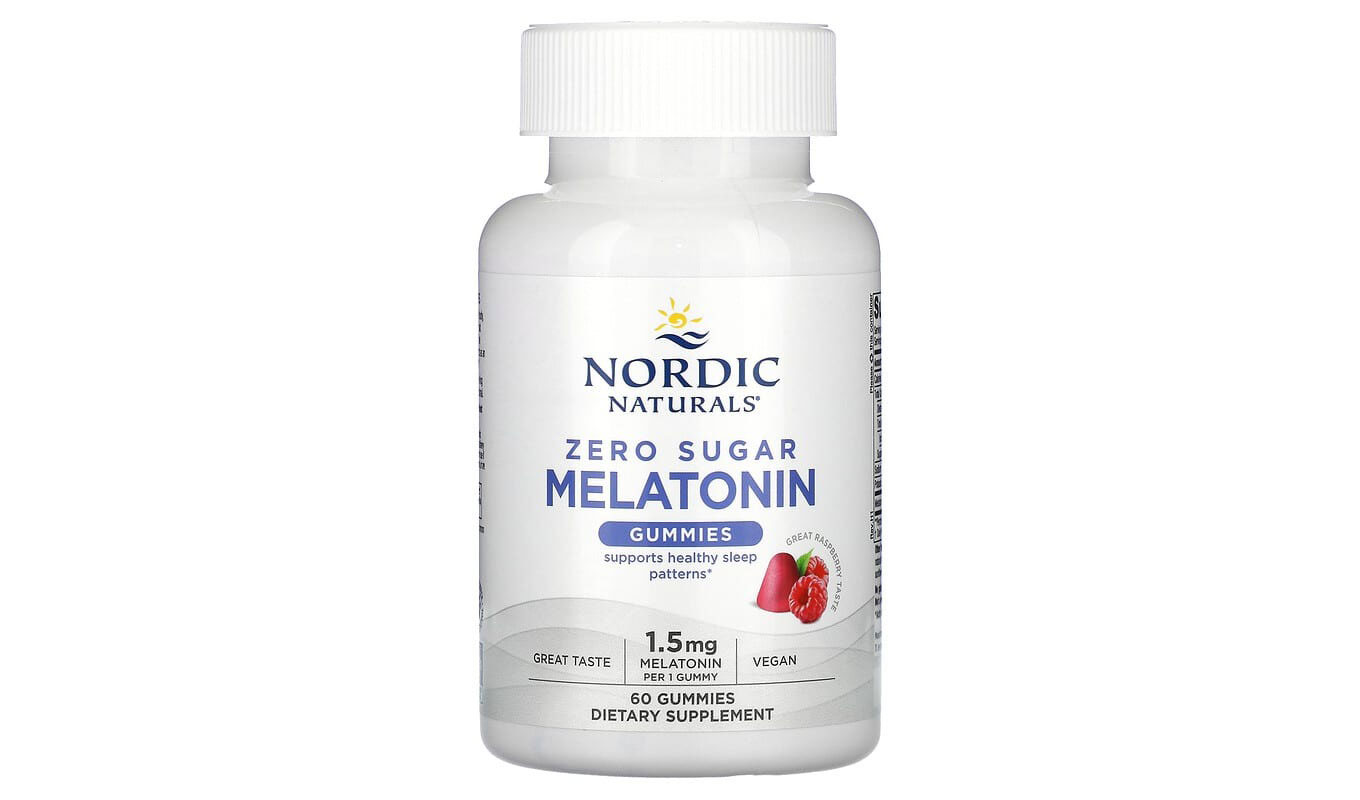
Nordic Naturals Zero Sugar Melatonin Gummies

read more

Show More

Do Sleep Supplements Really Work?

“Nearly one in five adults regularly utilize some sleep aid, either prescription or over-the-counter,” says Dr. Matin. Common dietary supplements include melatonin, magnesium and valerian root, as well as zinc, vitamin D and L-theanine. Matin confirms that lots of supplements have the potential to boost your sleep quality; however, the evidence from clinical trials varies widely. Dr. Dimitriu has a general rule-of-thumb for over-the-counter sleep supplements: “I look for products with a short, easy-to-understand ingredient list, third‑party testing and evidence‑supported doses (ex; low-dose melatonin, modest magnesium) rather than mysterious ‘proprietary blends.’”

Sleep Supplements to Avoid

Dimitriu recommends steering clear of supplements that come in “megadoses” or “multi‑ingredient ‘kitchen sink’ formulas,” and to avoid using any “in combination with other sedatives, alcohol or antihistamines.” Additionally, the doctor says that sleep-disordered clients should be cautious taking supplements when pregnant, with polypharmacy (that is, pairing with lots of other supplements or medication) or if you’re over 65 years old.

While there’s a wide range of ways to take sleep supplements (including pills, gummies, liquids, powders and sometimes patches or sprays), “oral forms are the most studied, and thus most reliable to me,” Dimitriu says, “while transdermal or spray routes have far less data.”

The Top Sleep Supplement Ingredients (and How They Work)

1. Melatonin

“Melatonin has the best evidence for circadian-related issues like jet lag or delayed sleep phase,” Dimitriu says. “It can modestly help shorten sleep‑onset latency, and effects on chronic insomnia are small but real in many trials.” Matin points out that melatonin, a hormone produced naturally in the body by the pineal gland, plays a critical role in regulation of the sleep-wake cycle. “Melatonin supplementation has been promoted for shift workers in particular,” he says, “who have irregular sleep-wake schedules due to working at night.” Side effects to watch for include next‑day drowsiness, dizziness, headaches, potential balance and fall risk in older adults—and emerging concerns with long‑term, higher‑dose use (a possible heart‑failure signal in observational data). “Typical adult doses are .5 to 5 milligrams 30 to 90 minutes before bed,” Dimitriu says. “Higher dosage isn’t clearly better, and do not expect this, or any of these supplements, to be a ‘knock-out pill.’ Sleep hygiene [aka good sleep habits] still matters a lot.”

2. Magnesium

Magnesium is likely one of the more widely utilized dietary supplements for sleep promotion, according to Matin. “With regards to sleep, magnesium has a number of essential functions that include regulation of gamma-aminobutyric acid (GABA), which can have calming effects on the nervous system; increases in melatonin production; muscle relaxation; regulation of stress responses; regulation of calcium levels which promote muscle contraction and relaxation and anti-anxiety effects. Furthermore, low magnesium status has been associated with chronic inflammatory stress in both animal and human research studies,” he says. Even though we get magnesium from foods like nuts and seeds, legumes and beans, whole grains, green leafy vegetables and salmon, let’s be real—who among us really can be sure they’re maintaining a nutrient-rich diet? So, you might benefit from magnesium supplements.

“Despite its popularity, there seem to be few clinical benefits to magnesium supplementation among individuals with adequate serum magnesium,” Matin says. But I can personally attest to the sedative effects of magnesium citrate, magnesium glycinate, or magnesium bisglycinate in an evening wind-down herbal tea. “Common sleep‑study doses are around 250 mg elemental magnesium in the evening (often as citrate, glycinate or bisglycinate),” Dimitriu says. “The main side effects are diarrhea or cramping, and it should be used cautiously in significant kidney disease. Magnesium threonate may be particularly better in getting to the brain, and may also contribute to neuroplasticity and neurogenesis, the growth of new neurons.”

3. Valerian

Valerian has mixed evidence, according to Dimitriu. “Some trials and meta-analyses report improved sleep quality and reduced sleep latency,” he says, “but results are inconsistent enough that the American Academy of Sleep Medicine does not recommend it for chronic insomnia. It appears to enhance GABA-ergic tone and may slightly increase slow‑wave sleep.” Doses range from 300 to 600 milligrams of valerian extract taken about an hour before bed; side effects can include headache, dizziness, GI upset, dry mouth, morning grogginess, rare hepatotoxicity and additive sedation with other sedatives.

The Best Sleep Supplements to Consider

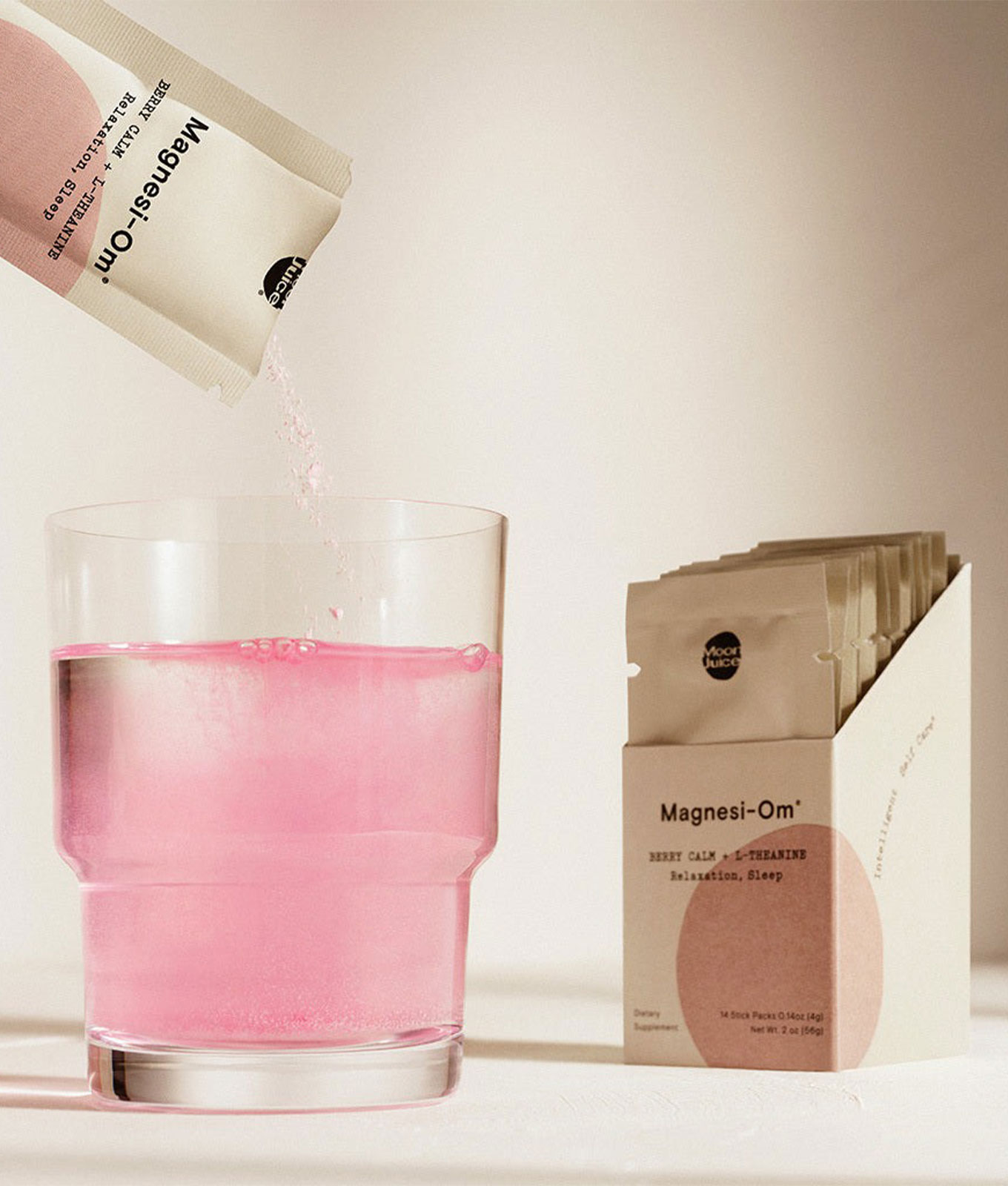
  • Active Ingredients: Magnesium Gluconate, Acetyl Taurinate and Citrate, L-Theanine

I keep a handful of these little single-serve packets in my carry-on bag so that when I’m on a business trip, vacation or visiting family, I won’t be kept awake no matter how skewed the time zone or lumpy the pillow. The berry flavor has a little monk fruit for sweetness, and the touch of L-Theanine adaptogen takes the edge off, to ease me to sleep.

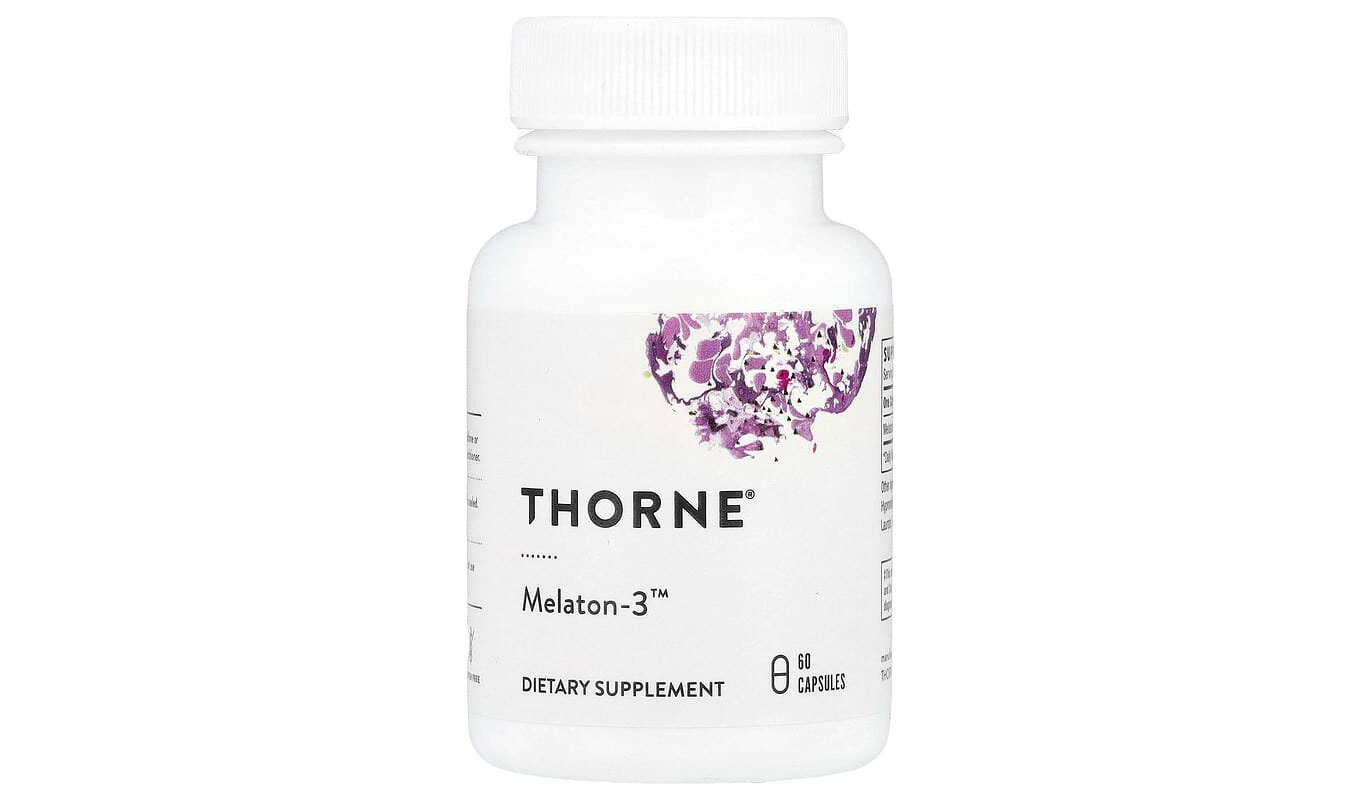
  • Active Ingredient: Melatonin

A 38-year-old woman with three young children writes that “this 3-milligram is the perfect amount to help me wind down. I take it an hour before bed, and as long as I don’t watch TV or go on my phone, I drift into a relaxed sleep and don’t wake up groggy at all—in fact ‘m up at 4:30 a.m. to get to Pilates every morning and have a ton of energy, no grogginess.”

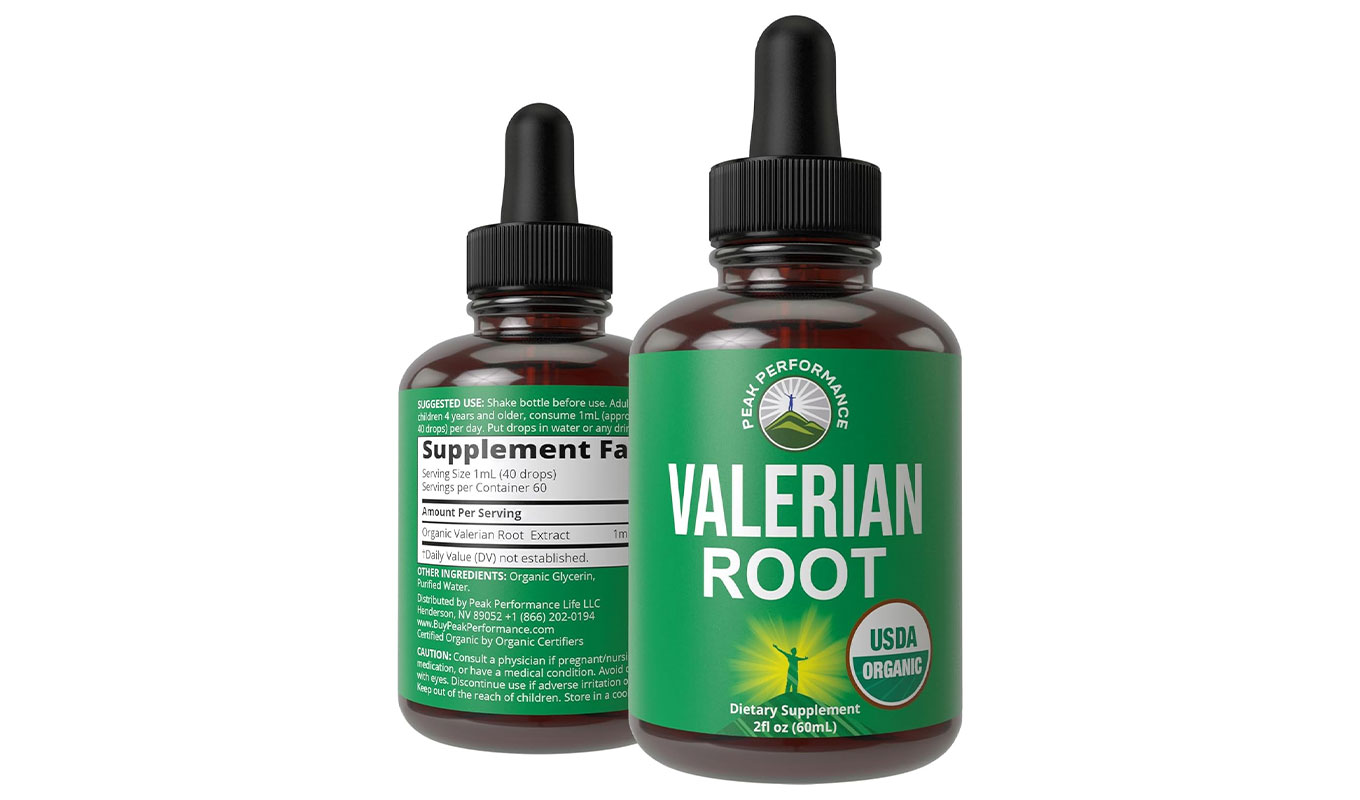
  • Active Ingredient: organic valerian root extract

“I take an hour before bedtime, and it seems to help me fall asleep quicker than if I forget to take it. It's an extract, but not very strong tasting like some extracts are,” says reviewer Wendy Barker. The recommended dosage is two droppers’ full right into your mouth (it’s got a mild raspberry-like flavor) or dissolved in a glass of water.

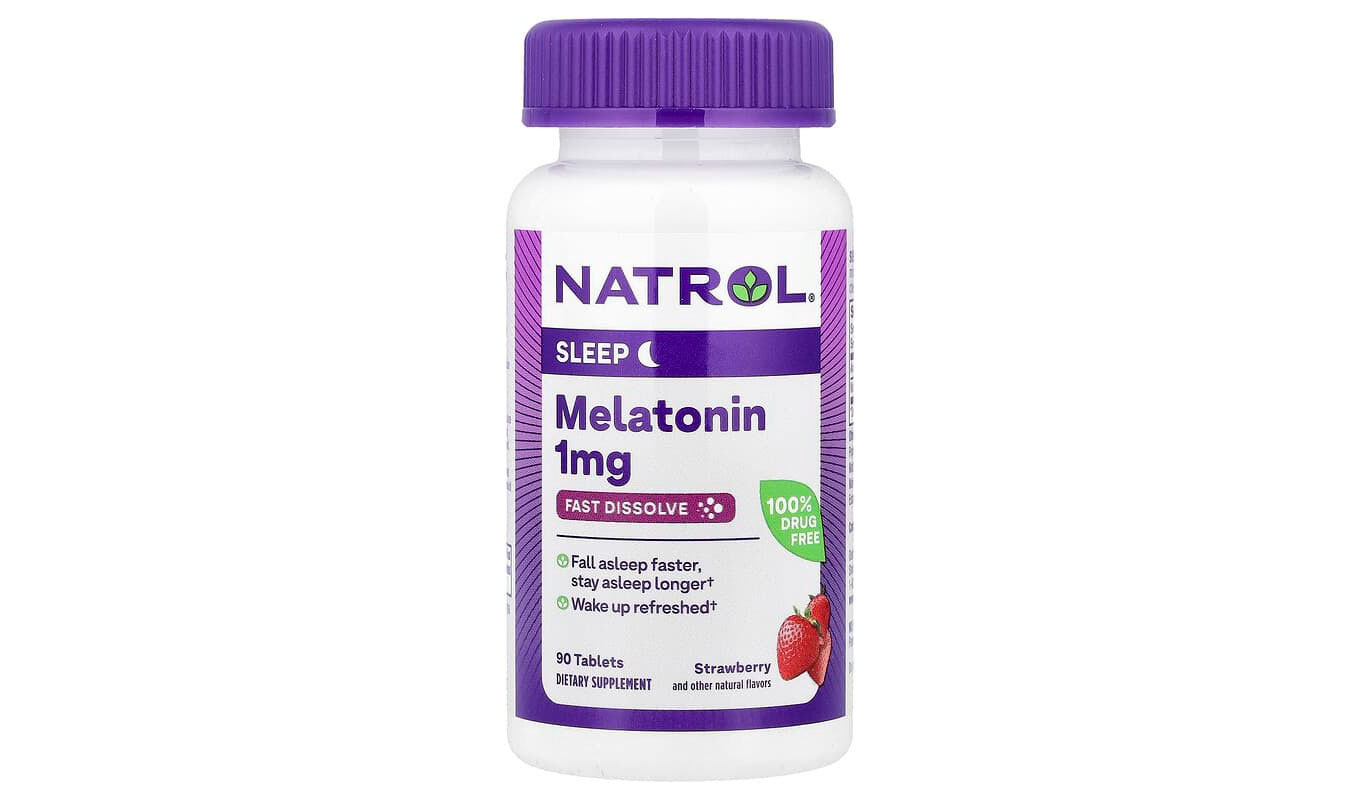
  • Active Ingredient: Melatonin

This reviewer says it all: “My husband and I take melatonin every night. We usually take pills as gummies usually are made of animal-based gelatine. Natrol's are gelatine-free, so we gave it a try, although we were a bit skeptical. We were extremely surprised how tasty the gummy was—really delicious! We had to keep reminding ourselves that gummy was melatonin, otherwise we could have easily grabbed more!”

  • Active Ingredient: Melatonin

This gummy is notable for what it doesn’t have—no sugar, and no high dosage of melatonin, so it’s great for newbies or people who are especially sensitive to supplements.  ”These taste incredible, like having candy before bed,” writes reviewer Molly. “I have tried a million supplements, but I truly am so happy I tried these and plan to keep using them. I love that these gummies are only 1.5 mg because anything more than 3-5 is way too high (and IMO, even 5 is too high). 

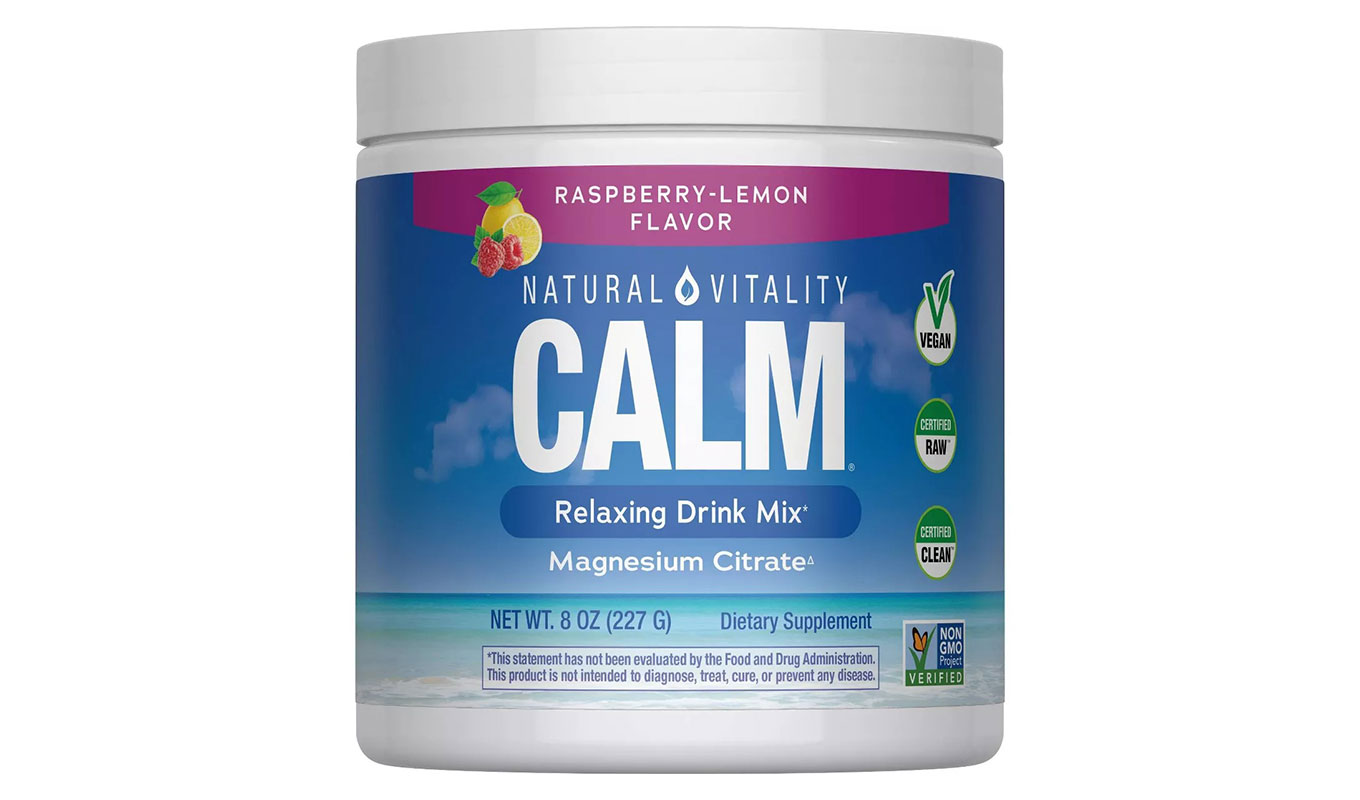
  • Active Ingredient: Magnesium Citrate

I’m so dependent on this fizzy powder as my bedside sleep aid, I just look at the label and begin yawning. The berry-lemon taste is light and pleasant, especially when I dissolve a teaspoon in mint tea with honey. A half-hour after imbibing, I feel a whole-body relaxation and heaviness. I sleep through the night, and wake refreshed and not groggy…but if I miss a night or two, I don’t find myself lying awake in withdrawal.


dana dickey

Senior Editor

  • Writes about fashion, wellness, relationships and travel
  • Studied journalism at the University of Florida