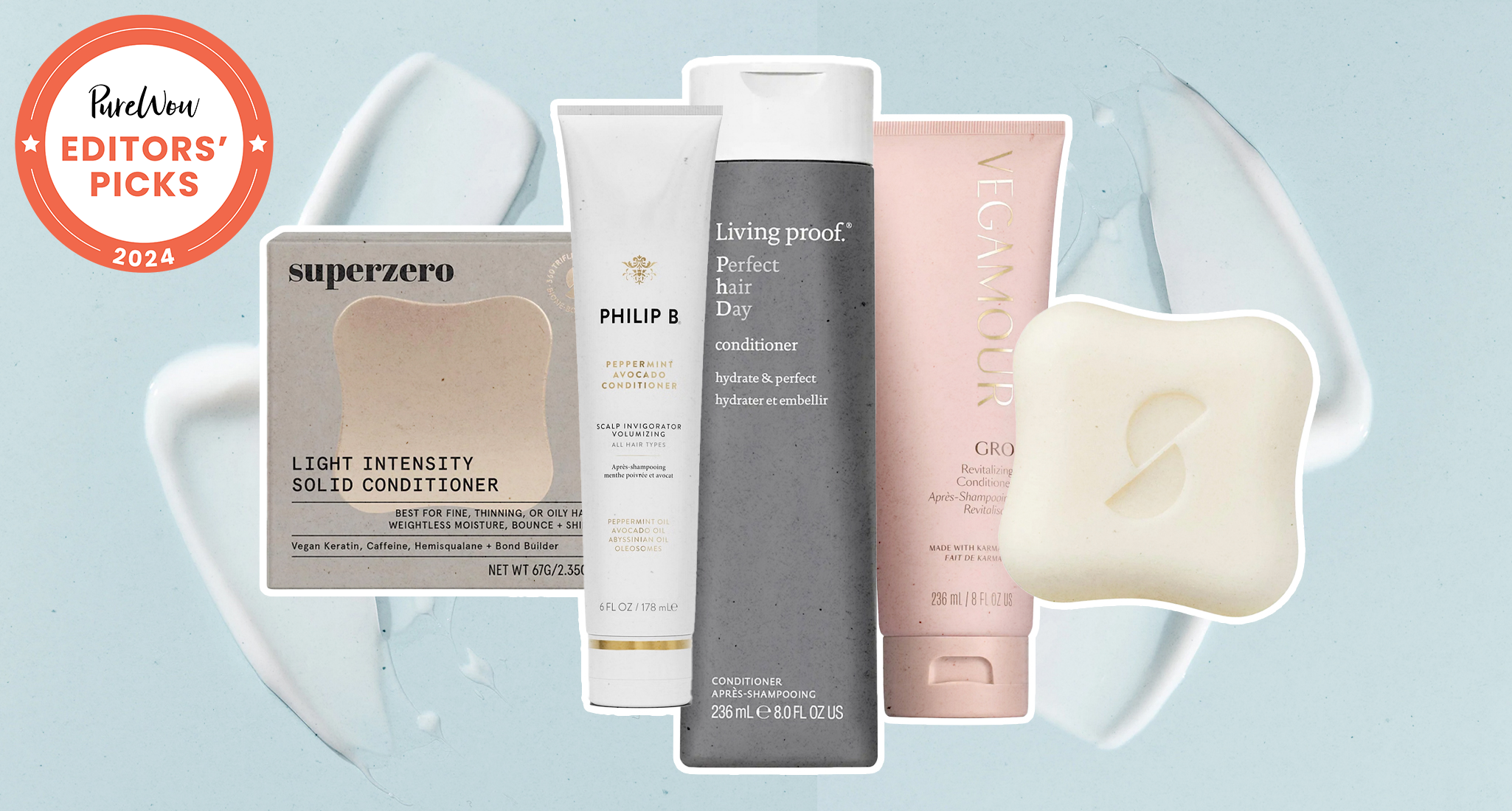
While there are many factors that cause an oily scalp (i.e. genetics, stress and styling habits), there are simple ways to manage it—starting with finding the right products. Now, it’s easy to pick up the first bottle you see in the bath aisles, but keep in mind that some contain harsh ingredients like sulfates and silicones that can make the problem worse. Luckily, my team has already covered the best shampoos for oily hair, so let’s focus on conditioner now. Whether you’re looking for the best-smelling formula like Briogeo Superfoods Control & Balancing Conditioner or interested in our best overall like Paul Mitchell Special Tea Tree Conditioner, I compiled the 11 best conditioners for oily hair.
The 11 Best Conditioners for Oily Hair, According to Editors and Experts
No greasy locks here.
•
Published Sep 24, 2024
PureWow editors select every item that appears on this page, and some items may be gifted to us. Additionally, PureWow may earn compensation through affiliate links within the story. All prices are accurate upon date of publish. You can learn more about the affiliate process here.
Dasha Burobina/PureWow
The Best Conditioners for Oily Hair at a Glance
1
Best Overall
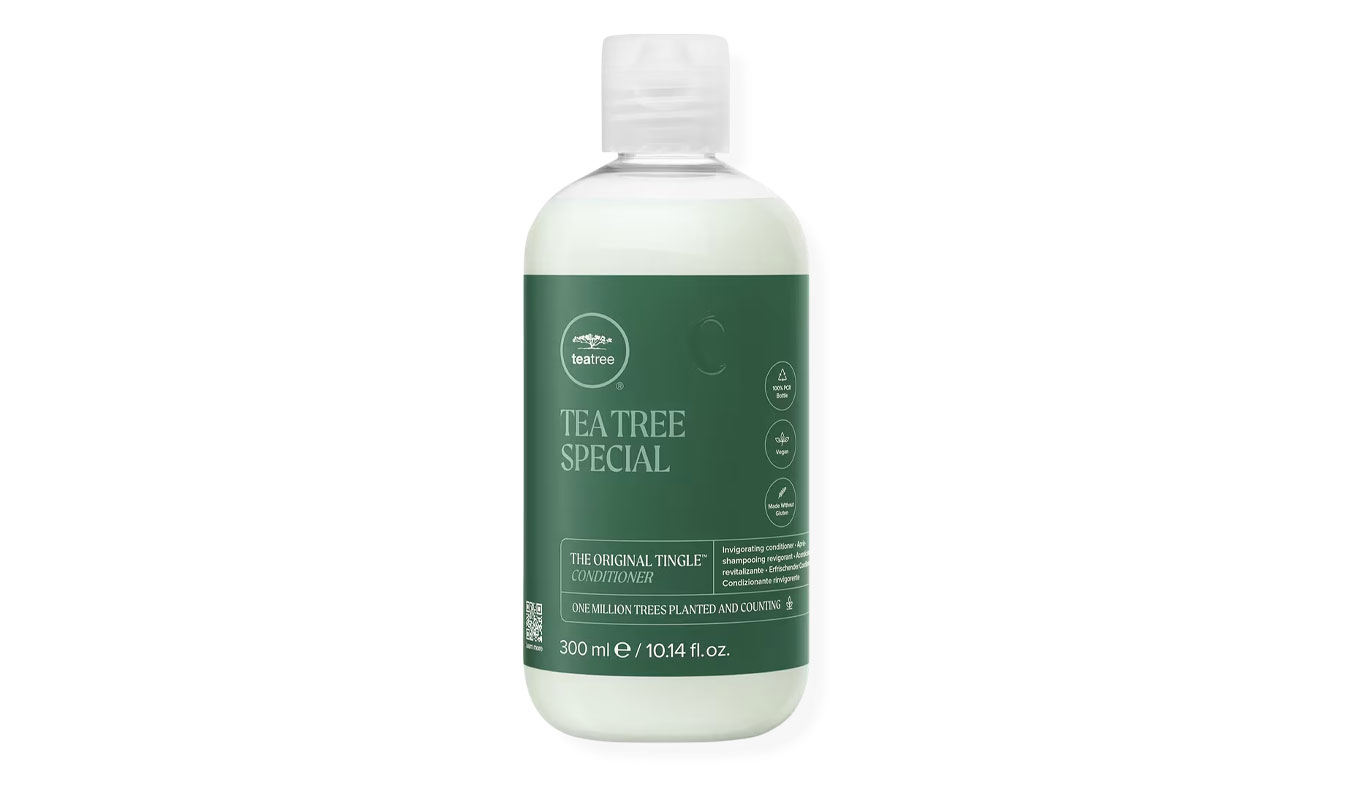
Paul Mitchell Special Tea Tree Conditioner
read more
2
Best Conditioner Bar
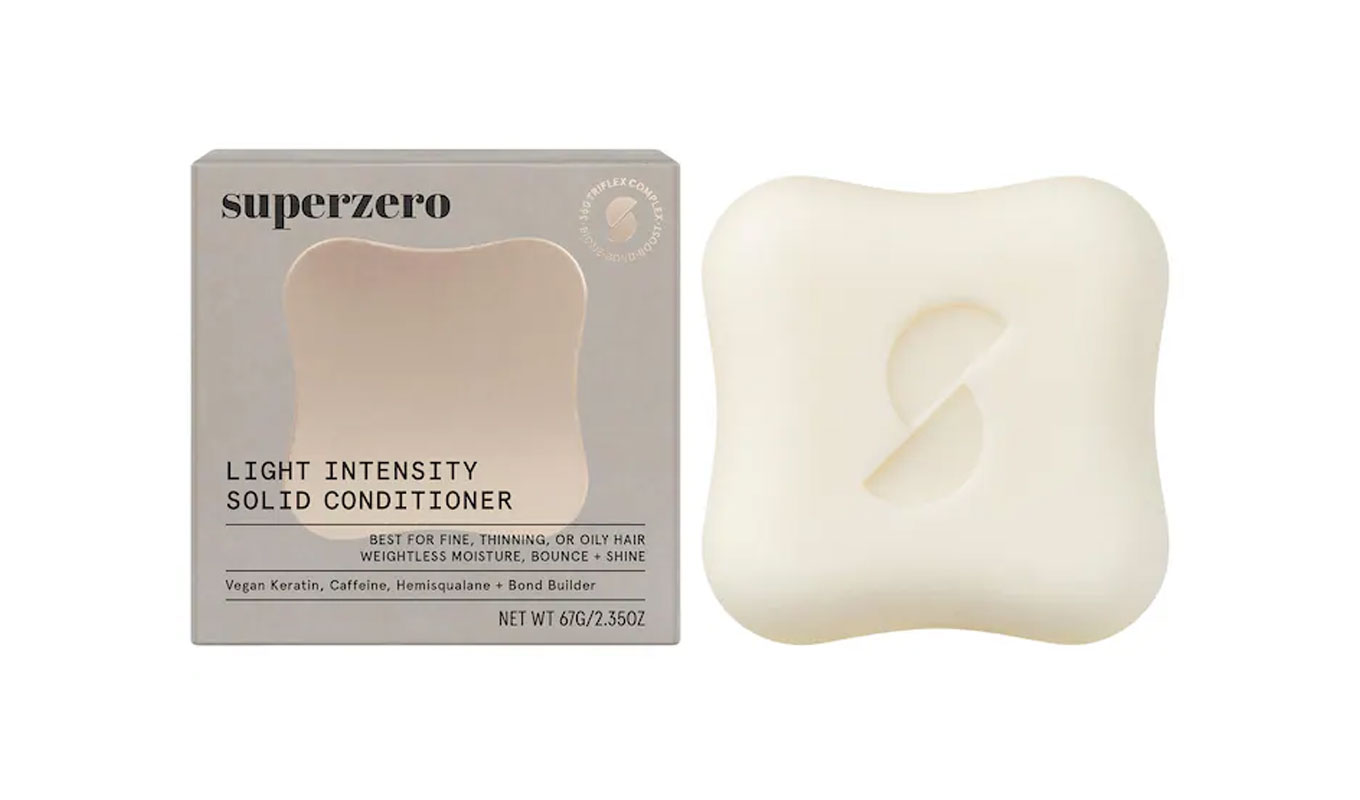
Superzero Light Intensity Solid Conditioner
read more
3
Best for Fine Hair
Vegamour GRO Revitalizing Conditioner
read more
4
Best Scent
Briogeo Superfoods Control & Balancing Conditioner
read more
5
Best Cleansing Conditioner
WEN by Chaz Dean Summer Cleansing Conditioner
read more
Meet the Experts
- Philip B. is a scalp expert, celebrity hairstylist and founder of Philip B. Haircare. He has over 30 years of experience, having launched his first product—the Rejuvenating Oil Treatment—in 1992. He has worked with celebrities like Sharon Stone, Gwyneth Paltrow and Sandra Bullock.
- Rogério Cavalcante is a hairstylist and the owner of The Second Floor Salon in Soho. He has 17 years of experience, collaborating with brands such as L’Oréal Paris and working with publications such as Vogue and Elle Magazine.
- Dr. Hardik Doshi is a board-certified surgeon and hair restoration specialist at Ample. He specializes in hair loss and hair restoration, performing state-of-the-art hair transplants for his patients. His medical background includes Columbia Medical Center, Weill Cornell Medical Center and New York Presbyterian Hospital.
How I Chose the Best Conditioners for Oily Hair
I asked PureWow editors to share their favorite conditioners that tackle their oily hair. I also chatted with hairstylists and scalp experts, who provided product recommendations they use continuously on their clients. From there, I did a deeper dive into each product’s key ingredients, scent notes and reviews. The main goal was to find conditioners that control oil production, strengthen strands and prevent greasy hair. Keep reading to find out which ones made the cut.
Want more beauty tips sent right to your inbox? Subscribe here.
Best Overall
1. Paul Mitchell Special Tea Tree Conditioner
What We Like
- has a cooling sensation
- minty scent
- gentle formula
What We Don't Like
- some reviewers have experience dryness
Paul Mitchell
Loved by reviewers and experts alike, this is my overall pick for best conditioner for oily. Why? Well, having an oily scalp can lead to irritation, dandruff and greasy strands, so this Paul Mitchell conditioner tackles all those woes in one bottle. Ingredients like tea tree, peppermint and lavender oil refresh the scalp instantly and leave behind a cooling sensation. Plus, the botanical blend helps detangle, smooth and soften your hair.
Fast Facts
- Size: 10.1 oz
- Key Ingredients: tea tree oil
Best Conditioner Bar
2. Superzero Light Intensity Solid Conditioner
What We Like
- color safe
- contains clean ingredients
- great for fine/thin hair
What We Don't Like
- not suitable for thick/coarser hair
Superzero
If you’re looking for a more sustainable product, this conditioner bar should be on your radar. According to the brand, one bar is equivalent to two bottles of liquid conditioner—saving you money and time until you need to restock again. It’s formulated with vegan keratin and plant-derived hemisqualane, which promises to improve shine, add smoothness and tame frizz. You’ll also find caffeine extract to stimulate circulation and combat hair loss, along with bond-building technology to strengthen strands and reduce breakage. For Associate SEO Editor Marissa Wu, the conditioner has been a staple in her routine. “I love that they’re a clean brand with minimal and recyclable packaging. I found both the shampoo and conditioner bars were very effective and just as good as regular liquid conditioners. Yes, you need to get used to the idea of a solid form, but the conditioner is easy to apply, especially for fine, thin hair.”
Fast Facts
- Size: 2.35 oz
- Key Ingredients: vegan keratin, hemisqualane, bond builder, caffeine
Best for Fine Hair
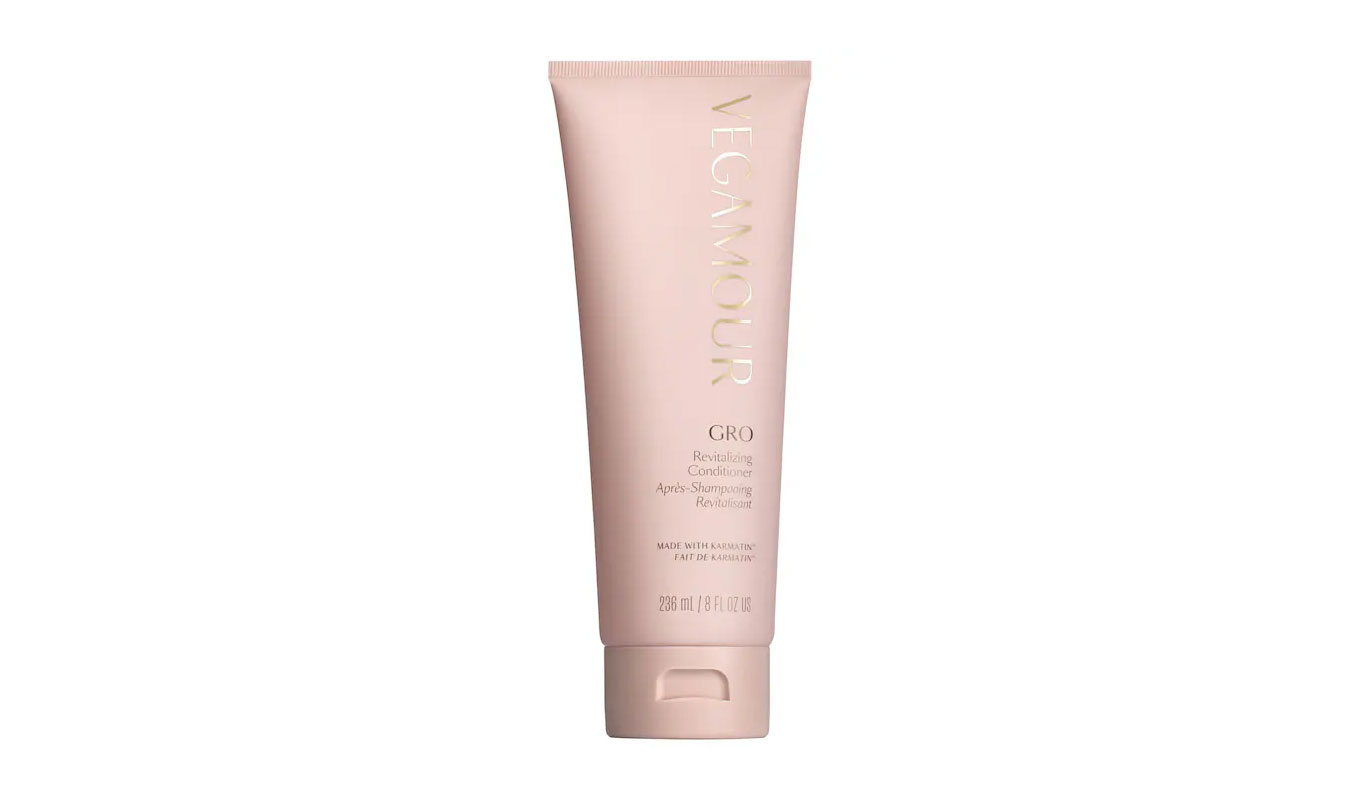
3. Vegamour GRO Revitalizing Conditioner
What We Like
- softens hair
- strengthens strands
- great for thin hair
What We Don't Like
- strong scent
Vegamour
Vegamour is a PW favorite and this revitalizing conditioner is on the top of the list. Thanks to its nourishing formula, this one is great for fine and thin hair. It contains karamatin, a vegan keratin alternative known to repair the hair cuticle and add shine for silky, smooth locks. The formula also includes red clover and mung bean to nourish the scalp and encourage thicker strands, as well as an oil blend that offers a boost of hydration. As Fashion Editor Abby Hepworth shares, “I really love Vegamour. My hair is very fine and gets oily quite quickly. While other conditioners definitely seem to speed up this process, Vegamour does not. It leaves my strands feeling moisturized and healthy without weighing them down.”
Fast Facts
- Size: 8 oz
- Key Ingredients: red clover, mung bean, marula oil, baobab oil, murumuru butter, karamatin
Best Scent
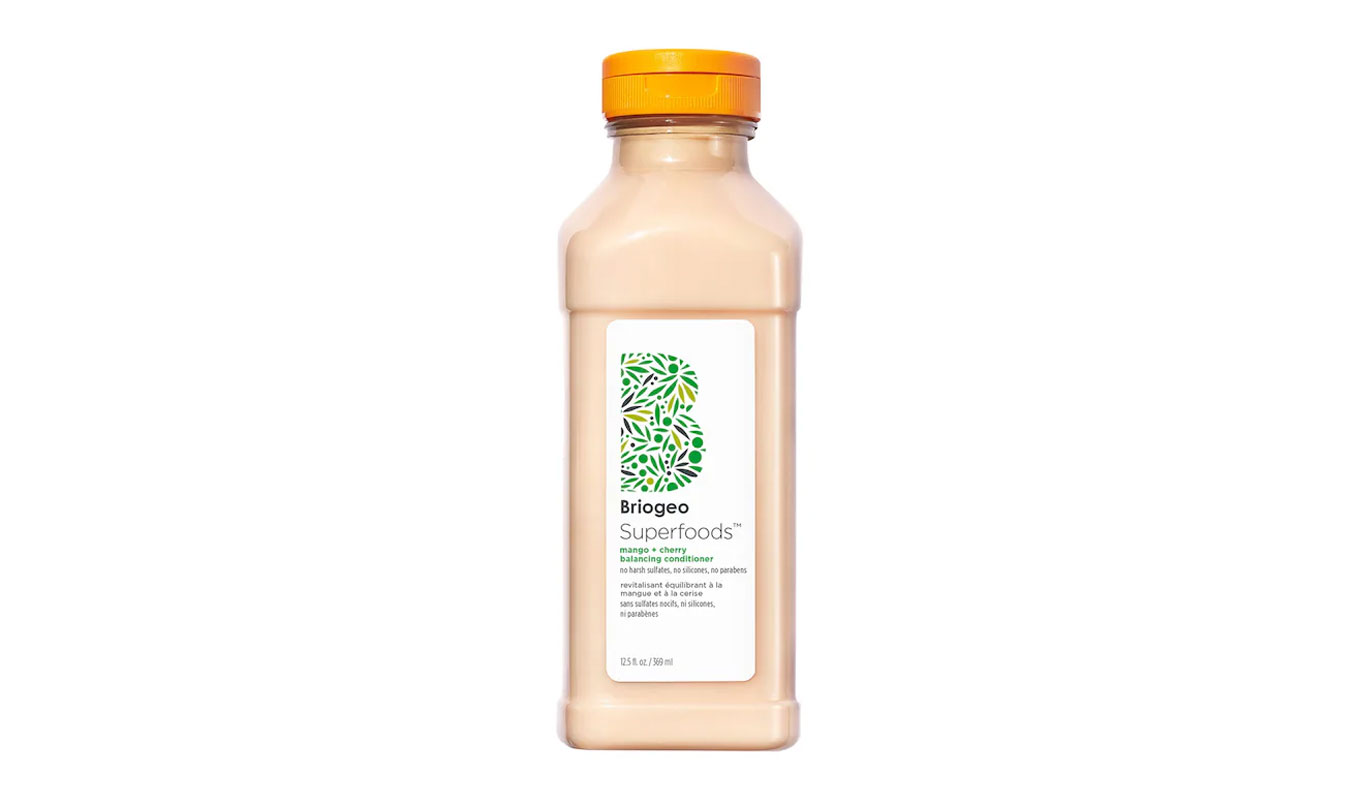
4. Briogeo Superfoods Control & Balancing Conditioner
What We Like
- color safe
- pleasant scent
- Black-owned
What We Don't Like
- small bottle
- pricey
Briogeo
I don’t know about you, but finding a conditioner that smells heavenly, while controlling oil production and moisturizing strands is the icing on the cake. Filled with vitamins and minerals from papaya enzymes, mango extracts and cherry extracts, this formula aims to keep your hair healthy, hydrated and grease-free. However it's the fruity fragrance that makes a great addition to showertime, according to Assistant Editor Delia Curtis. “I have really thick hair that has a tendency to get oily pretty quickly, particularly from sweating. It also doesn’t help that I have a bad habit of running my hands through my hair *all the time.* (I’m working on it!) But, what I have noticed is using Briogeo my hair takes longer to get oily in between washes. It has a nice, thick consistency, which makes my hair come back to a happy neutral sans excess oil—leaving it feeling balanced, refreshed and very healthy. It also has such a wonderful scent, like nothing I’ve smelled before. The combination of mango and cherry is unexpected and totally unique,” they say.
Fast Facts
- Size: 12.5 oz
- Key Ingredients: papaya enzymes, mango extract, cherry extract
Best Cleansing Conditioner
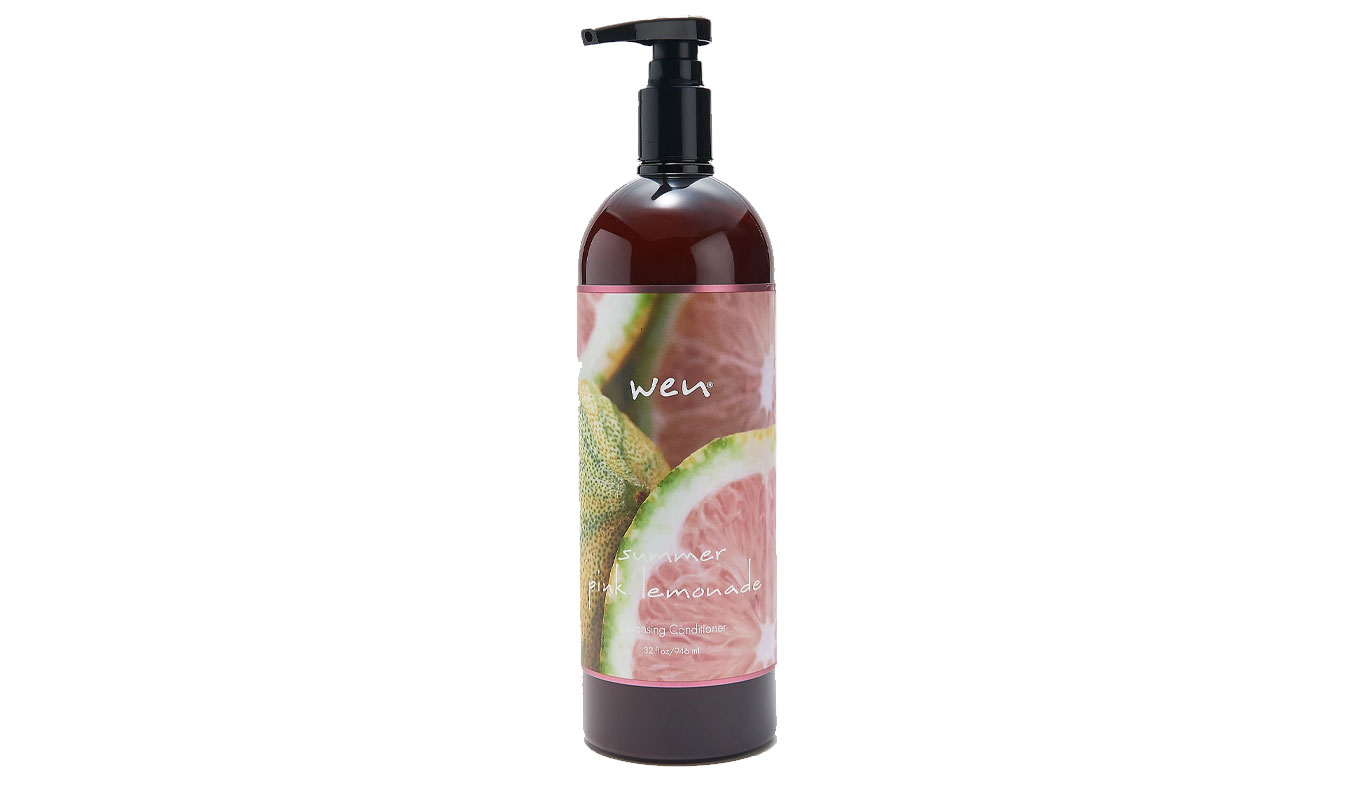
5. WEN by Chaz Dean Summer Cleansing Conditioner
What We Like
- pleasant scent
- moisturizing
- color safe
What We Don't Like
- not great for low density hair
WEN
This conditioner has one goal: to eliminate excess oils and improve the appearance of your hair without needing a shampoo. See, this cowash works to cleanse the scalp *and* condition strands at the same time. It has nourishing ingredients such as bamboo water, honey, aloe vera and coconut oil to target damaged areas and combat an oily scalp. Wu couldn’t recommend it enough saying, “This is super marvelous if you have drier ends/damaged hair from coloring because it's so rich and creamy. It's a cleansing conditioner so you don't need shampoo. I like applying it on my mid shafts and ends, especially if I'm trying to bring moisture back after heat styling.”
Fast Facts
- Size: 32 oz
- Key Ingredients: bamboo water, aloe vera, coconut oil
Most Customizable
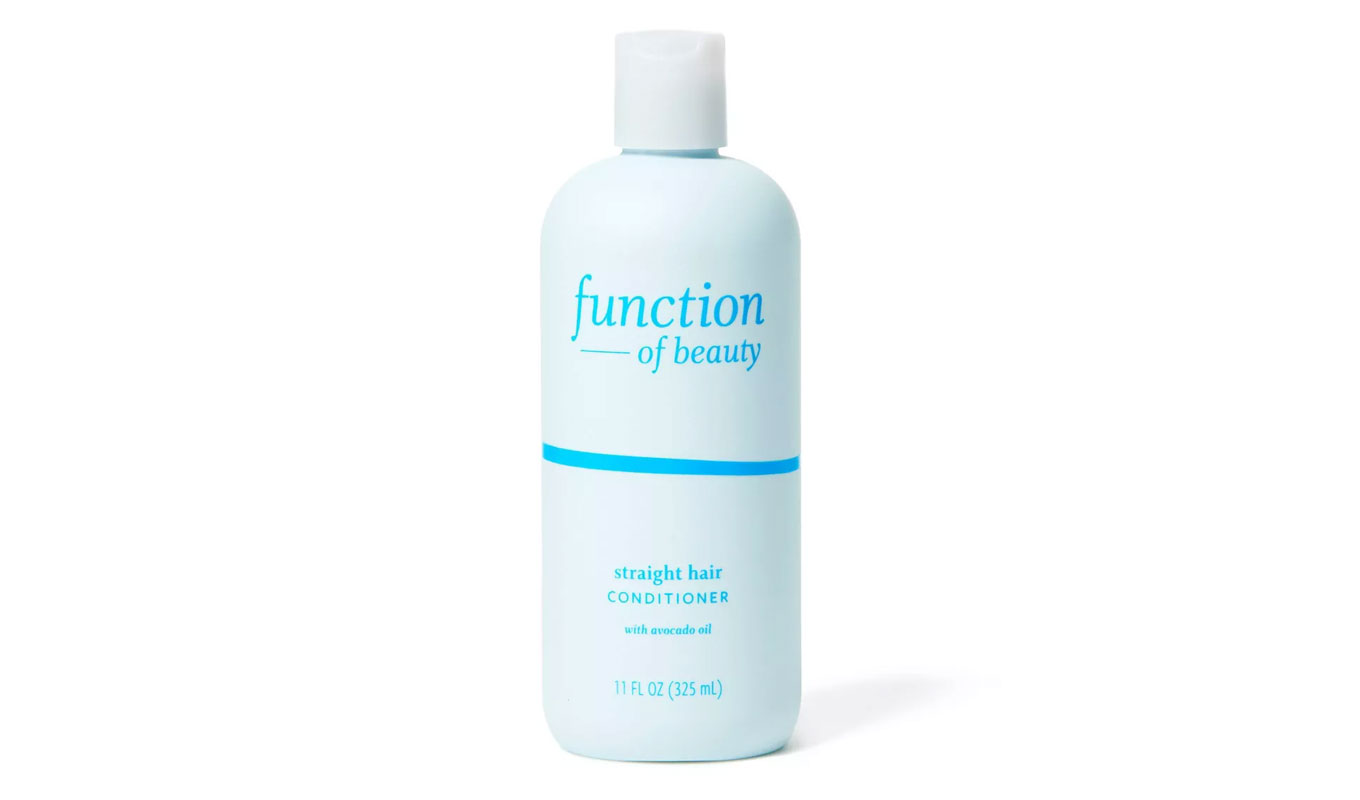
6. Function of Beauty Conditioner
What We Like
- great for straight hair
- pleasant scent
- customizable
What We Don't Like
- some reviewers have experience flakes
Function of Beauty
Function of Beauty is known for customizing your routine based on your hair type and texture, so it’s no surprise that their conditioner is an editor favorite. “This is one of the best off the shelf customized conditioners. It's affordable and you can dump in a ton of mix-ins to address various hair goals,” shares Wu. The conditioner is formulated with avocado oil to seal in moisture and maintain oil production. Like mentioned, the brand recommends truly making it your own by adding any of their booster shots like ‘The Shine Queen’ to boost natural shine or ‘The Frizz Genius’ to tackle frizz and flyaways.
Fast Facts
- Size: 11 oz
- Key Ingredients: avocado oil
Great for Itchy Scalp
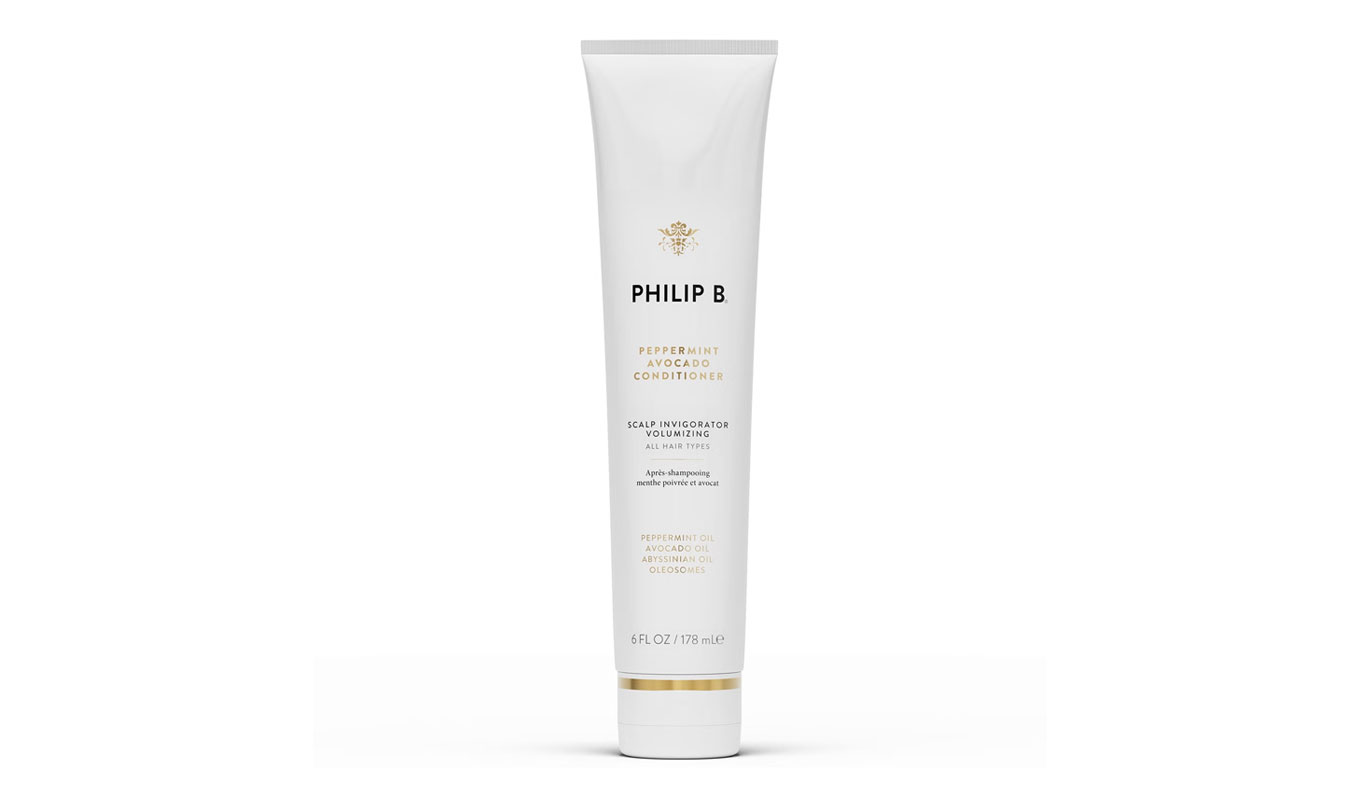
7. Philip B. Peppermint Avocado Conditioner
What We Like
- cooling sensation
- moisturizing
- improves shine
What We Don't Like
- pricey
Philip B
Founder Philip B suggests his conditioner to combat oily locks. If you’re dealing with an itchy scalp due to oil buildup, this blend has a tingly, cooling sensation to help soothe and calm the scalp. He shares, “My clients with oily scalps love to use both the shampoo and conditioner. The peppermint oil and menthol in the formula cleanse the scalp and helps keep greasiness at bay.” You’ll also find plant extracts (like safflower oleosomes) to condition and vitamin E to add bounce to limp strands. He recommends gently massaging the product, leaving it on for 3 to 5 minutes before rinsing it out.
Fast Facts
- Size: 6 oz
- Key Ingredients: avocado oil, peppermint oil
Best for Softness
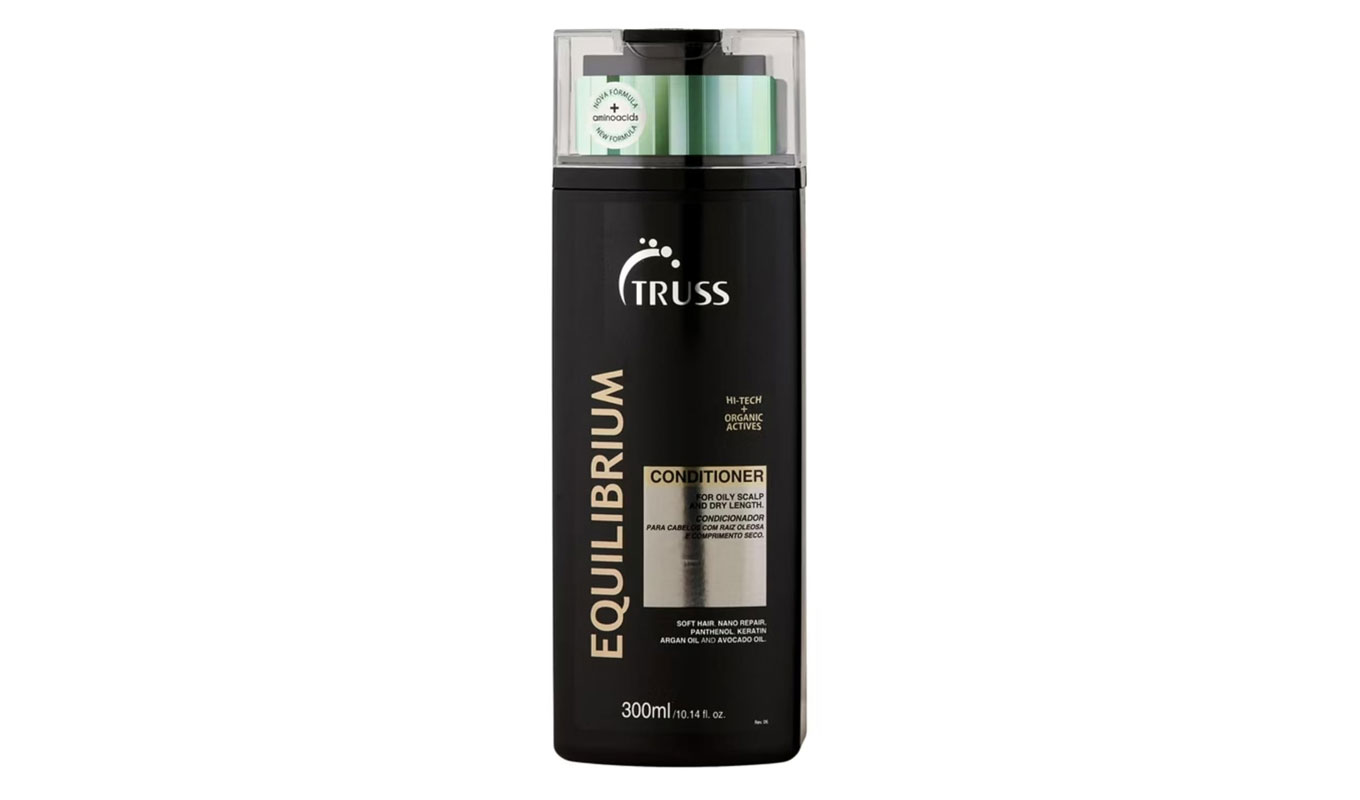
8. Truss Equilibrium Conditioner
What We Like
- adds softness
- pleasant scnet
- great for oily scalps
What We Don't Like
- finicky bottle
TRUSS
Salon owner Calvacante recommends this Truss Equilibrium conditioner to all his clients with oily and/or damaged hair. He shares, “It provides deep conditioning and repairs damage while managing oil levels. The formula helps restore balance to the scalp and improve hair health, making it suitable for those dealing with multiple hair issues.” The hydrating ingredients (i.e. amino acids and proteins) restore softness, repair split ends and target damaged strands, while components (like keratin and citric acid) combat an oily scalp. After shampooing, apply and let it sit for two minutes for the best results.
Fast Facts
- Size: 10.1 oz
- Key Ingredients: amino acids, proteins, keratin, citrus acid
Most Volumizing
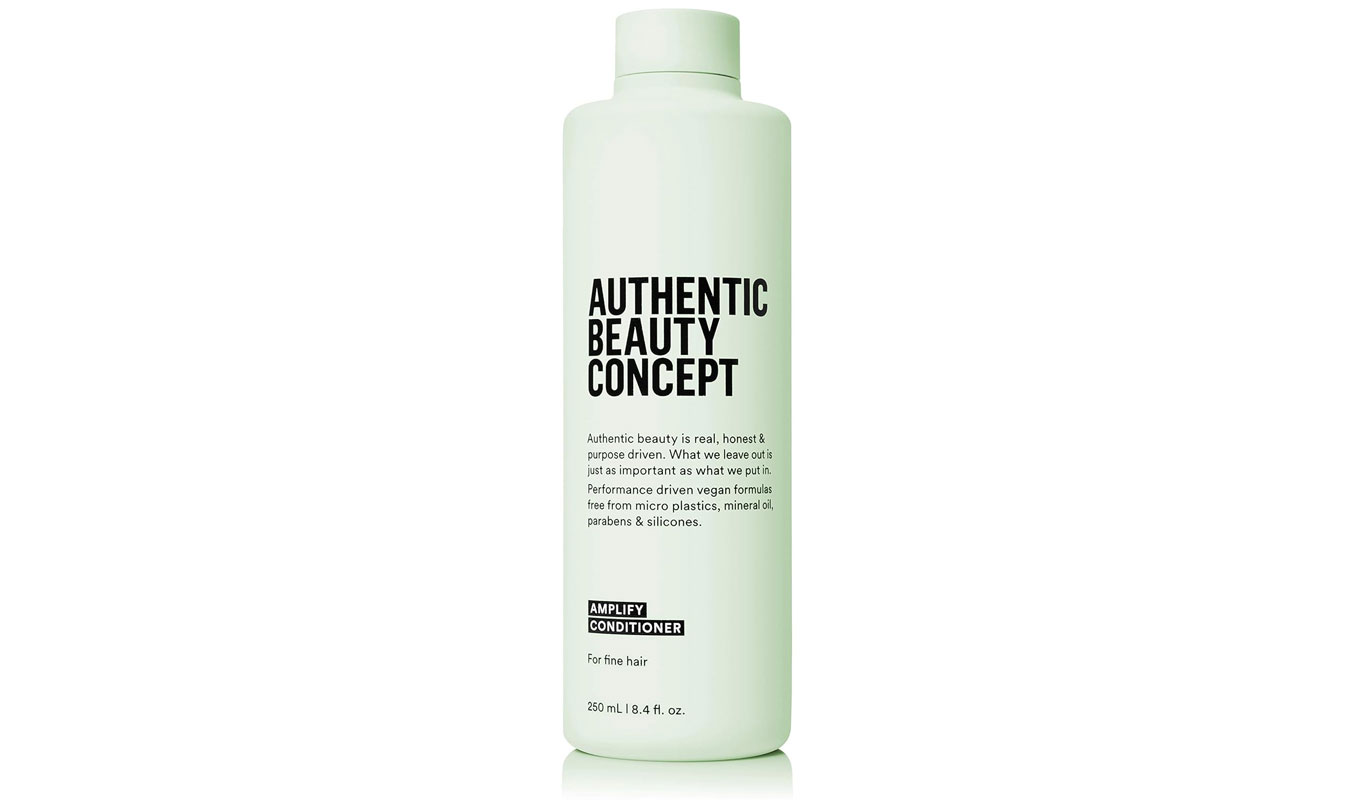
9. Authentic Beauty Concept Amplify Conditioner
What We Like
- great for fine hair
- improves volume
- hydrating ingredients
What We Don't Like
- thin consistency
Authentic Beauty Concept
Calvacante also suggests this nourishing conditioner to combat greasiness and add body back to limp locks. The formula has guar extract, a hair ingredient often used to help detangle and soften hair. There’s also green tea and lime extract to add volume and body. He adds, “This vegan conditioner focuses on amplifying volume while controlling oil. It provides lightweight hydration without weighing down your hair—plus, it’s effective for adding fullness to fine, oily hair and maintaining a fresh, non-greasy look.”
Fast Facts
- Size:
- Key Ingredients: green tea extract, lime extract
Best Budget
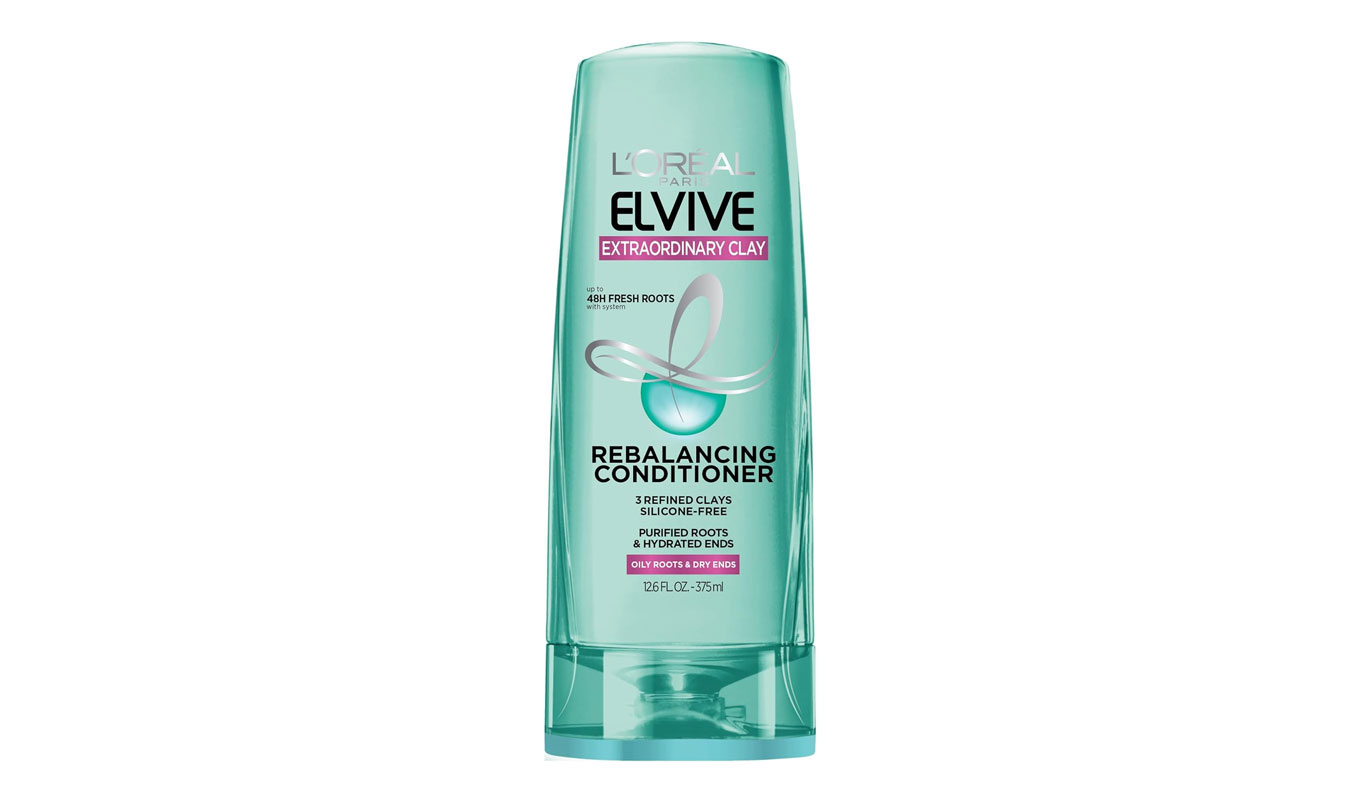
10. L’Oréal Paris Extraordinary Clay Conditioner
What We Like
- budget-friendly
- doctor-recommended
- color safe
What We Don't Like
- strong scent
L'Oreal
Dr. Doshi recommends this budget-friendly find that’s under $10 and gets the job done. The silicone-free formula is praised for its ability to balance an oily scalp. Formulated with three different refined clays to clarify greasy roots, it also keeps the ends hydrated until the next wash. One reviewer shared how it completely transformed her wash routine: “I wish I would have found this years ago! My hair is so oily that I can never go more than one day without washing. But after the first time using this product, my hair was noticeably less greasy! I've used it two or three more times and it's still working great. I'm so happy with it!”
Fast Facts
- Size: 12.5 oz
- Key Ingredients: refined clays
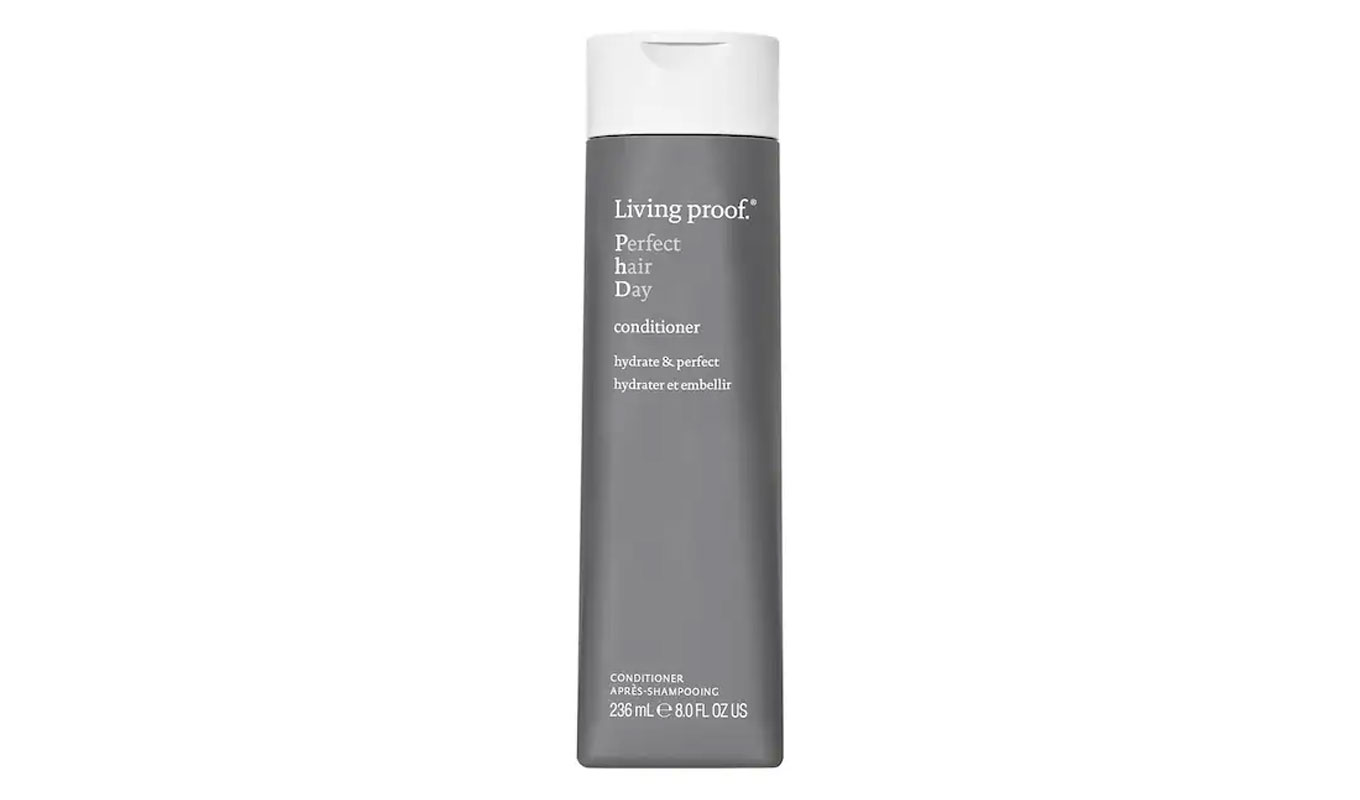
Hairstylist Approved
11. Living Proof Perfect Hair Day Conditioner
What We Like
- hydrating ingredients
- improves shine
- color safe
What We Don't Like
- not great for thick hair
If you’re familiar with Living Proof dry shampoo then you’re going to love their conditioner for your wash routine. Hairstylist Mitchell Ramazon selects this Perfect Hair Day pick for being super lightweight for strands and great with balancing oil production. Key ingredients include hemisqualane to help seal the cuticle, sugar beet derivative to hydrate strands and tame frizz, and ester (a carboxylic acid and an alcohol combo) that promises to detangle and improve gloss overtime.
Fast Facts
- Size: 8 oz
- Key Ingredients: hemisqualane, ester, sugar better derivative
How to Choose the Right Conditioner for Oily Hair
- Lightweight Formulas: The experts say lightweight and oil-free formulas are key to minimizing your search. Philip B. adds, “You want to avoid conditioners with heavy oils, silicones or butters, which can weigh down the hair and contribute to greasiness.”
- Ingredients: When searching for a conditioner for oily hair, you want to look for ingredients like clay, apple cider vinegar, tea tree oil and peppermint oil, which can cut through grease and build-ups without drying out the ends.
- Hair types: Take your hair type and texture into consideration. For some hair types like straight, fine or thin hair, washing your hair frequently may be the solution to combating oily locks. According to Philip B, you should consider washing your hair daily to keep it from looking greasy, flat and lifeless. As for thicker, coarser hair, continue to wash your 1-2 twice a week and stick with clarifying shampoos and a nourishing conditioner.
What Causes Oily Hair?
I asked the experts to share common reasons for dealing with oily hair and here’s what they told me:
- Genetics: The experts say genetics can play a huge role in oily hair. You can’t necessarily change this, but you can maintain it with a few helpful tips. (Don’t worry, I’ll get to that in a bit.)
- Hormonal changes: “Androgens such as testosterone are known to increase the secretion of oil in the body which explains why individuals often experience hair during puberty and hormonal stages like pregnancy and menopause. Women could also develop hair changes due to certain health conditions like polycystic ovary syndrome (PCOS) that disrupt hormonal balance leading to excessive oil production on the scalp,” explains Dr. Doshi.
- Diet: Processed foods, sugars and fats are just a few culprits that can increase oil production. Dr. Doshi notes, “The food you consume can impact your body and scalp health. Also not getting enough nutrients in your diet can produce an excess amount of oil to compensate for the deficiency.”
- Stress: Studies show your stress levels can disrupt your hormones and potentially result in an increased oil production.
- Environmental Factors: High levels of humidity, pollution and heat can be a huge factor in producing more oil.
- Improper Haircare Routine: Experts say heavy, oil-based products can contribute to oil build up, so consider finding lightweight products that won’t weigh down your locks and lead to excess oil production. Also overwashing can also contribute to oily strands. As Cavalcante shares, “Overwashing your hair can strip away natural oils, causing your scalp to produce even more oil to compensate.”
Frequently Asked Questions
What Are Some Signs I Have Oily Hair?
The most obvious signs are greasy strands and product buildup, but Dr. Doshi points out a few other signs to look out for:
- Itchy scalp: Excessive oil and dead skin cells can lead to irritation, itchiness and redness.
- Flat, limp strands: Greasy hair can appear lifeless due to heavy products weighing it down—lacking any level of volume and body. Instead, strands may stick together into a clumped, stringy appearance.
- Scalp acne: “Oil can block pores and result in pimples or tiny bumps on your scalp,” adds Dr. Doshi.
- Dull hair: Some mistaken oily locks for shine, but it’s quite the opposite. Dr. Doshi says excess oil can make your hair look darker (or duller) than usual.
- Odor: Due to the growth of bacteria, your hair can actually produce a strong odor.
Why Is My Hair So Oily Even After I Wash It?
According to the pros, you might be overdoing it with your shampoo and conditioner. “Your hair is still oily after washing due to over-conditioning, where applying conditioner too close to the scalp can leave it greasy. Also, using a heavy, moisturizing shampoo can also make oily hair feel even greasier,” says Calavante. “Additionally, not thoroughly rinsing out shampoo and conditioner can also leave product residue that contributes to a greasy feeling.”
How Can I Fix Oily Hair Quickly?
It starts with a strong wash regimen. The experts suggest using a clarifying shampoo once a week to cleanse the scalp and remove any product build up. Massage it thoroughly and let it sit for a few minutes before rinsing with lukewarm water. (An expert’s tip: Use a scalp massager to help distribute shampoo evenly and ensure a deeper clean.) Then, grab an oil-free conditioner and apply from mid-lengths to ends (avoiding the roots) before rinsing this time with cool water to close hair cuticles.
If you don’t have time to wash your hair, the experts say to use a dry shampoo to refresh locks. Just spray some on your roots and let it absorb the oil. Other options include baby powder, blotting papers and a good ol’ messy bun to temporarily keep greasy roots at bay. You can also change up some of your habits and lifestyle. Whether you’re watching your diet, managing your stress or keeping your hands off your hair. These new changes can make a difference in maintaining your oily hair. If a quick fix doesn’t work, it might be time to consult with a professional on possible treatments.
Why You Should Trust Us
PureWow's editors and writers have spent more than a decade shopping online, digging through sales and putting our home goods, beauty finds, wellness picks and more through the wringer—all to help you determine which are actually worth your hard-earned cash. From our PureWow100 series (where we rank items on a 100-point scale) to our painstakingly curated lists of fashion, beauty, cooking, home and family picks, you can trust that our recommendations have been thoroughly vetted for function, aesthetics and innovation. Whether you're looking for travel-size hair dryers you can take on-the-go or women’s walking shoes that won’t hurt your feet, we’ve got you covered.