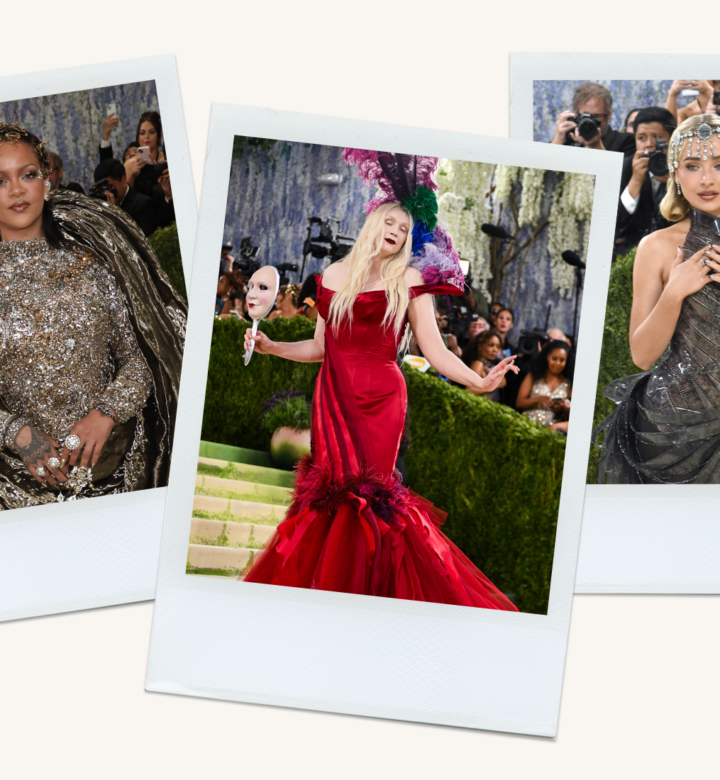
Sabrina, Gwendoline, Rihanna: Why the Biggest Stars of the Met Gala had the Least Flattering Looks

But more importantly, they worked

met gala 2026 theme challenged traditional ideas
Matt Baron/Timmsy/Photo Image Press via ZUMA Press/Shutterstock

Every year, like clockwork, the Met Gala ends and the complaints begin. The Met Gala red carpet was boring. Not enough risk. Everyone looked the same. More fashion! 

And every year, I want to gently remind everyone that the Met Gala is not your typical red carpet. It’s not the Oscars. It’s not about looking pretty. It’s not even really about looking good. It’s about interpretation and truly nailing the theme. And every year, it begs the question: How far someone is willing to go to embody an idea, even if that idea doesn’t love them back?

This year made that clearer than ever. Because the most on-theme looks at the 2026 Met Gala were also the least flattering. Before we dive in, let's rewind a bit. If you remember, the best Met Gala themes are always the ones that are specific enough to challenge people, but open enough to allow for interpretation. Remember in 2019 the Camp: Notes on Fashion or in 2018 Heavenly Bodies: Fashion and the Catholic Imagination? Even 2024’s theme of Sleeping Beauties: Reawakening Fashion, which could have easily gone sleepy, instead pushed attendees into something poetic and alive.

Compare that to themes like 2014’s Charles James: Beyond Fashion or 2023’s Karl Lagerfeld: A Line of Beauty, where the concept felt either too niche or too reverential. You either got archival cosplay or polite homage. This year’s theme, as the Metropolitan Museum of Art described in a press release, aimed to examine “‘Fashion is Art,” inviting guests to express their own relationship to fashion as an embodied art form and celebrate the countless depictions of the dressed body throughout art history.”
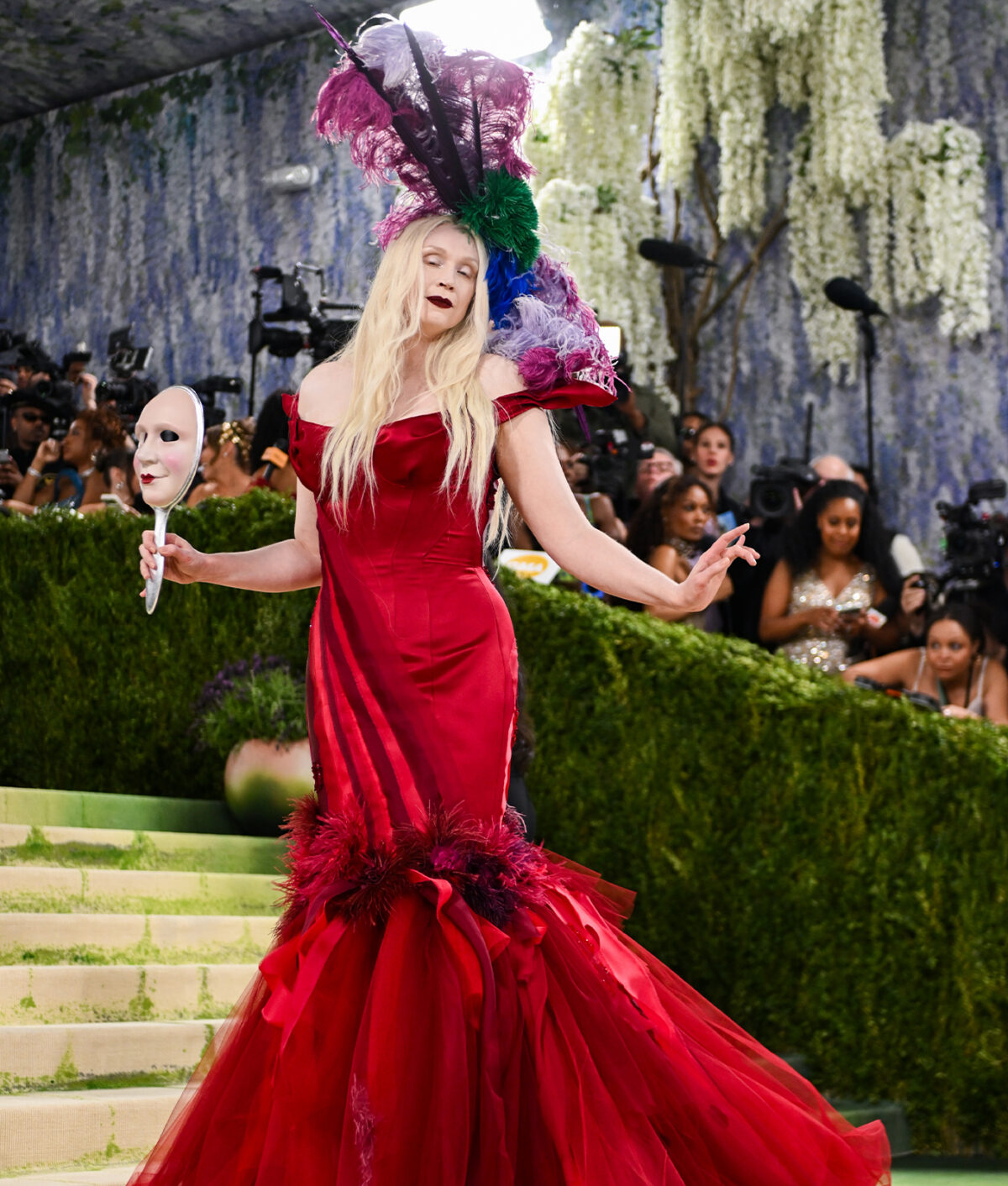
met gala 2026 theme challenged traditioanl ideas: gwendoline christie
Timmsy/Shutterstock

To me, the theme is rich in theory, which also means the looks might not be flattering. Take Gwendoline Christie, whose look (created by her longtime partner Giles Deacon) was one of the most intellectually satisfying of the night. The references were layered and deliberate: painter John Singer Sargent, surrealist photographer Madame Yevonde, counterculture image-maker Ira Cohen. It was art history, embodied. It was also…a lot. Not conventionally stunning. 

Or Doja Cat, who shape-shifted yet again in custom Saint Laurent by Anthony Vaccarello. The look leaned sculptural, almost Grecian, coated in high-gloss silicone. It erased the body as much as it highlighted it. It was beautiful and flattering, but that also depends on your definition. Then there was Katy Perry in Stella McCartney, arriving in a futuristic, all-white look that read somewhere between fencing uniform and intergalactic anonymity. The face-concealing headpiece turned her into a concept instead of a person. Janelle Monáe took it even further, wearing a gown constructed from moss, wires and computer parts. Tech meets nature, yes. But also intentionally disruptive to the body’s natural lines.

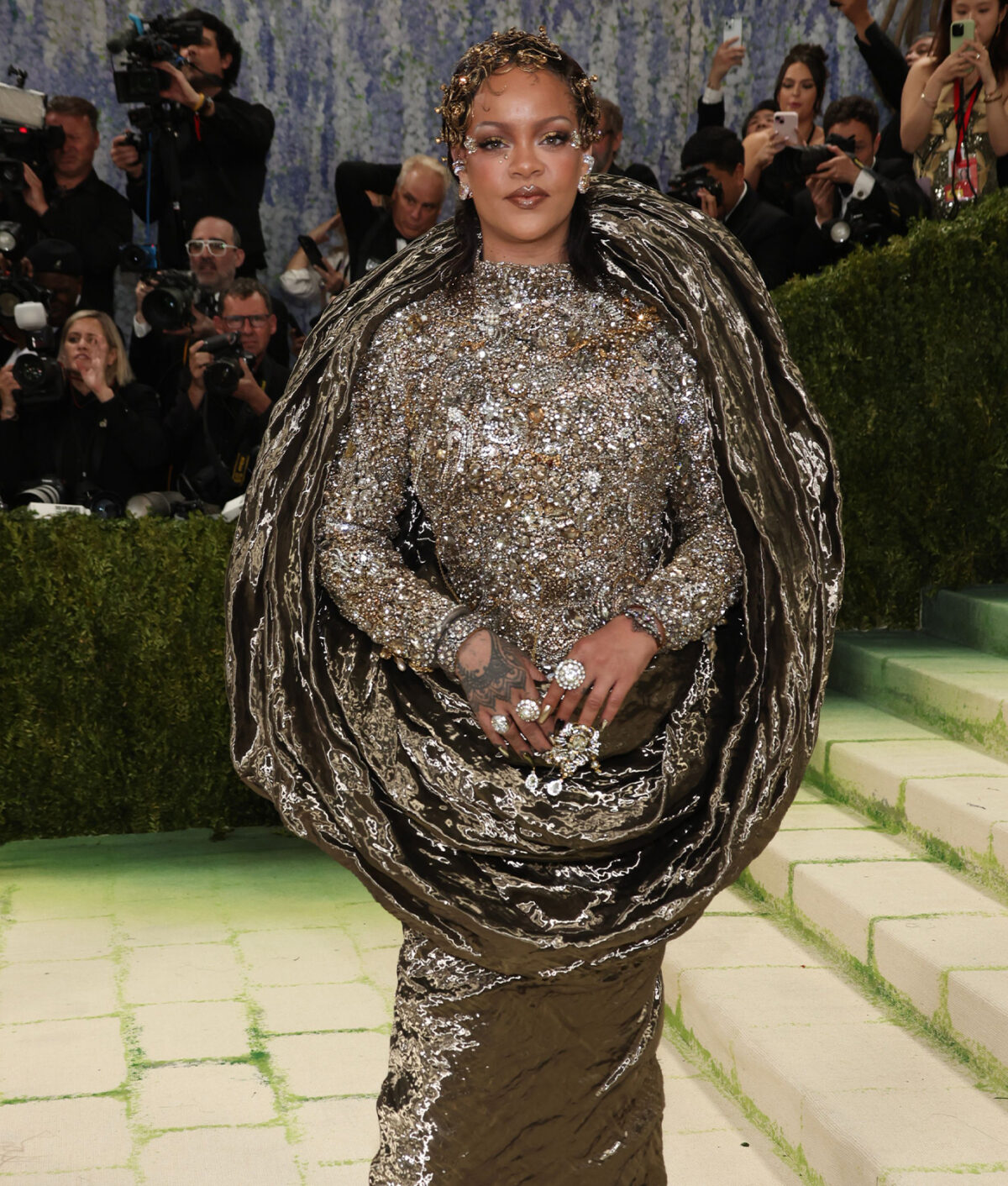
met gala 2026 theme challenged traditional ideas: rihanna
Matt Baron/Shutterstock

Even Kylie Jenner, who tends to play it safer on the Met steps, went conceptual in Schiaparelli. Her trompe l’oeil gown created the illusion of a nude torso, complete with sculpted details. It was clever. It was very uncanny. And then there was Rihanna, who arrived in Margiela Couture by Glenn Martens, marking his debut for the house. The look felt like a full thesis on the body itself. Layered, and very deconstructed in its proportions. Hailey Bieber took a more referential route in Saint Laurent by Anthony Vaccarello, nodding to Yves Saint Laurent’s 1969 collaboration with Claude Lalanne. The result, with its body-referencing structure, used golden body plates to ground the idea of the body as an art object. And Bad Bunny? He took things in an entirely different direction, arriving in a custom Zara suit of his own design, paired with prosthetics by Mike Marino that aged him decades. Again, the MET gala red carpet doesn’t flatter, it’s always about staying on theme.

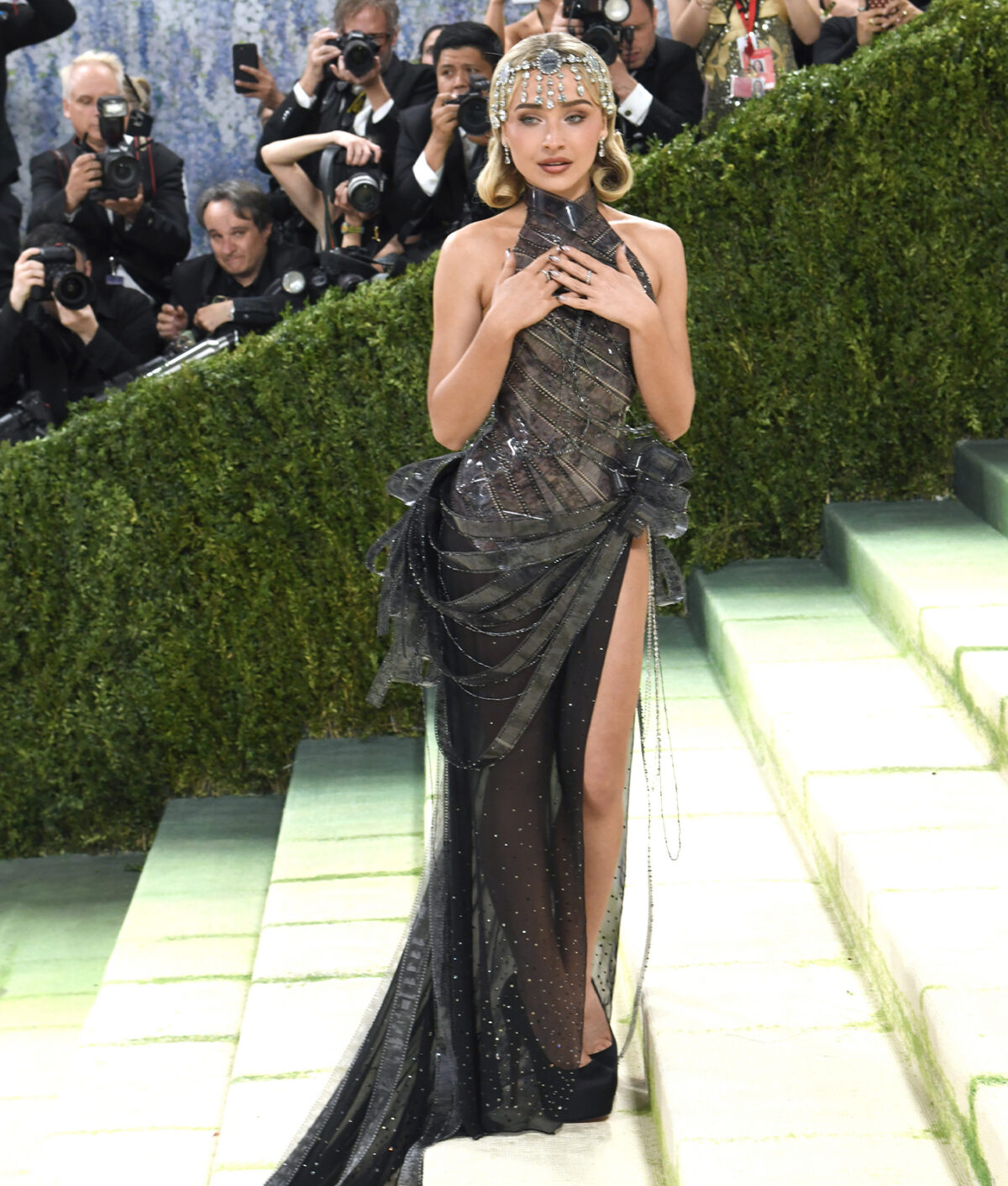
Need more references? Let’s look at Paloma Elsesser who wore a breathtaking vestige gown by Francesco Risso’s Bureau of Imagination. Nearly 30 vintage dresses were dismantled and reassembled into something entirely new. The train dragged behind her like a painter in motion. Sabrina Carpenter, dressed by Dior, was wrapped in film strips. Literal, yes, but also very effective. And Audrey Nuna, in Robert Wun, wore a white coat dress splattered in black paint, like a walking canvas. One of the night’s strongest statements, precisely because it refused to look dainty.

met gala 2026 theme challenged traditional ideas: sabrina carpenter
Photo Image Press via ZUMA Press/Shutterstock

Here’s the rub. When the Met Gala works, it’s often at the expense of conventional beauty. Because beauty, at least society's definition, is about making the body look its best. But the Met Gala isn’t about your best angle. It’s about your boldest idea!

So yes, if you’re judging the carpet based on who looked the most flattering, you’re going to be disappointed. But if you’re looking at who actually let the concept take over, who was willing to look a little strange, a little uncomfortable, even a little off, those are the people who got it right. The irony is that the more “on theme” you were, the less you resembled yourself. The body became secondary. The idea took over. And that, my friends, is why we watch the MET gala.


Deena Headshot

Deena Campbell

Fashion and Beauty Director-at-Large

  • Oversees fashion and beauty content. 
  • Former Beauty Director at Marie Claire; editorial lead at Allure, Essence, and L’Oréal-owned beauty platforms
  • Advocate for inclusive storytelling in style, beauty, and wellness