When the Oscar nominations were announced, it was a mix of the expected (Sinners did an historic sweep) and unexpected (Kate Hudson for Best Actress). My personal surprise? That Richard Linklater's Nouvelle Vague wasn't on the list. I had been following its press run leading up to its Golden Globes nomination, and it reeled in ten César Awards nominations, which is the French equivalent of the Academy Award. It may not be recognized on Hollywood's biggest night, bit it's still absolutely worth a watch, if its 91 percent Rotten Tomatoes score (and I) have anything to say about it.
This Must-Watch Film Has a 91% Rotten Tomatoes Score—But Was Totally Snubbed for Awards Season
Definitely worth a watch

•
Published Jan 30, 2026
Jean-Louis Fernandez/Courtesy of Netflix
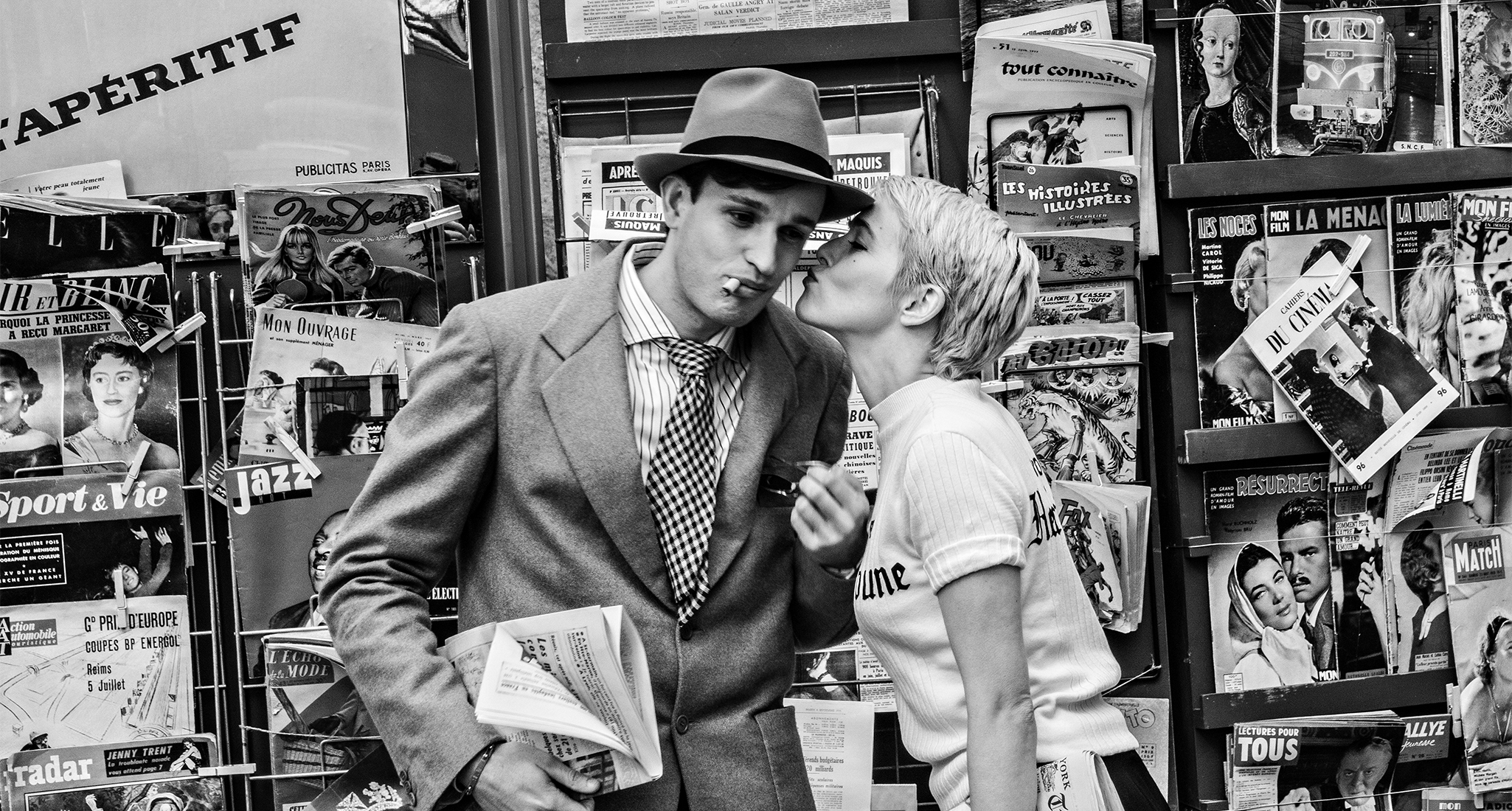
Similarly to the way Wes Anderson's The French Dispatch was an ode to journalism, Nouvelle Vague is a love letter to a groundbreaking period of cinematic history. Set in 1959, the film follows pioneering director and film critic Jean-Luc Godard as he sets out to make his legendary film, Au Bout de Souffle (Breathless). The '50s were the last legs of the Golden Age of Hollywood, defined by huge budgets, sound stages, elaborate lighting and stars the likes of Marilyn Monroe, James Dean, Audrey Hepburn, Marlon Brando and Elizabeth Taylor. Godard ripped up all that tradition, and the film chronicles his erratic, revolutionary and very often stressful filmmaking methods as he corals a doubtful producer and skeptical American actress into executing his vision.
Jean-Louis Fernandez/Courtesy of Netflix
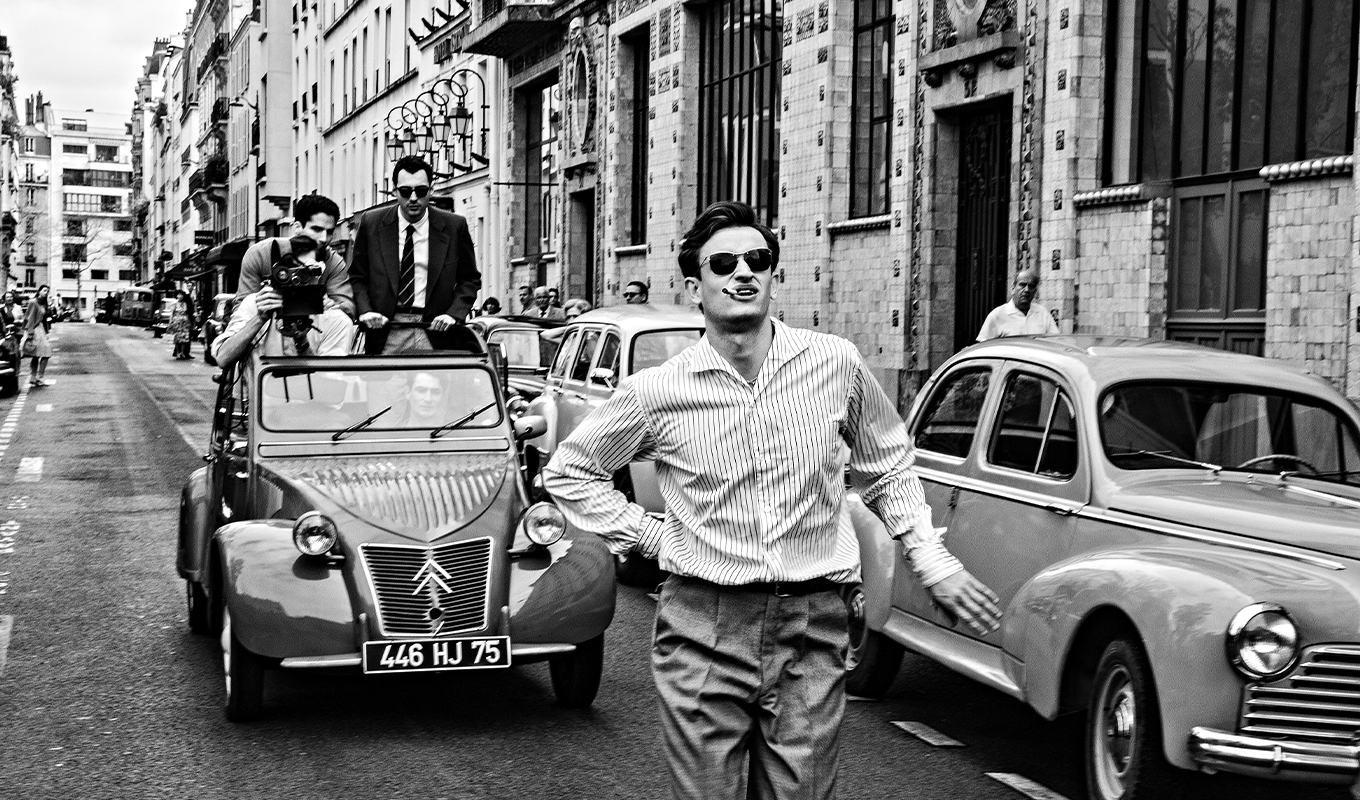
The film is shot entirely in black-and-white, probably referencing Godard's own choice to shoot Breathless on black-and-white Ilford HP5, a film that at the time was not available for movie cameras. One of his first hacks is to splice together reels of his desired film, and the second is to push his cameraman, handholding the movie camera, in a wheelchair or postal cart, to give the movie a documentary, guerilla feel. No lights. No sound stages. No synched sound.
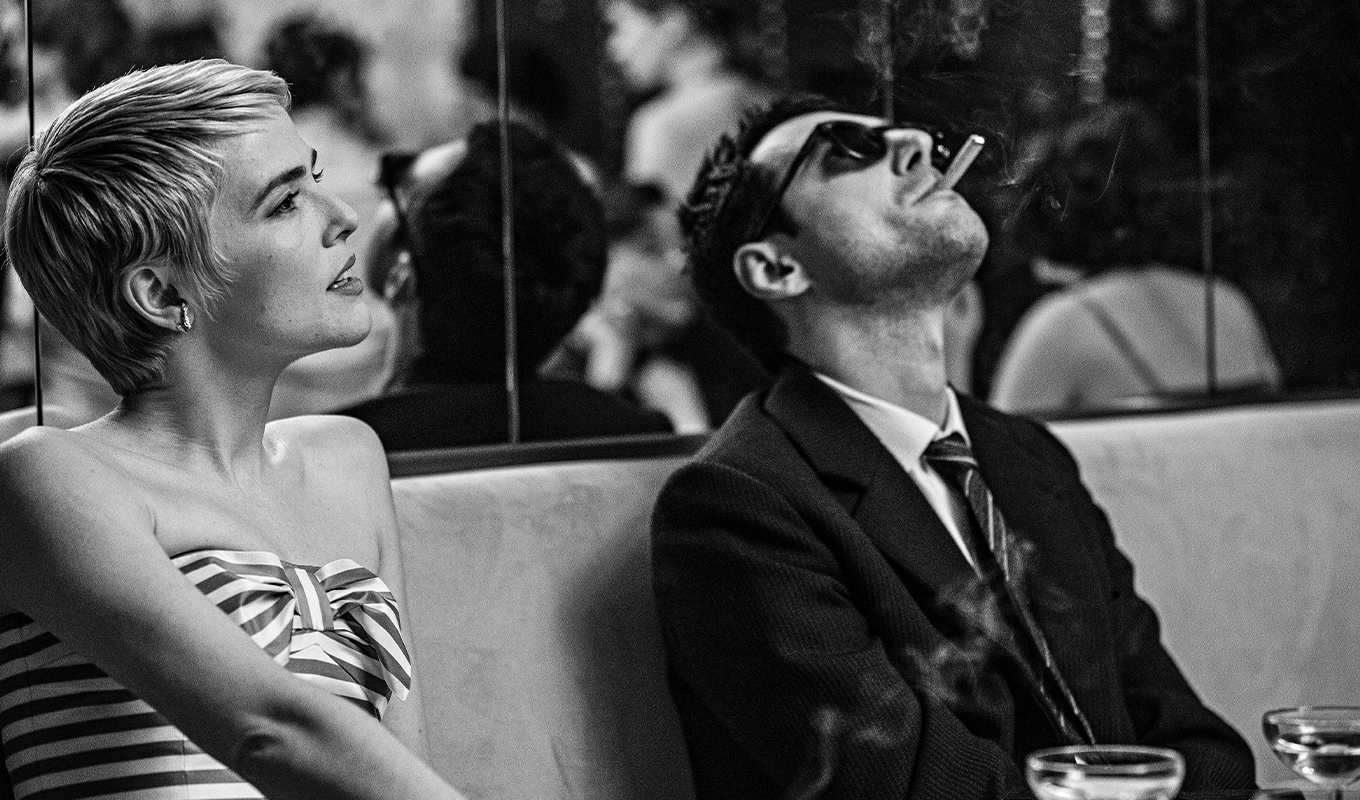
As someone who loves Anderson's work, I was instantly drawn to Nouvelle Vague's quirky, theatrical style. Think quick pans and title cards to introduce the veritable cast of heavyweights—including François Truffaut, Claude Chabrol, Suzanne Schiffman and Roberto Rosesllini—so many it was dizzying to keep track. The casting was also spot on; the actors very closely resembled those they were playing, and it felt like you were on the ground, next to Godard, as he churned out his film, got into fistfights and doggedly persisted in annoying everybody. Many scenes they portrayed were nearly identical to footage in Breathless, and watching the films back-to-back was amusing.
Jean-Louis Fernandez/Courtesy of Netflix
Overall, what I loved most was the conversation Nouvelle Vague posed about art. What does it mean to be an artist when you exist in a capitalist framework? Can you rush creativity, crank it out Old Hollywood-style in a machine, engineered to produce hit after hit? Is there a right way to execute the creative process? In the film, Godard must constantly negotiate all these questions as his producer pressures him to work more efficiently, and he subsequently enrages them by shooting only 15 minutes on some days, when he's "out of ideas." Do we risk it all for the sake of innovation, even if profit isn't promising? As a creative person and someone who just wrote a novel, I ask myself many of these questions almost daily. And what gives me hope to keep creating is exactly what pushes Godard forward: The belief you're reaching for something beyond the medium and beyond yourself.