I'm a Millennial Who Used to Work in Magazines—Here's What ‘The Devil Wears Prada’ Got Eerily Right

Nigel said it best

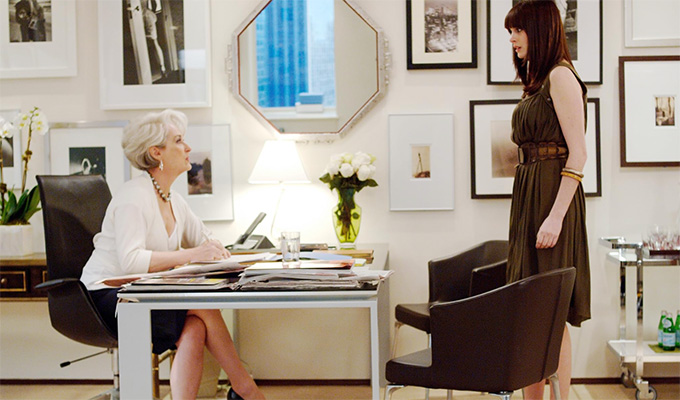
Devil Wears Prada 2: Meryl Streep and Anne Hathaway across a desk
20th Century Fox

Was someone trying to sabotage me…with a jar of paper clips? When I started my first job as an assistant in magazines, it was the only thing on my desk. An apple-sized glass jar full of rainbow paper clips.

So, when a top editor asked me to print documents and leave them on her desk, I hastily grabbed the first clip—baby blue—and popped it on the packet.

Then I was called back into her office.

“Going forward, can you only use silver paper clips? Perhaps black, maybe navy, but never anything like this?” she asked, holding up the packet. “It offends my visual sensibilities.”

My first, most basic task, and I’d already messed it up.

Welcome to the world of magazines, circa 2010: post-recession, pre-digital upheaval and still clinging to its old hierarchies. Even though I got my start a few years after The Devil Wears Prada’s 2003 debut—and subsequent 2006 blockbuster movie—it perfectly captured more than the tyranny of a challenging boss. It was the strange mix of absurdity and aspiration that defined entry-level life in magazines.

Now that it’s spawned a sequel, people have asked me (a former editor’s assistant), was it ever really like that?

Gather ‘round, young Gen Zs and Alphas, and let this elder millennial tell you: Yes, yes, it was.

Unlike Sex and the City and Girls, nobody moved to New York to chase their dreams because of The Devil Wears Prada. I, like Emily Blunt’s character, Emily Charlton, knew “a million girls would kill for this job,” and so, The Devil Wears Prada was cathartic, in the way that a Dilbert comic is for anyone at a corporate job.

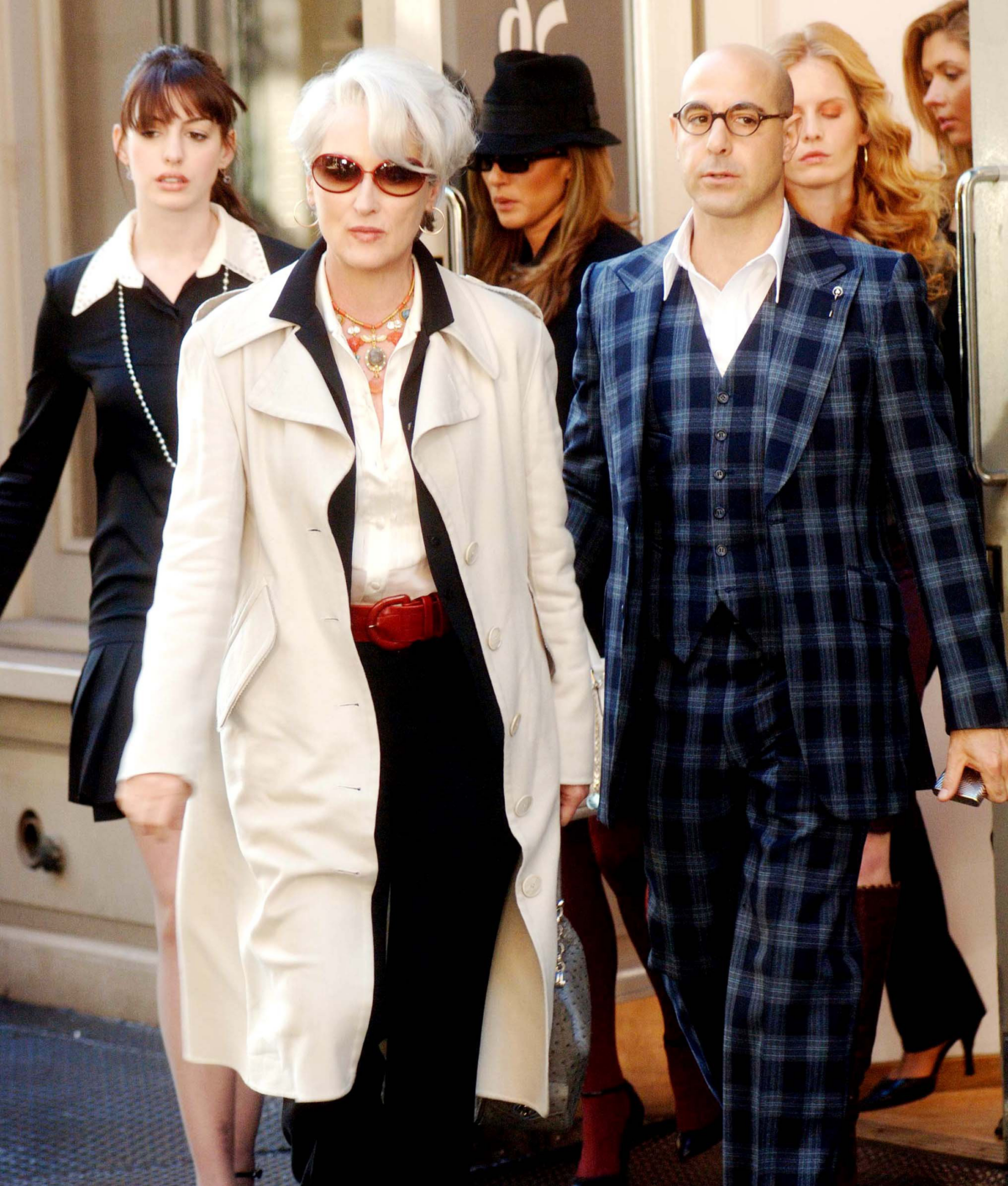
devil wears prada: miranda, andy and nigel walk down street
Globe PhotosInc/Globe Photos/ZUMA Press Wire/Shutterstock

As an assistant, you were the original AI—your whole job was to remove the friction from their daily lives, freeing them up to be the visionary of their brand. So, in a pre-Uber era, that meant arranging their car services and all travel, keeping an eye on their flights and updating their full itinerary, should you notice their flight might be delayed. You could practically name the Pantone color of the shade of their coffee, you knew their order so well; you knew the host at half the major restaurants in town, and you were used to sweet-talking your way out of the no-show fee when you rescheduled a lunch reservation four times and then had to cancel 12 minutes beforehand.

In so many ways, Andy Sachs (Anne Hathaway) embodied the millennial spirit at that time—at least mine, for sure. Ambitious and earnest, yet with a chip on our shoulder. I had interned at local news stations and newspapers (where there was no coffee-fetching hierarchy) before moving to magazines. In the newspaper world, I was boots-on-the-ground reporting on everything from rising gas prices to missing persons cases.

When I moved onto magazines, I struggled with taking dictation for emails because one boss found computers too hideous to have in her office and, like the cerulean sweater moment, tried not to roll my eyes as half an afternoon was spent determining which shade of gray, exactly, was the “new beige” and whether an ottoman in a photo shoot displayed the right “quiet restraint” a room called for. Was this some kind of Beauty and the Beast estate? I wondered. Was the ottoman fighting not to lash out against the French country interior in which it’d been placed? I worked in magazines covering luxury interior design and general women’s lifestyle, not fashion, but the logic was the same: Taste wasn’t trivial, it was power.
quotation mark

That was the gift of The Devil Wears Prada: perspective, on two fronts. It forced me to see the value of the work and the cost of putting too much of yourself into it.

There was an absurdity to things, particularly the “world is ending!” drama that could unfold if, say, the flowers for a photo shoot were more peachy than cream. Nobody was going to die, but still, heads would roll.

That was the gift of The Devil Wears Prada: perspective, on two fronts. It forced me to see the value of the work and the cost of putting too much of yourself into it.

Just as I got into magazines because a 12-year-old me felt less awkward and alone reading Atoosa Rubenstein’s editors’ letters in CosmoGirl (I kept the first issue with Melissa Joan Hart on the cover until it literally fell apart), there were people finding inspiration in the pages of the interior design and lifestyle magazines I was working for.

That “wake up, sweetheart” speech Nigel gives Andy? It hit home. (“You are not trying, you’re whining,” he says, when she comes to his office to vent. “This place, where so many people would die to work, you only deign to work.”)

I didn’t have a passion for interiors, but I could learn to respect it. The trend-spotting and curation that gave each publication a distinct point of view, driving inspiration and making people feel seen, there was value in that. And on a personal level, in my travel organizing and coffee-fetching, I was learning negotiation skills and project management.

At the same time, I needed to set boundaries. Because “a million girls would kill for this job,” there was pressure to always be on, always respond, always make it happen—even if it meant missing brunch during your mother-in-law’s first trip to New York in years to track down your boss’s missing luggage one Sunday morning (which I dutifully did, then cried about, rather than push back). I had to learn to stand up for myself. After all, like Nigel said, I wouldn’t be getting a “gold star and a kiss on the forehead” either way (and it wouldn’t necessarily spare me from layoffs, especially as the industry condensed).

That’s what makes me so intrigued about the sequel, out May 1. Yes, I miss the characters, I want the humor—but I also have high expectations for its portrayal of how the industry has evolved in the two decades since the original came out. So many print magazines have folded; content creators and citizen journalists can wield as much influence as legacy media. In some ways, there’s been a necessary crumbling of the self-important seriousness and superfluous demands. Most assistants I know get opportunities to write and report earlier on, and while some may still do coffee runs, I don’t know of any who get sent out several times until the soy latte’s temperature is just right. Nobody has time for those egos anymore.

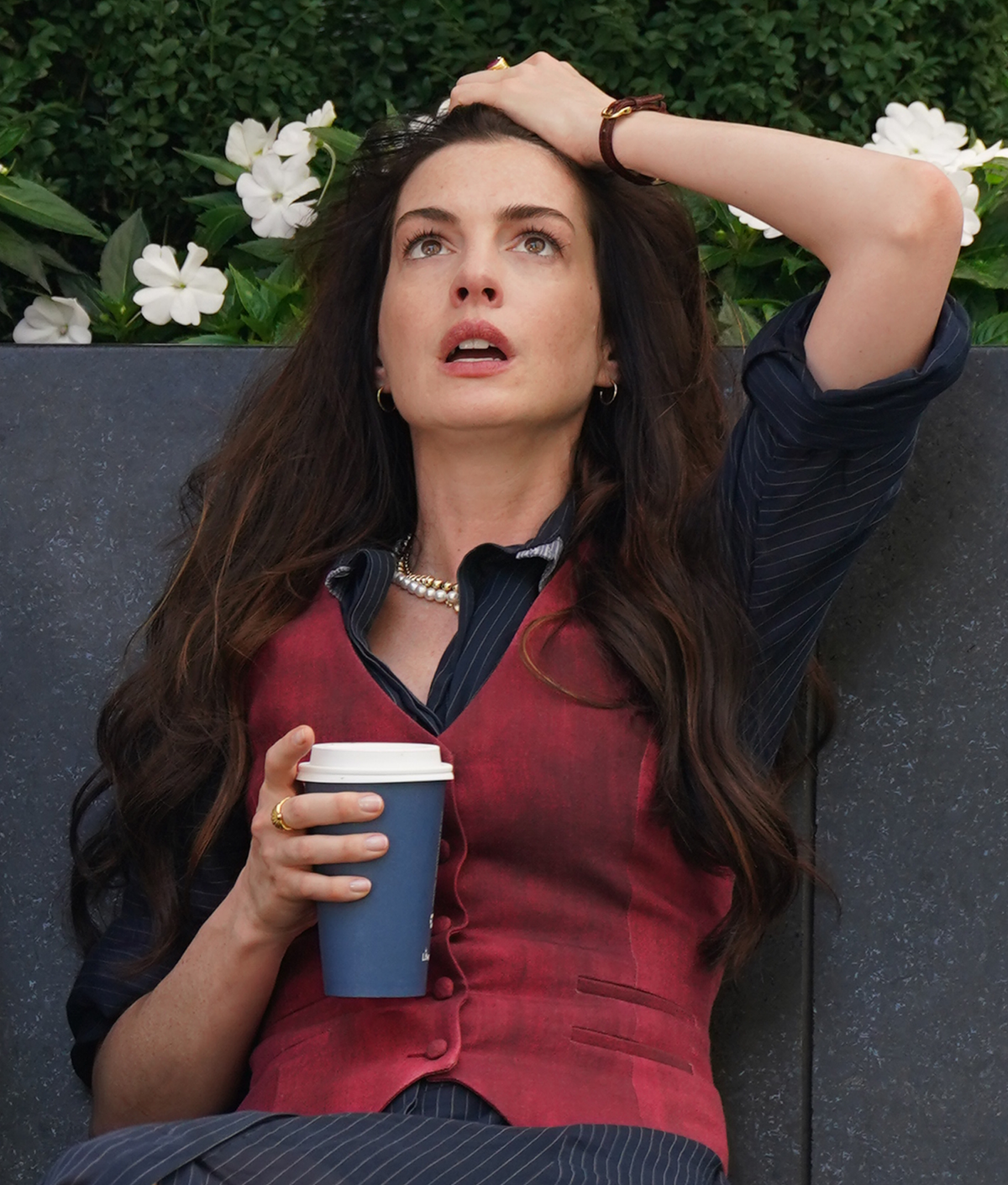
anne hathaway filming devil wears prada 2
Kristin Callahan/Shutterstock

Layoffs have become the norm; often multiple times a year, instead of the pre-holiday annual event that it seemed to be in the post-recession years. We’re constantly pivoting to new technologies, new algorithms—fighting the urge to fear-monger or appeal to the lowest-hanging fruit in exchange for traffic, what’s long been the lifeblood of modern media.

Now, the rise of AI has changed the way people seek information, making community and engagement more important than ever—along with the need for curation and, as my print predecessors referred to it, their “eye” to sift through the glut of #content out there.

How does Andy navigate that, 20 years into her career? How does Miranda (Meryl Streep) cope with seeing her influence crumble, after devoting her entire life to the industry? She knows better than anyone else that it isn’t personal, it’s business, but how does it feel as the tables have turned? And while her skills are still valuable, how does she re-establish that? Those questions are really interesting to me right now, and I’m curious to see how closely the writers get things this time around.

So go ahead, Andy, Nigel and crew—hold a mirror up to me once again. I’m ready for my closeup.  


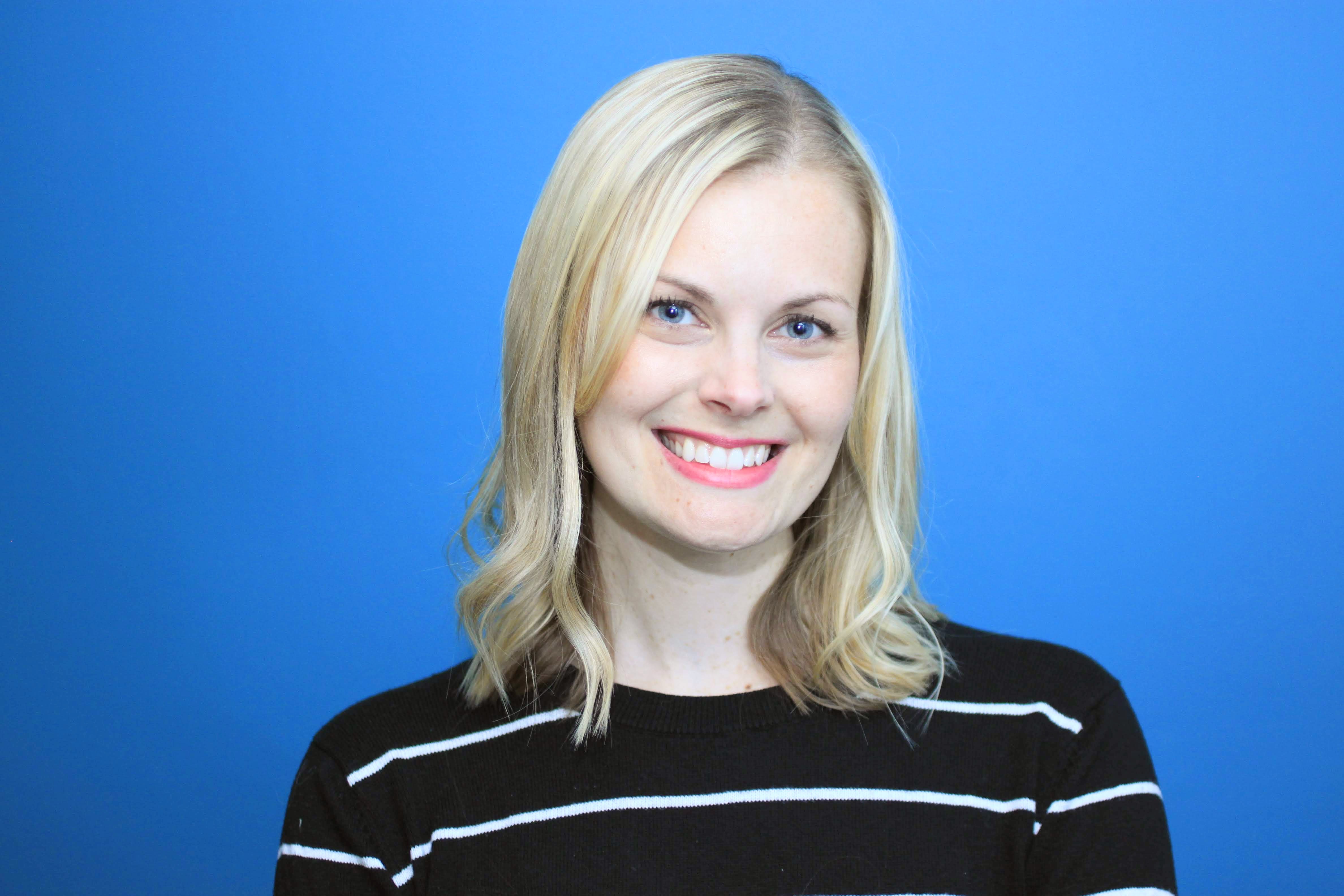
candace davison bio

VP of editorial content

  • Oversees home, food and commerce articles
  • Author of two cookbooks and has contributed recipes to three others
  • Named one of 2023's Outstanding Young Alumni at the University of South Florida, where she studied mass communications and business