I’ll admit it: I put off microneedling for years. Not because I didn’t believe it worked. If anything, the glowing before-and-after photos flooding my Instagram feed convinced me it probably did. What scared me was the process itself. Tiny needles repeatedly puncturing my face? Hard pass. But after hearing countless dermatologists rave about its collagen-boosting benefits—and noticing my skin looking a little duller than usual—I decided it was finally time to see what all the hype was about.
I Got Microneedling and My Marionette Lines Nearly Disappeared
A first-timer’s honest review

•
Published Jul 27, 2026
PureWow editors select every item that appears on this page, and some items may be gifted to us. Additionally, PureWow may earn compensation through affiliate links within the story. All prices are accurate upon date of publish. You can learn more about the affiliate process here.
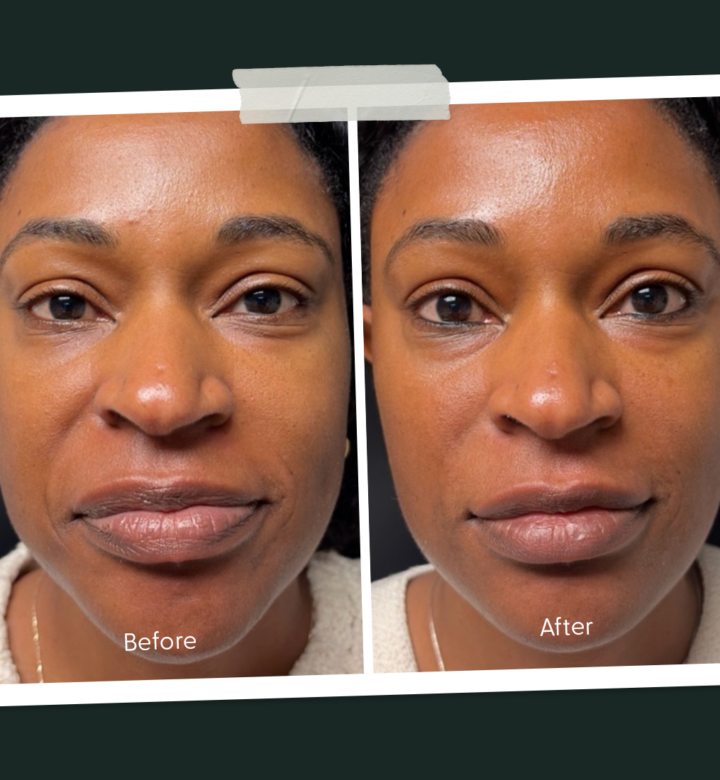
Original Photos by Deena Campbell/PureWow
What Exactly Is Microneedling?
Microneedling is a minimally invasive cosmetic treatment that uses fine, sterile needles to create tiny, controlled punctures in the skin. These microscopic injuries trigger your body’s natural healing response, stimulating the production of collagen and elastin which are two proteins that help keep skin firm, smooth and resilient.
“Beneath the skin microneedling uses pinpoint needles to create tiny injuries in the skin,” says board-certified dermatologist Dr. Jeanine Downie. “This increases your skin’s healing response and stimulates both collagen and elastin. Both collagen and elastin are proteins in the skin and when they are stimulated in this manner it typically brightens and tightens the skin. The ideal candidate for microneedling is anyone that wishes to improve texture irregularities, improve skin tone, and decrease fine lines and wrinkles.”
The catch? Results aren’t permanent. While collagen production continues for months after treatment, most dermatologists recommend maintenance sessions about once a year to help preserve the benefits. Microneedling is also typically considered a cosmetic procedure, meaning it’s paid for out of pocket. Expect to spend roughly $500 to $700 per session, depending on the provider.
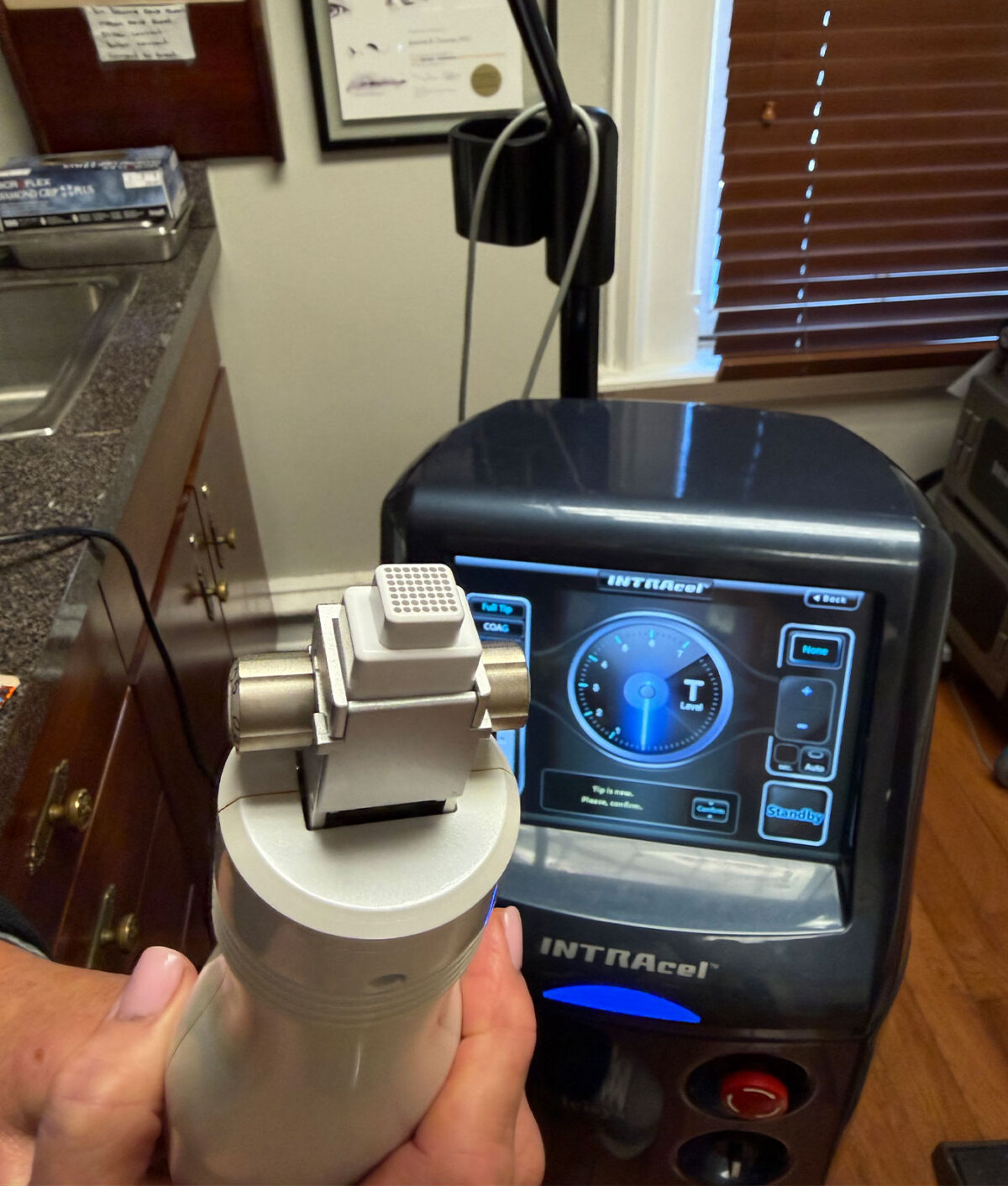
For my first treatment, I opted for IntraCel, a radiofrequency microneedling treatment that combines traditional microneedling with radiofrequency energy. One of the reasons I chose it is because it’s considered safe for all skin tones—from the fairest complexions to the deepest skin tones. This is especially important since not every energy-based treatment is appropriate for my melanin-rich skin.
Original Photo by Deena Campbell
The Treatment
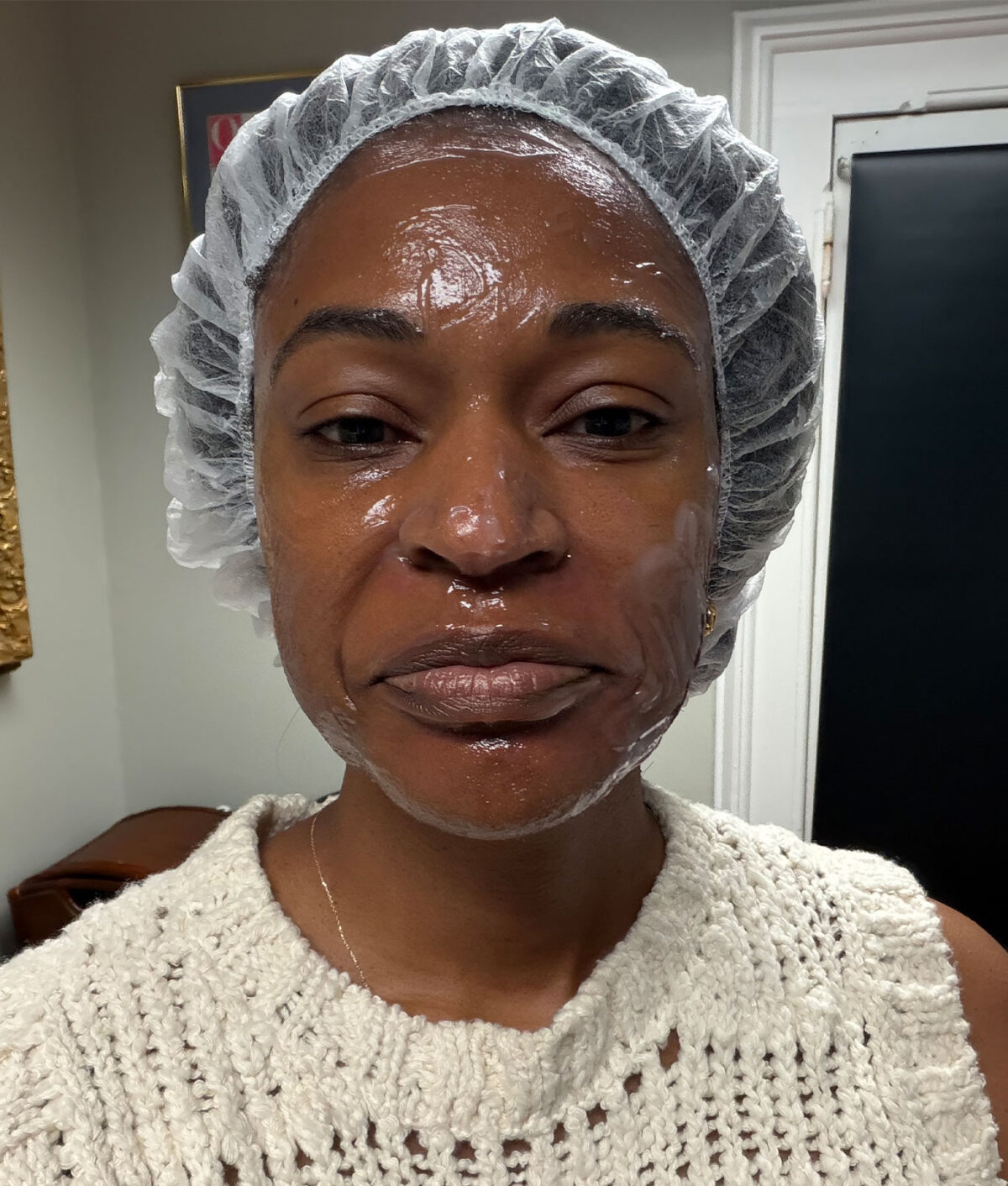
When I arrived for my appointment, my face was thoroughly cleansed before a topical numbing cream was applied. I waited while the anesthetic kicked in, falsely convincing myself that this would make the procedure feel like…nothing. Reader, it did not.
The treatment itself wasn’t unbearable, but I also won’t pretend it was relaxing. As the device moved across my forehead, cheeks and jawline, each pass felt hot and intensely prickly. The radiofrequency component seemed to amplify the sensation. By the time we reached the more sensitive areas around my mouth and forehead, it felt like my face was on fire. I found myself gripping the treatment bed and silently counting down until each section was finished. The discomfort was temporary, but it was real.
Original Photo by Deena Campbell
The Hours Afterward
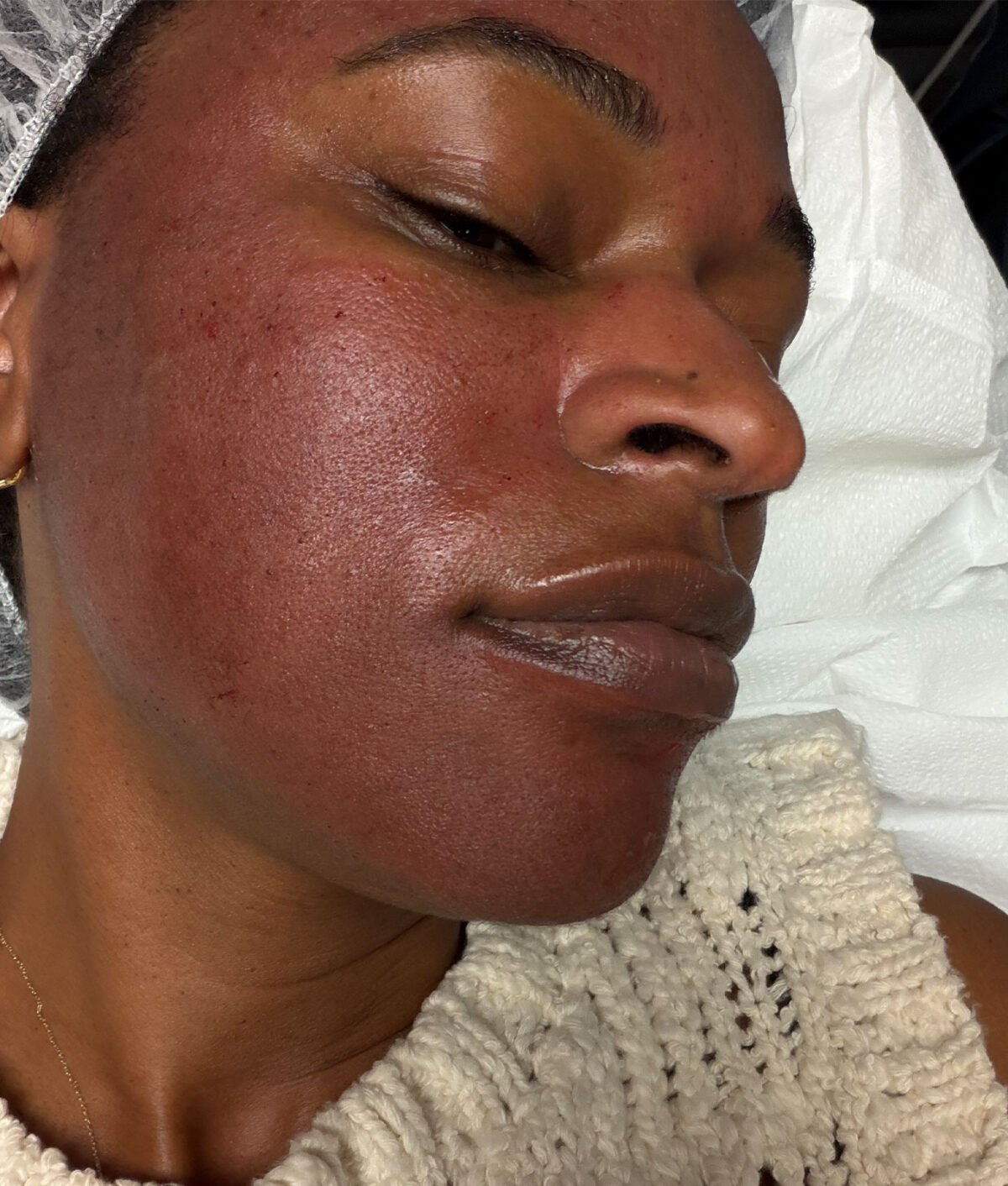
Immediately afterward, my skin looked intensely red, almost like the worst sunburn I’d ever had. The burning sensation didn’t magically disappear once I left the office, either. For the next several hours, my face continued to feel hot, tight and sensitive, as though I’d spent an entire afternoon under the Caribbean sun without sunscreen. Thankfully, by the next day, the burning had subsided significantly, leaving behind redness that gradually improved over the following days.
Original Photo by Deena Campbell
My Post-Treatment Routine
Aftercare is almost as important as the treatment itself. In fact, Dr. Downie reminded me, “You have to do your part too!” I took that advice to heart. For the first 10 days, I was religious about following every instruction because if I was investing in an advanced treatment like this, I wanted the best results possible. My regimen included:
- Vitamin C and Hydroquinone serum every evening
- Mupirocin ointment twice daily
- A CO2Lift mask each night
- Sunscreen reapplied three to four times throughout the day
The routine wasn’t exactly low maintenance, but neither is rebuilding collagen. Considering my skin had just undergone controlled trauma, I wanted to give it every opportunity to heal properly. That meant no cutting corners, no skipping sunscreen and no convincing myself that one missed application wouldn’t matter.
Results Aren’t One-Size-Fits-All
One thing I appreciated learning before my appointment was that microneedling isn’t a one-and-done treatment for everyone. “Treatment sessions vary from one person to another, and the amount of treatment sessions generally depends on the quality of your overall skin health and what your skin looks like. You can be a 40-year-old woman that vapes, tans, and does not sleep well—that 40-year-old will need twice as many treatment sessions as a 50-year-old that does not have those same bad habits. So, treatment sessions depend on what your skin standards are and there is no standard amount of treatment sessions.”
Was it Worth It?
While collagen remodeling continues for months after treatment, many people begin noticing subtle improvements around the four-week mark as their skin heals and starts producing new collagen. Research suggests visible improvements in skin texture can emerge within three to four weeks, though collagen continues to mature well beyond that, meaning results often become more noticeable over time. Systematic reviews have also found microneedling to be a safe and effective option for improving skin texture, fine lines and certain types of scarring, particularly when performed by a trained professional.
“Patients typically notice improvement after one or two treatment sessions and most see a distinct benefit after just one,” says Downie. “Results can last for up to two years or longer depending on how the individual patient takes care of their skin. Professional treatment work much better than DIY/devices treatments. DIY devices do not have proper research behind them and typically I never recommended them.”
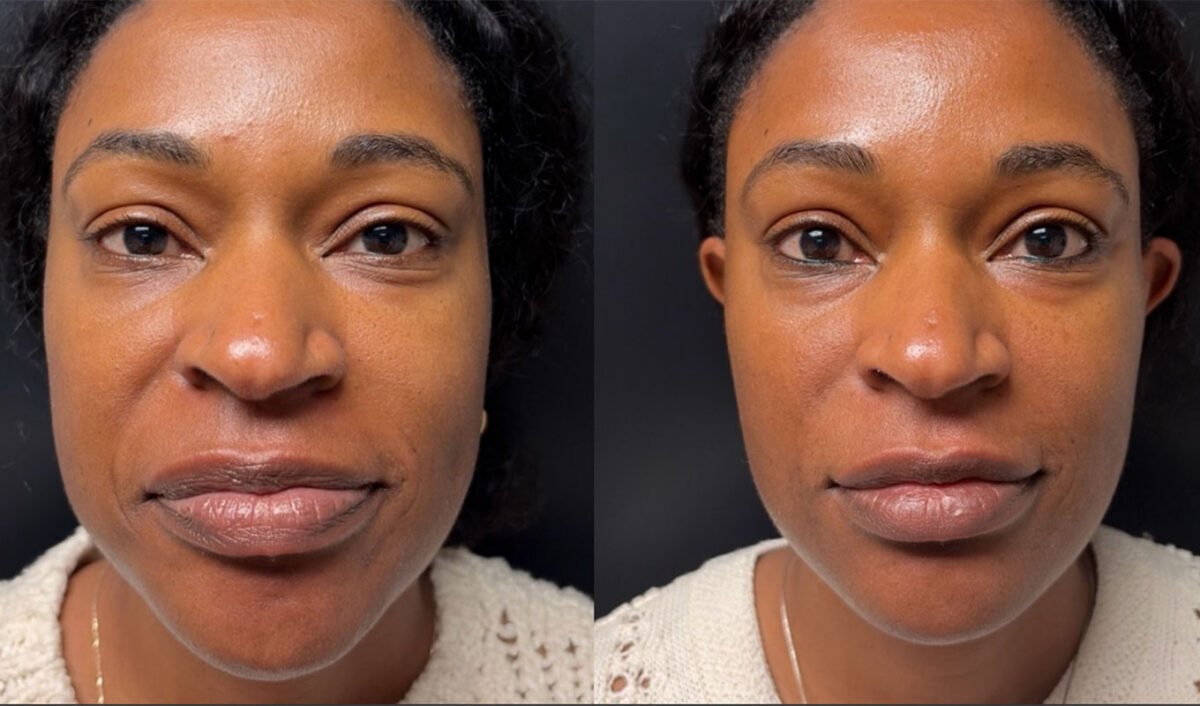
Original Photo by Deena Campbell
Before and After
After just one treatment, I noticed my skin looked brighter and smoother, particularly across my cheeks where my complexion tends to look uneven. The biggest change were the lines that disappeared around my mouth. While I’m realistic enough to know one session isn’t going to erase every fine line overnight, I understood why people commit to a series. Would I do it again? Yes. Would I complain through the entire appointment again? Also yes.
Microneedling isn’t the spa treatment you book to unwind after a stressful week. It’s an investment in your skin, and depending on your pain tolerance, you may spend 30 minutes questioning why you did it. But if you’re looking for a treatment that can improve texture, stimulate collagen and deliver gradual, natural-looking results, I can officially say I understand the obsession.