
Meghan Markle Isn’t Afraid of the ‘F’ Word; Why Are You?

Let's talk about it

meghan markle
SplashNews.com/Shutterstock/purewow

Plenty of four-letter words get people riled up, but there’s a certain three-letter one that’s been making adults cringe.

I first noticed it at the playground. And then, in a business meeting, when a high-powered publicist confessed to dabbling in interior design in her off-hours. And, most notably, in Meghan Markle’s cover story in Harper’s Bazaar, when the Duchess of Sussex uttered the word so often the writer noted it: “There’s that word again.”

I’m talking about f-u—are you prepared for the final letter?—n. Yes, fun.

It was a term Markle used to describe her surprise appearance at Paris Fashion Week (“really fun”), her decision to embrace life’s messiness (“there’s also not a lot of fun in trying to be perfect”) and a core component of her marriage to Prince Harry (“I want us to play and have fun and explore and be creative”). And yet, it's a term many people don’t want to be associated with, unless they’re talking about their kids or a Disney cruise.

“I wish I had another way to describe it, it’s just so much…fun…for me,” the publicist confessed, when I asked how she got into design. “That’s embarrassing to say, but it’s true.”

Admitting something was fun was embarrassing? As someone who’d spent the prior weekend bouncing on trampolines at Sky Zone with my seven-year-old and has been known to frost cupcakes to look like Bluey, just for the heck of it, the statement caught me off-guard, but it’s an increasingly common sentiment.

quotation mark

“Fun feels inefficient, and inefficiency feels unsafe in a world that rewards doing more, not feeling better.”

Allegra Cohen, Brave Life founder and wellbeing expert

“A lot of adults were conditioned early on to associate worth with productivity,” explained Allegra Cohen, the Brave Life founder and wellbeing expert who’s studied fun and happiness so extensively that she delivered a Tedx Talk on harnessing joy. “Somewhere along the way, ‘fun’ got labeled as childish, indulgent, or something you earn after everything else is handled. As we grow up, fun starts to feel irresponsible, especially for women who are carrying a lot of invisible labor. Add hustle culture and constant comparison, and fun can feel frivolous instead of functional.”

That was it: frivolous instead of functional. In today’s fraught times, when your to-do list seems caught in a race to balloon faster than your concerns, who has time for fun? Fun can seem like a luxury that’s just out of reach, especially if you feel like you’re barely eking out at the bottom half of Maslow’s Hierarchy of Needs.

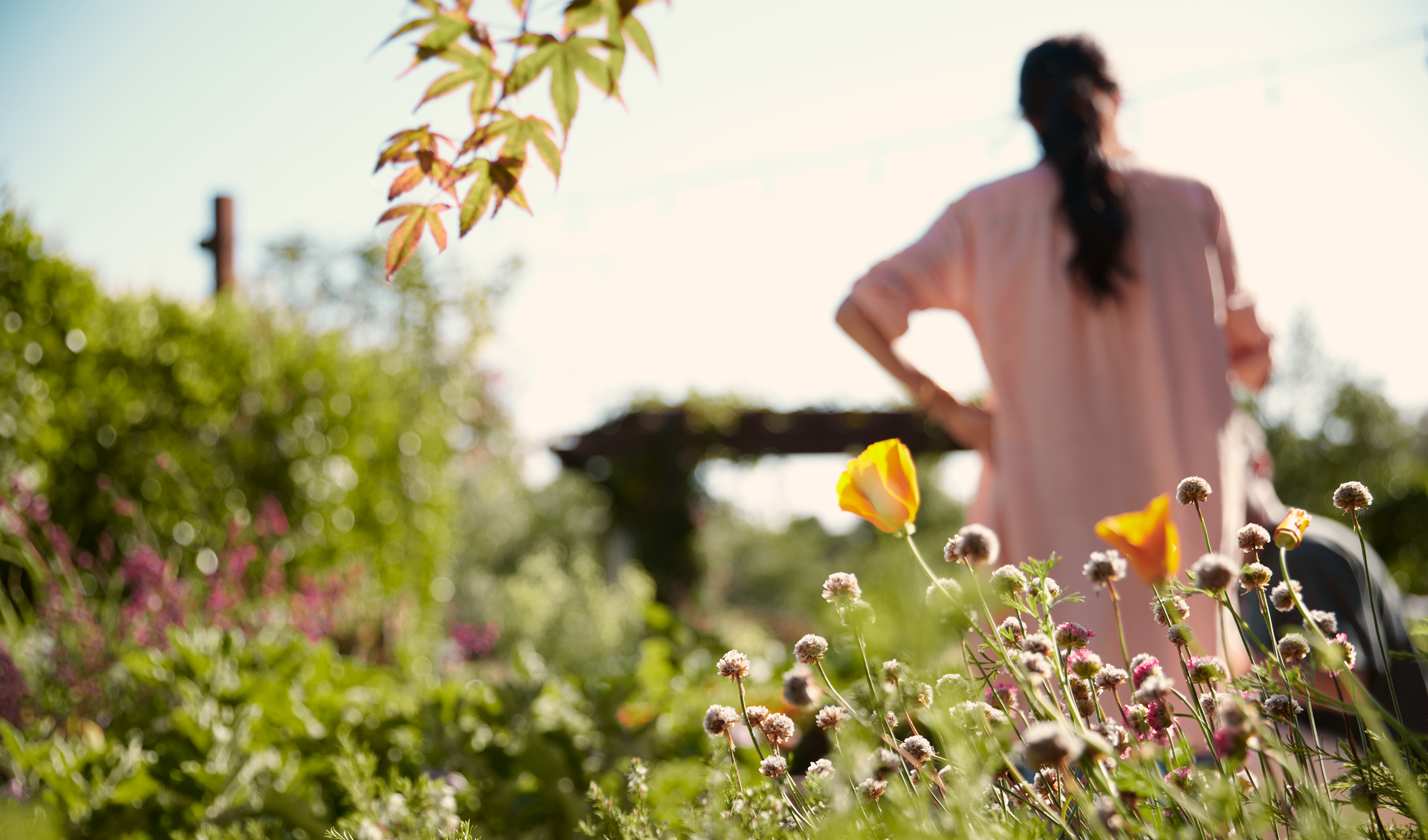
meghan markle in garden in 'with love, meghan' on netflix
Meghan, Duchess of Sussex in 'With Love, Meghan.' (Photo: Jenna Peffley/Netflix)

We’re Experiencing an F-ing Disconnect

“What I see in my work is that many adults aren’t avoiding fun because they don’t want it, they’re avoiding it because they’ve learned to prioritize output over experience,” Cohen adds. “Fun feels inefficient, and inefficiency feels unsafe in a world that rewards doing more, not feeling better.”

But having fun doesn’t have to be at odds with being a well-rounded human.

“Fun isn’t about avoiding responsibility. It’s about restoring the nervous system so we can meet responsibility with more clarity and energy,” she says. “Adults who allow themselves moments of play aren’t less serious about life, they’re often more grounded, adaptable and emotionally available.”

If you balk at the thought, you’re not alone: “I feel behind if I'm not using every last moment to be productive, whether that means working, cleaning the house or taking my son to baseball practice,” researcher and Daring Greatly author Brené Brown said back in 2014. “But I can't ignore what the research (mine and others') tells us: Play—doing things just because they're fun and not because they'll help achieve a goal—is vital to human development.”

Indeed, making time for fun—aka “time spent without purpose,” which Brown also described as her “definition of an anxiety attack”—can lower stress levels, boost your mood and help you enter and stay in a flow state easier.

So, how can you make time for fun…without the cringe or anxiety attack?

Cohen suggests seeking “micro-joys,” or “doing something just because it feels good, not because it’s productive, like dancing while making coffee or listening to a song you loved as a teenager.” Or adding a sense of whimsy to your routine: “wearing a color that lifts your mood, taking the long way home or using your favorite mug on an ordinary day.” And, in the realm of stopping apologizing for everything, you need to let “yourself laugh without explaining it away or minimizing it.”

Meghan, Duchess of Sussex in episode 107 of With Love, Meghan. Cr. Jenna Peffley/Netflix © 2025
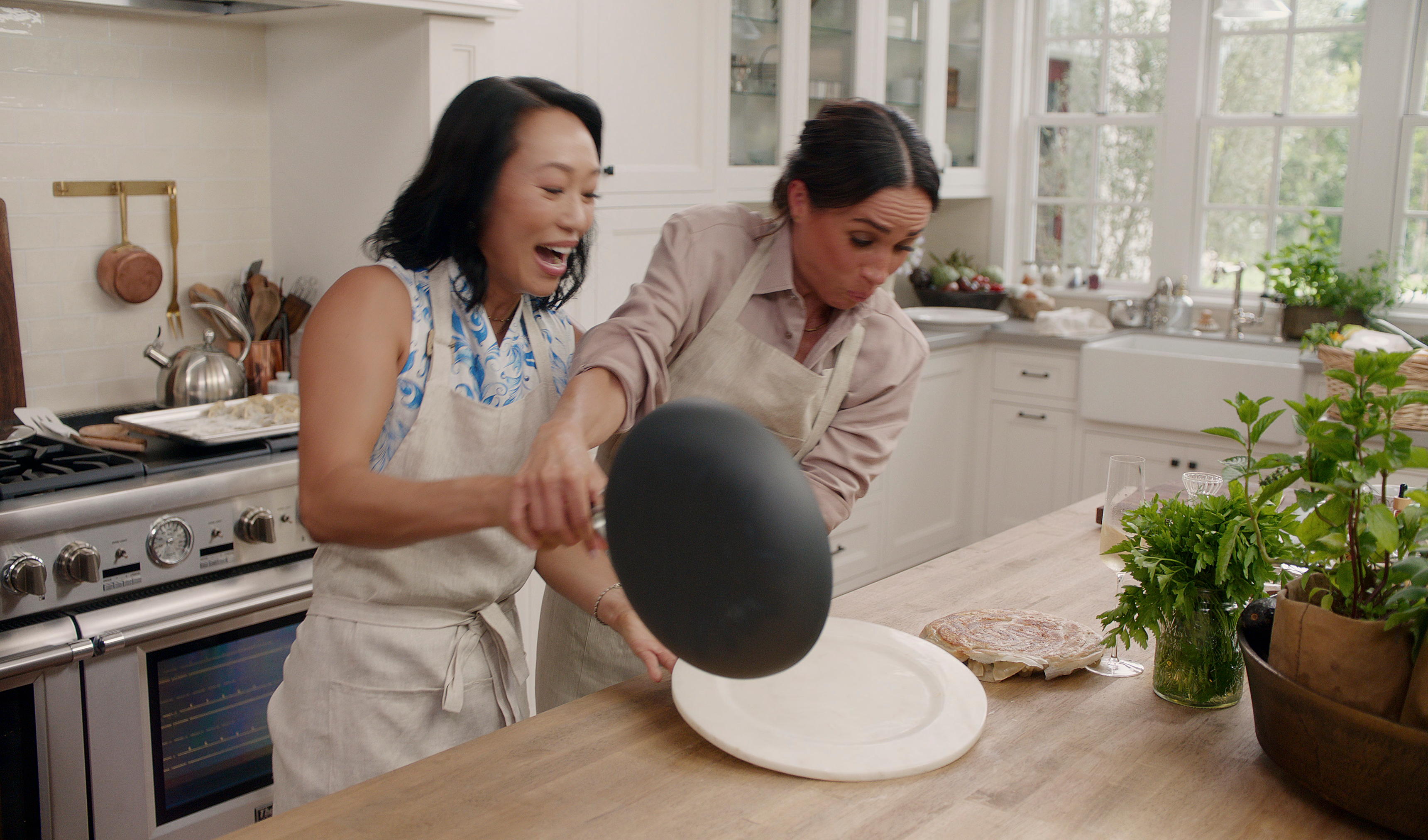
Victoria Tsai and Markle in 'With Love, Meghan.' (Photo: Netflix)

Consider This Your Permission to F Things Up

It’s easy to hear Meghan say that people put too much stress on certain moments, getting “so consumed in them that you lose the fun of why you are doing something,” and dismiss it with a “must be nice” and an eyeroll. But it’s also worth noting that it’s something she’s fought for after years of intense scrutiny under the public eye. Play—and fun—has become a well she taps into, helping her stay resilient amid the deluge of opinions people have on everything she does—especially her marriage.

In fact, it was her husband’s sense of “childlike wonder and playfulness” that has been transformative in her life: “I was so drawn to that, and he brought that out in me. That’s translated into every part of our life,” she told Harper’s Bazaar. “I want us to play and have fun and explore and be creative.”

It’s OK to want that for yourself, too. So go ahead, embrace the f-word in 2026. I dare you.


candace davison bio

VP of editorial content

  • Oversees home, food and commerce articles
  • Author of two cookbooks and has contributed recipes to three others
  • Named one of 2023's Outstanding Young Alumni at the University of South Florida, where she studied mass communications and business