
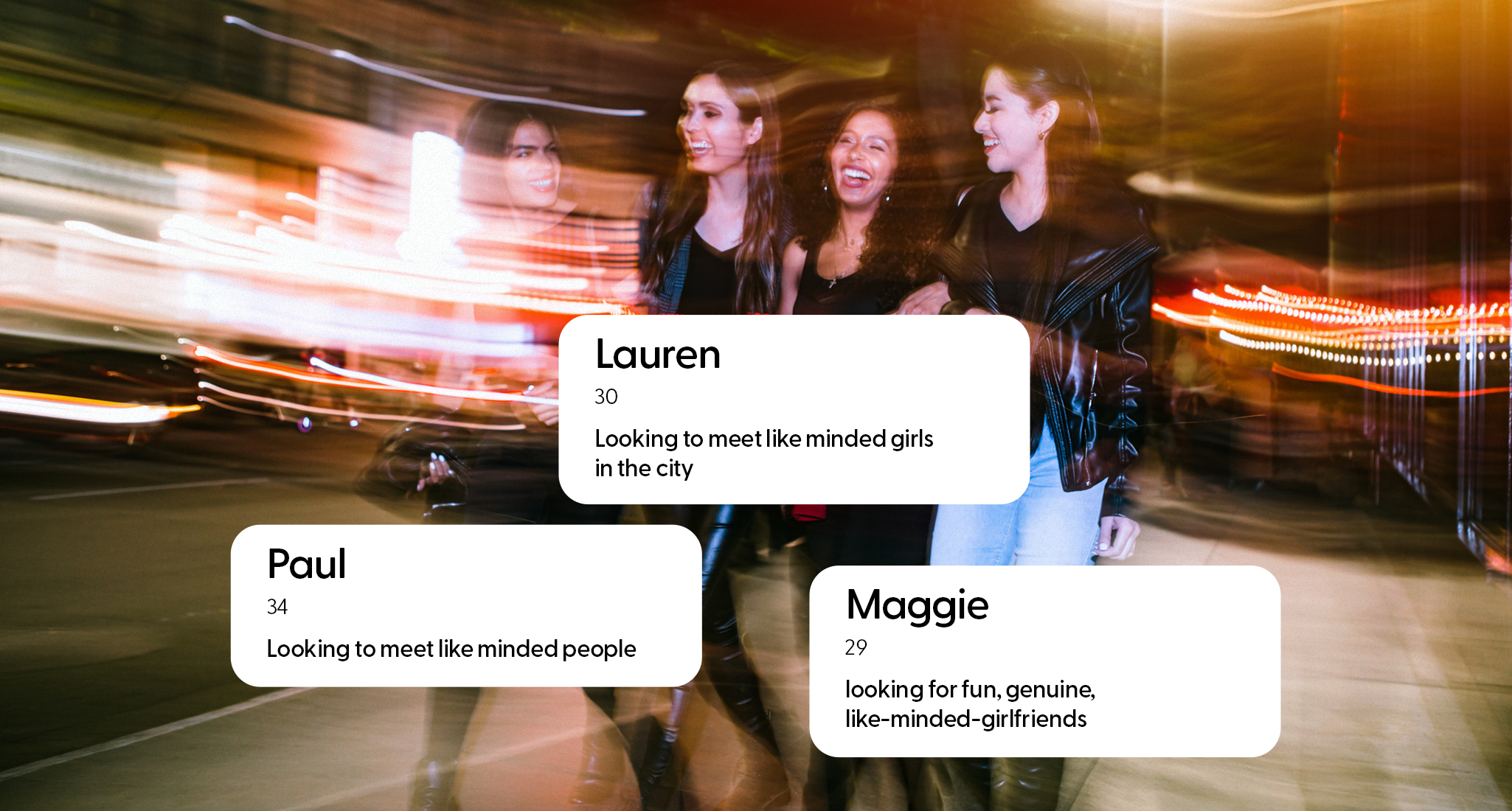
I’ve been scrolling on Bumble BFF lately. While I prefer to make friends offline, a former app I was using to run my book club was acquired by Bumble, and so now, between fluffy literary debates, I sometimes find myself scrolling through the endless profiles for a bit of mindless entertainment. One thing I couldn't help but notice was a two-word phrase that kept popping up. Like-minded. Each time, it stopps me in my tracks. Like-minded. It sounds nice. Easy. Conflict-free. And then I think, wait, I need to get out of my echo chamber. And not in a contra-dating way.
Now, before I go any further, let me get this straight. When I make the case for getting out of an echo chamber, I’m not making the rash declaration that the person you marry, or have a long-term partnership with, or become best friends with should clash with your ideals. (In fact, I’d make the opposite case, especially in marriage.) What I am getting at is that these people shouldn’t exclusively make up our circles.
For example, I spent a year living in the South, where my views often clashed with those of my new neighbors on topics such as healthcare, education and a bevy of other things. But I found that time paradoxically enriching, because the people I met were willing to exchange ideas and have a conversation. They wanted to know what I had to say, and I listened to them in turn.
In a more lighthearted way, take another example from Olivia Wilde’s 2018 movie Booksmart. Goody-two-shoes star student Molly assumes that the party kids are good-for-nothings and doesn’t associate them. (Your classic English teacher vs. gym teacher trope.) She’s then stunned that many of them are Ivy-league bound, despite their perceived delinquent ways. Who knows? If she had had more empathy and made an effort to get to know them, despite their differences, maybe her own high school trajectory would have turned out differently.