As soon as the teaser clips for Eugene Levy’s The Reluctant Traveler episode featuring Prince William started dropping, my curiosity was piqued. As former co-host of the Royally Obsessed podcast, which had me covering the Duke of Cambridge-turned-Prince of Wales’s every move in detail for over four years, I couldn’t help but notice there was something that felt different about his Apple TV+ interview with the former Schitt’s Creek star. William was relaxed, he was vulnerable, he was revealing. But after watching the episode in full, I’m now more convinced than ever that we just got a blueprint for what we can expect from William when he becomes king.
I Hosted a Royal Podcast for 4 Years and I *Never* Saw Prince William Do Anything Like This
The reluctant traveler, er, prince

Published Oct 11, 2025
•1:00pm
Apple TV+
Apple TV+
What I mean is this: Since 2020, when Prince Harry, alongside Meghan Markle, left their roles as senior royals, we saw William adopt his late grandmother, Queen Elizabeth II’s, go-to mindset and adage. “Never complain, never explain,” was her modus operandi. Staying quiet in the face of Harry and Meghan’s Oprah interview, followed by Harry’s 2023 memoir, Spare, underscored that PR choice. At the time, it felt like falling in line—Queen Elizabeth was still in charge for much of that time after all—but after she passed, William’s reluctance to get too personal continued. (It got him in hot water a couple of times, too.)
Princess Diana Archive/Getty Images
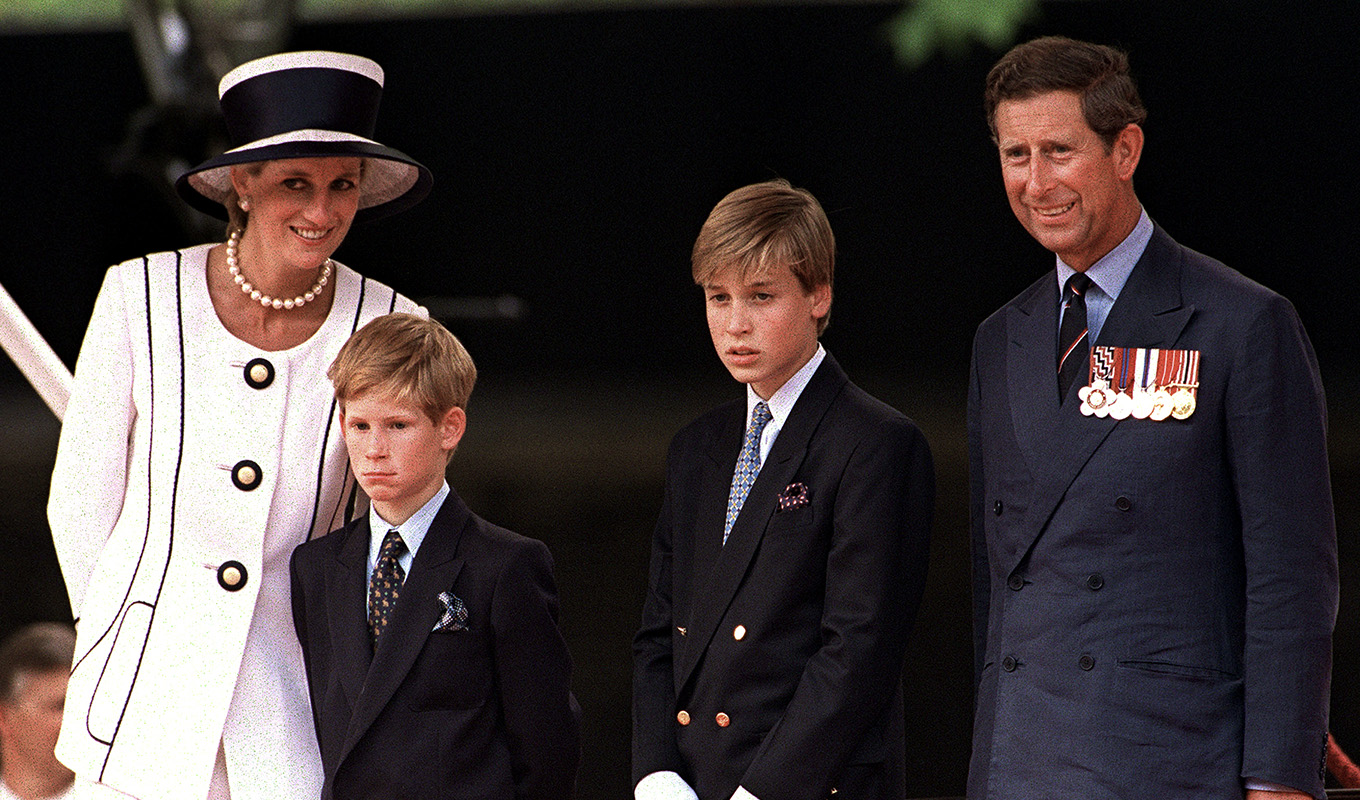
But the alternative wasn’t great either, especially—it seemed—from the perspective of the prince. Growing up, William had witnessed first-hand the unraveling of his parents’ marriage throughout the early 1990s. The late Princess Diana and then-Prince Charles often couldn’t hold back when it came to trading public barbs, granting interviews anonymously (as Diana did with Andrew Morton) or taking full and awkward ownership of their relationship breakdown as Charles did in a televised chat with Jonathan Dimbleby in 1994. (“Yes,” he famously confirmed while answering a question about his fidelity to Diana before revealing the opposite to be true once his marriage “became irretrievably broken down, us both having tried.”)
For her part, Diana tried the sit-down interview format, too, via the BBC’s Panorama program in 1995 (“there were three of us in this marriage, so it was a bit crowded,” she powerfully shared, referring to herself, Charles and the current Queen Camilla), though it was later discovered she was deceived into opening up.
Apple TV+
Altogether, the impact on William has been clear when it comes to the media—and even in the face of public interviews given about him by his brother, Harry: He hasn’t been all that keen to show his cards.
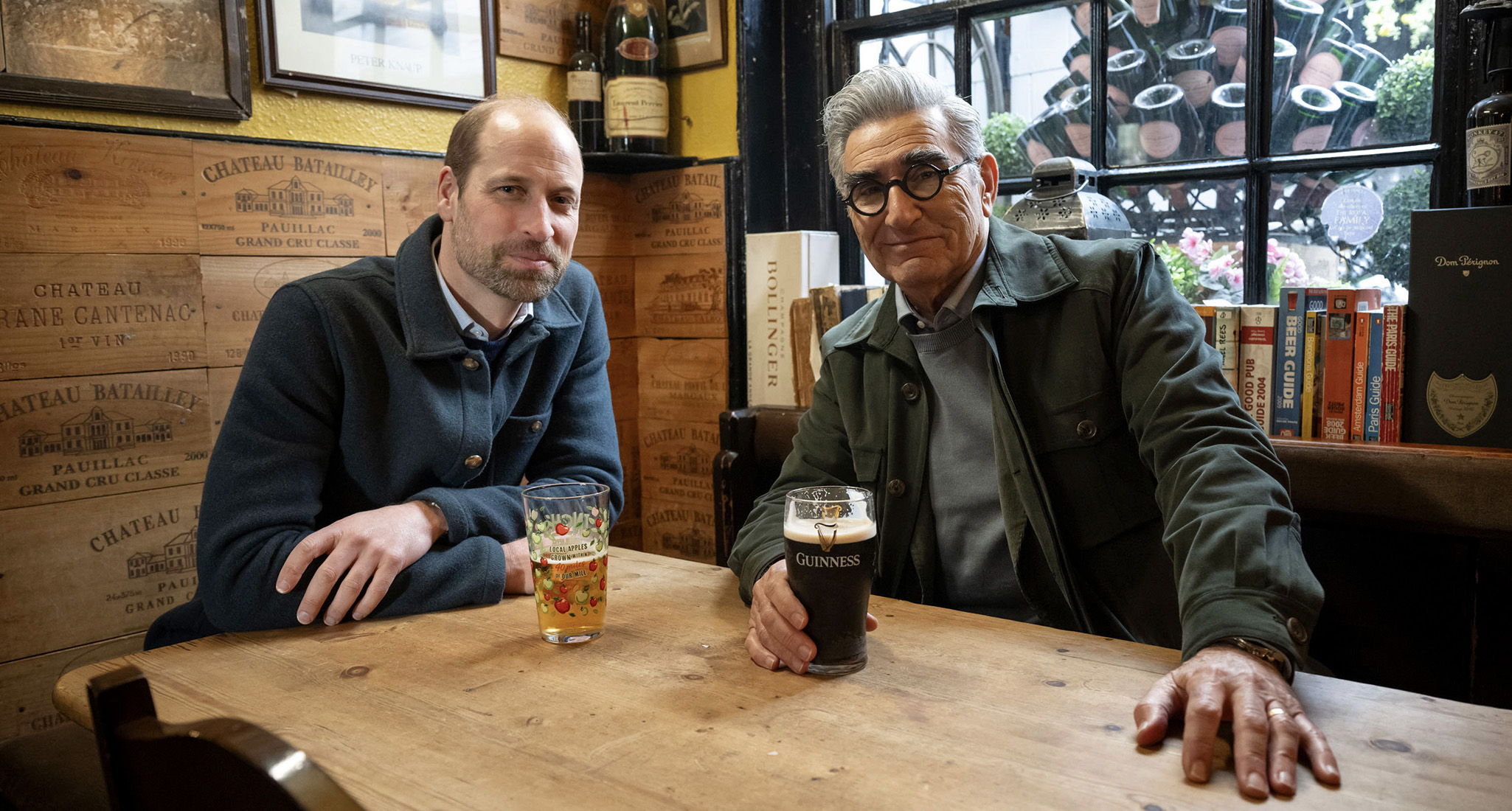
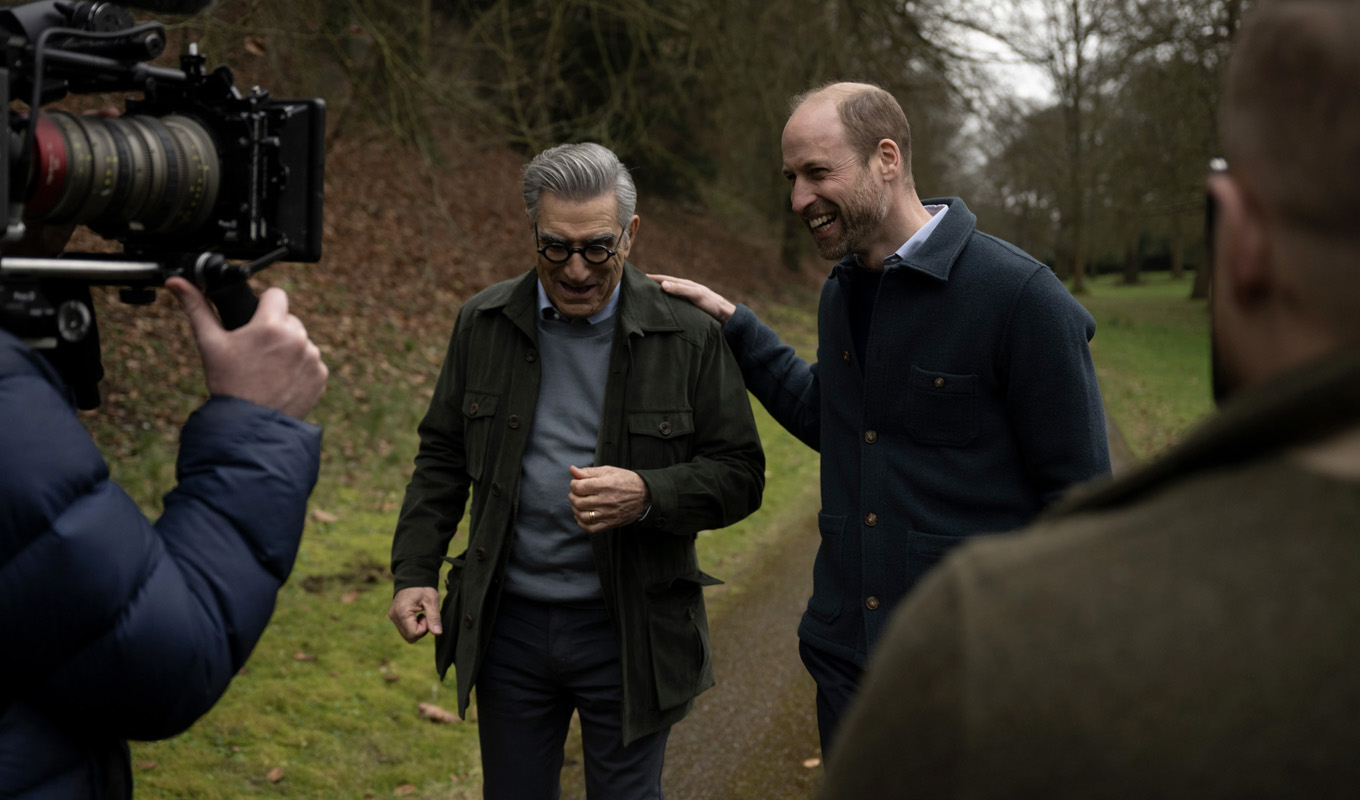
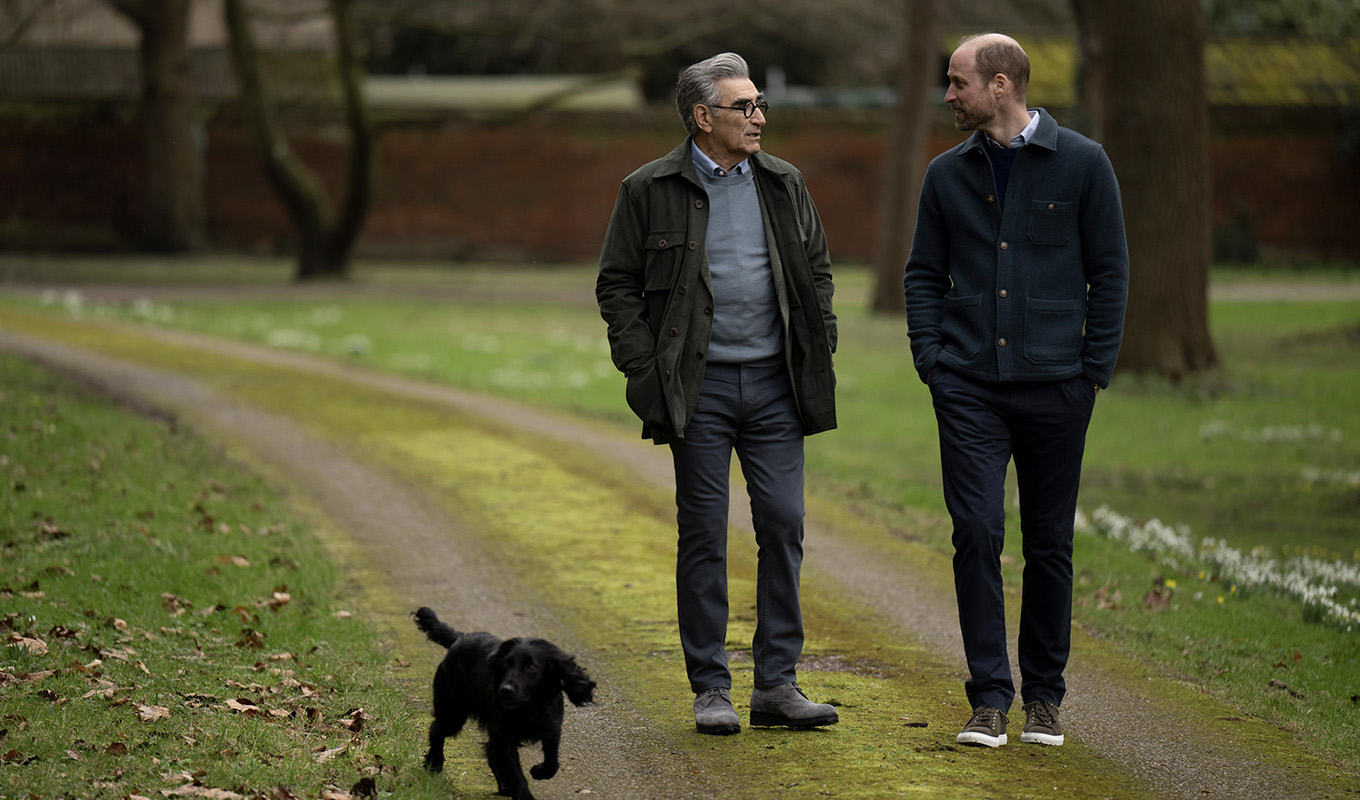
But that’s what caught me so off guard in his recent interview. The Reluctant Traveler, but specifically Levy—an actor and comedian—somehow helped a reluctant prince gain the confidence to open up. Through the lens of his show, we get to watch William bop around Windsor Castle on an electric scooter, tip back a pint at the local pub and even discuss his wife Kate Middleton’s cancer and his father’s ongoing illness. Not only that, he also mentions his upbringing with his brother Harry (it’s very brief, but it’s the first time I’ve heard William utter Harry’s name in years).
WPA Pool/Getty Images
Still, why now? Why this format? It was the question that felt most top of mind to me as I watched. As Roya Nikkhah, who is Royal Editor for the Sunday Times, shared on her podcast, called The Royals: “[William’s conversation with Eugene] was revelatory. It was extraordinary. And he’s chosen not to do it with the BBC,” she says.
Apple TV+ is still a strategic choice. It’s got a global audience of a billion, per Nikkhah. William also has a longstanding relationship with the platform, including Alison Kirkham, who’s head of Unscripted at Apple TV. (He participated in Time to Walk during the pandemic, an Apple Fitness+ off-shoot, which was well-received.) Bottom line: It appears the Prince of Wales has found himself a space that offers a degree of trust.
Then, there’s Levy. He’s not a journalist. But he is a dad and a rather disarming person overall. Throughout the episode, his questions come across as thoughtfully curious versus intrusive. Levy himself revealed after the fact that, no, the questions weren’t vetted, but it didn’t feel right to ask about Harry: “I had no interest in asking him about that, because it was, you know, a very delicate issue and certainly not up to me to get into it,” he told ITV News.
In fact, it seems that Levy’s own relatability—and effort to push himself beyond his comfort zone, the thesis for his explorations on the show—led William to spend 42 minutes doing the same. The results were countless royal revelations. (For example, the fact that it’s not William’s future role that overwhelms him, it’s family worries that overwhelm him—quite the vulnerable admission, after keeping calm and carrying on for the last few years.)
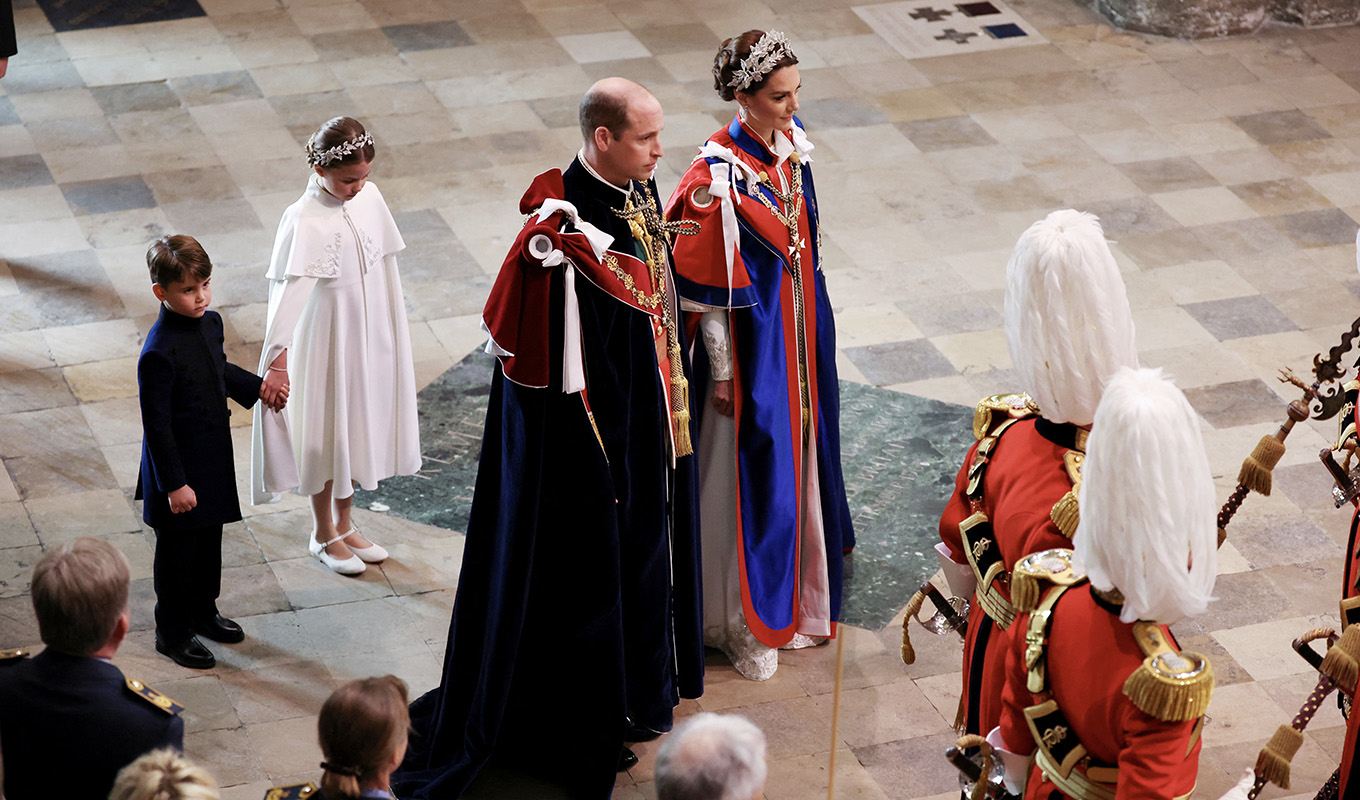
But that’s the overall magic of this conversation and why it may have offered the perfect outlet for William to present himself to the world, not as the global statesman or the environmental advocate or the untouchable royal waving from the Buckingham Palace balcony, but as a more accessible future monarch.
“For so long we’ve seen William and Kate, so perfect, never put a foot wrong,” Nikkhah says on her podcast. “And actually, that’s not always what you need in terms of PR. You know, you need to see who is this person.” The tricky part—and William’s goal, which was accomplished via Levy—is finding a way to do it on his own terms.