Every so often, a new skincare ingredient takes the beauty world by storm. Exosomes are the new buzzy ingredient that promises to repair, soothe and plump your skin. It’s popping up in serums, facial treatments and even being coined ‘botox in a bottle,’ but should we trust it? I asked three experts to weigh in on the rising trend and here’s what they *really* think.
Are Exosomes Really ‘Botox in a Bottle’? Here's What Derms Are Saying
The buzzy beauty trend in town
•
Published Jul 28, 2025
PureWow editors select every item that appears on this page, and some items may be gifted to us. Additionally, PureWow may earn compensation through affiliate links within the story. All prices are accurate upon date of publish. You can learn more about the affiliate process here.
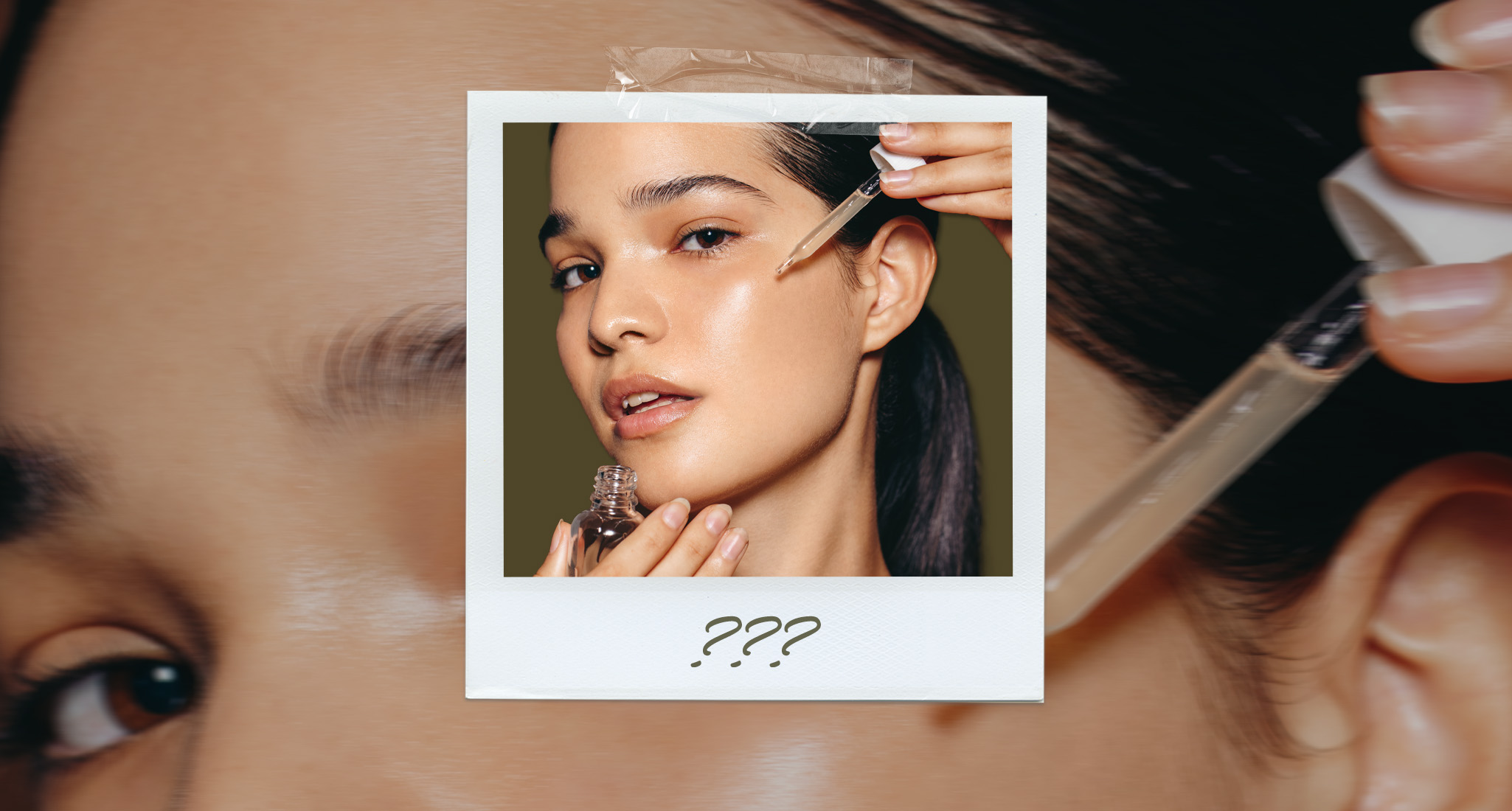
Getty Images
Meet the Experts
- Dr. Alexander Golberg is a double board-certified physician and founder of Dr. Golberg Functional and Aesthetic Medicine. With over 25 years of experience, he has become a trusted name among CEOs, public figures and longevity-focused patients seeking refined, non-surgical outcomes. He offers signature services including the Dr. G Lift, non-surgical rhinoplasty and NAD+ therapy.
- Pietro Simone is a world-renowned aesthetician and founder of the Pietro Simone skincare brand, known for blending advanced dermatological science with luxurious formulations and ethical innovation. With clinics in West Village and East Hampton, as well as residencies at prestigious locations like Meadowood Napa Valley, The Thompson Hotel, and Goop, he is celebrated for his longevity-focused approach to skincare.
- Dr. Angela Sturm is a double board-certified facial plastic surgeon with a decade of experience. She founded her practice to ensure a seamless, welcoming patient experience from start to finish. Dr. Sturm specializes in rhinoplasties, facelifts and non-surgical skin treatments.
What Are Exosomes?
Time put on your high school bio hat for a little refresher—one that I certainly needed. Dr. Golberg explains the biology: “Exosomes are microscopic messengers that tell your skin cells to regenerate, repair and reduce inflammation. In aesthetic medicine, we use them to enhance collagen production, refine texture and dramatically accelerate healing, particularly after microneedling, laser or PRF procedures. Think of them as precision repair agents for your skin.”
What Are the Benefits of Exosomes?
Exosomes aim to repair and regenerate your skin. As a result, it can help improve texture, reduce inflammation and minimize fine lines and wrinkles. “Beyond firming and smoothing skin, exosomes exhibit anti-inflammatory properties, helping to calm irritation, reduce redness and repair the skin’s barrier function. They have also been shown to accelerate wound healing—particularly following procedures such as microneedling or laser resurfacing—while minimizing downtime and maximizing skin regeneration. They also play a role in hydration and pigmentation balance, improving tone and radiance,” adds Simone.
How Do Exosomes Work?
Think of exosomes as a messenger for the active ingredients. They can help push your faves—like retinoids—to work better for your skin. Aside from at-home topicals, it’s become a hit among in-office treatments. Known as exosome therapy, it's a popular add-on. Just be prepared for the bill—treatments using exosomes can range from $800 to $9,000, according to Simone. “It’s definitely worth it for anyone looking to improve their skin longevity. Benefits include deep absorption postmicroneedling, laser-like rejuvenation without harsh resurfacing and enhanced collagen production, hydration, tone and reduced downtime,” he adds.
Are Exosomes Better Than Botox?
If you’re wondering if it’s ‘Botox in a bottle’ or even better than Botox, the experts I interviewed say they can actually work together to target your skin concerns. “They do different things, so I like using them together. Botox keeps you from making repetitive movements, while treating and preventing fine lines, particularly on the forehead and around the eyes,” explains Dr. Sturm. “Meanwhile exosomes can improve the overall appearance of your skin, but will not keep deep lines from forming if you make certain facial expressions frequently.”
OK, What About Retinols?
“They’re not interchangeable. They do different things. Retinol increases cell turnover, which can lead to flaking or irritation. Exosomes support cellular regeneration in a much calmer, more reparative way. In my protocols, we often use both—strategically and sequentially,” says Dr. Golberg.
Are Exosomes Safe for Skin?
Although some studies have shown exosomes to be a great addition to our skincare, there is still more research and clinical trials needed to prove exosomes are safe for skin. According to Dr. Golberg, the biggest issue is quality control. Exosome products currently haven’t been regulated and cleared by the Food & Drug Administration.
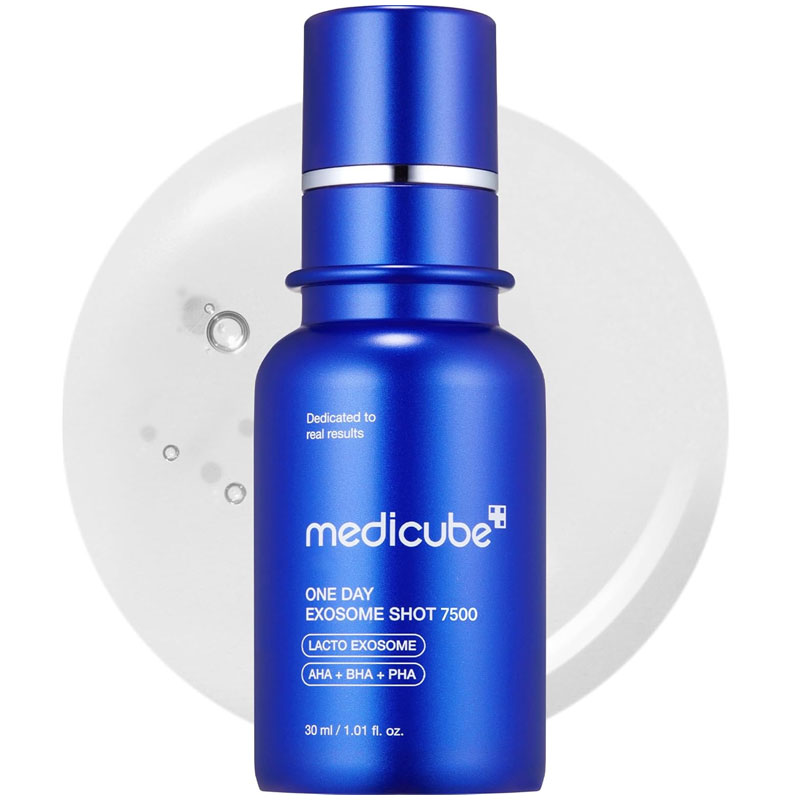
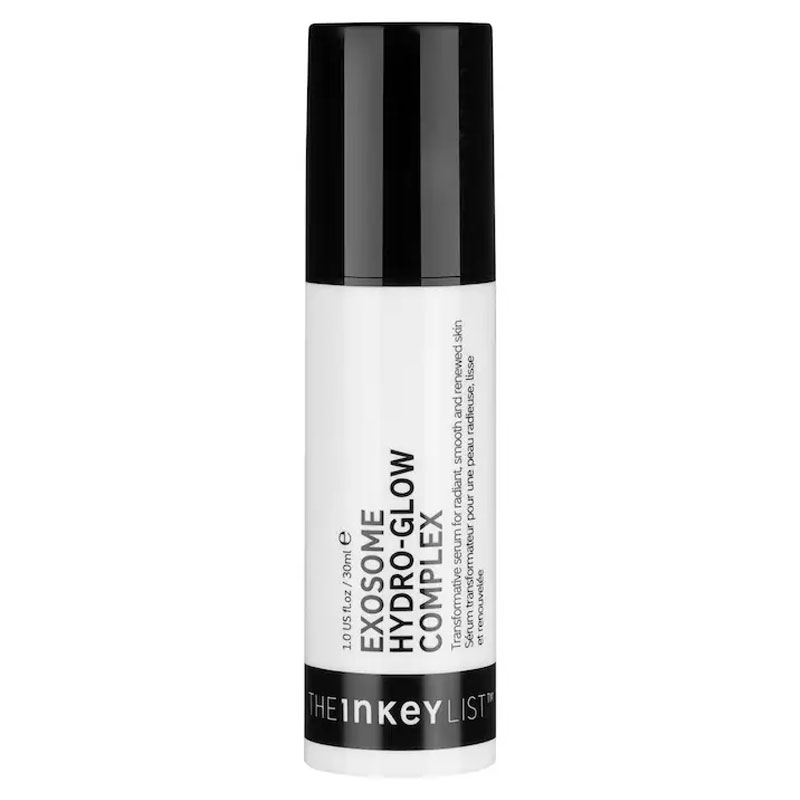
If you do want to move forward in adding exosomes in your routine, the experts point out that not all formulas are the same as they can be derived from humans, plants or animals. The experts suggest speaking with a medical professional before applying a topical serum or scheduling an facial treatment. Thankfully, there are a few tried-and-true brands (like Medicube, The Inkey List, SkinMedica and even Simone himself, to name a few) that have put in the work to make gentle formulas with long-lasting results.
“In general, most people don’t understand that exosomes are just a vessel, and the contents are what makes changes in the cells that they interact with. So, these vessels can be used for delivering messages that can improve the health of the cell, but they can also be used by the body in disease processes to spread those processes,” notes Dr. Sturm. “The studies about exosomes vary widely from cancer research to skincare, so what is true for one use of exosomes is not true for another because of the messenger that is inside.”
Who Should Use Exosomes?
The experts say that folks with most skin types can try exosomes. As Simone explains, “People with aging or sun-damaged, post-procedure or sensitive skin are ideal candidates for exosomes. They can benefit from the collagen‑boosting and cell‑renewal of exosomes. It can also calm inflammation and boost healing after microneedling, lasers, etc… and their anti‑inflammatory effects may ease conditions like dermatitis.” However, those with a history of skin cancer, an autoimmune disorder, pregnant or breastfeeding should avoid testing it out as there aren’t enough studies to indicate this is safe for use.
How Often Should You Use Exosomes?
According to the experts I’ve interviewed, it depends on the product, how they’re used and your skin. If you’re using topical serum, it’s recommended once or twice daily. But if you’re looking for an in-office treatment, Simone suggests treatments every four to six weeks or even 12 weeks. “This timing is not arbitrary—it mirrors the remodeling skin cycle, allowing the exosomes to deeply integrate post-procedure (e.g., microneedling or dermal infusion) and drive rejuvenation, tissue repair and microvascular renewal,” he explains.
While there are still some clinical trials and regulations that need to be made (and it probably still won’t beat retinol as the top spot) there is room for growth so don’t disregard exosomes just yet. As Dr. Golberg concludes, “The source matters more than the hype.”
Shop Exosome Serums
Why You Should Trust Us
PureWow's editors and writers have spent more than a decade shopping online, digging through sales and putting our home goods, beauty finds, wellness picks and more through the wringer—all to help you determine which are actually worth your hard-earned cash. From our PureWow100 series (where we rank items on a 100-point scale) to our painstakingly curated lists of fashion, beauty, cooking, home and family picks, you can trust that our recommendations have been thoroughly vetted for function, aesthetics and innovation. Whether you're looking for travel-size hair dryers you can take on-the-go or women’s walking shoes that won’t hurt your feet, we’ve got you covered.