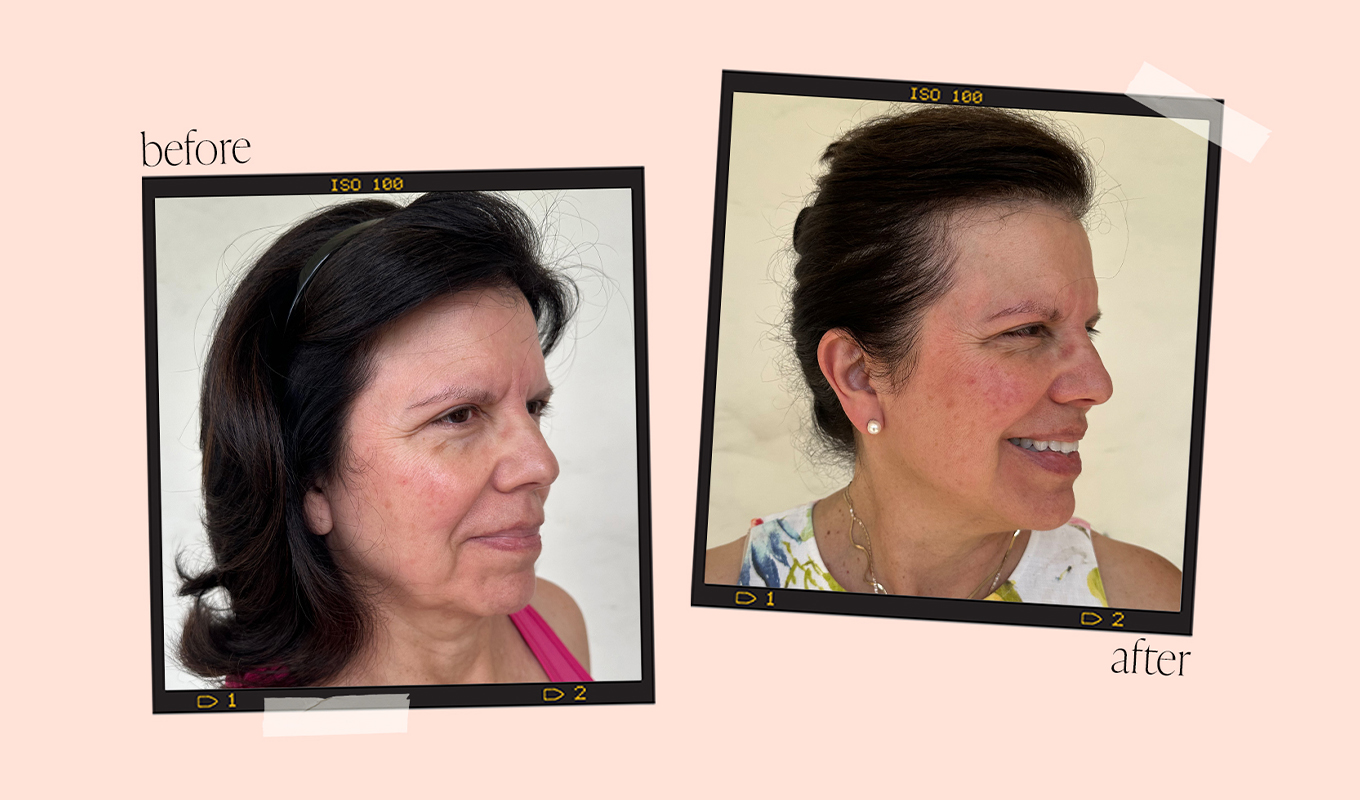
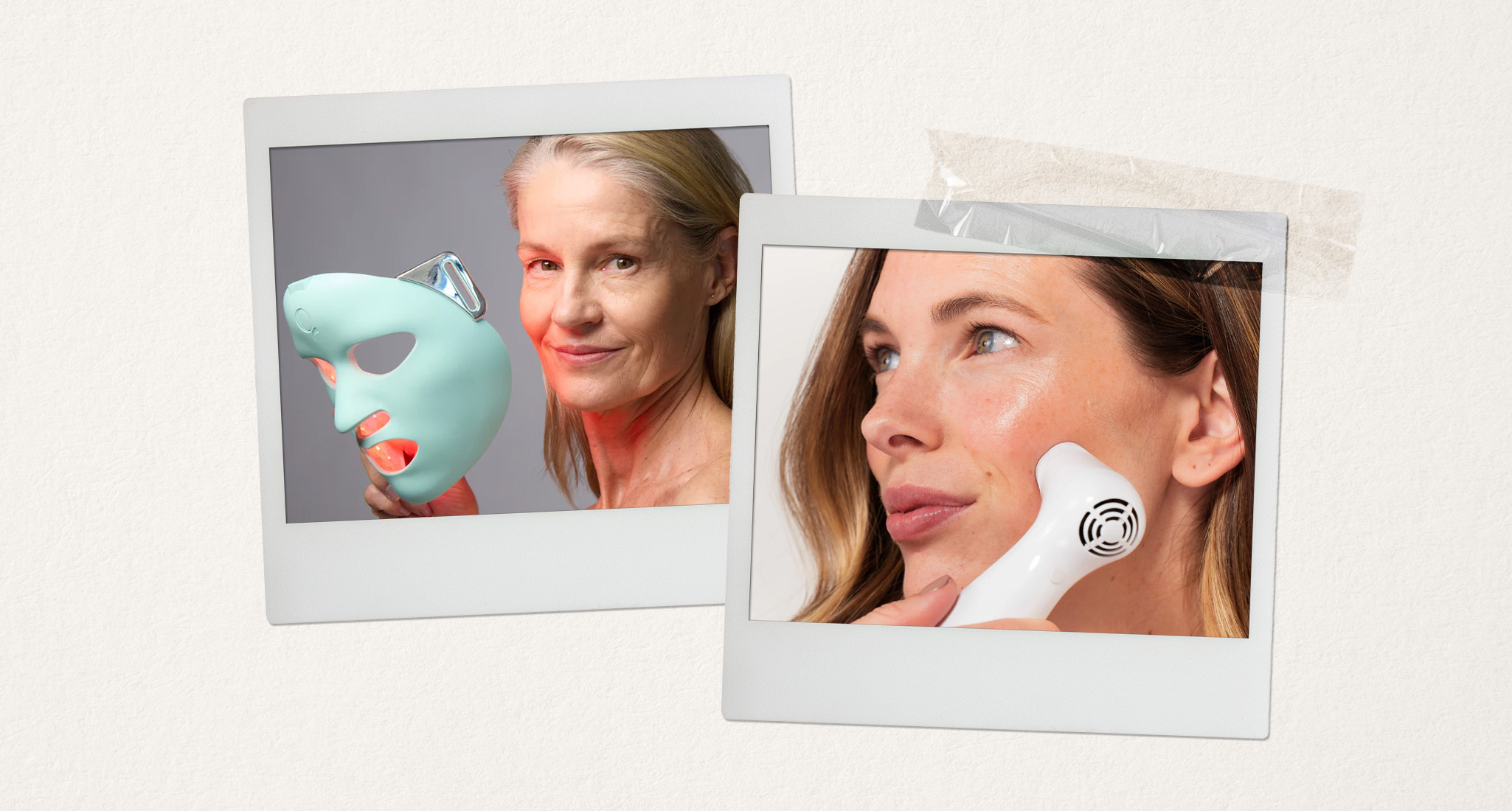
A few years ago, everyone was clamoring for a red light therapy mask—something that remains popular as we lean into the beauty tech space. However, this past year a new category flew on my radar: at-home laser devices. (And no, not for hair removal.) As a beauty writer, I get tons of pitches about the latest and greatest innovations, and this was one that truly felt…innovative. I had first heard of it last year when Carrie Mulligan raved about her Lyma laser for a Vogue “Beauty Secrets” video. Given that her particular model retails for nearly $6,000, I brushed it off. This year, the convo picked up as more affordable offerings created chatter. It got me wondering—what’s the difference between red light therapy and laser therapy? Are lasers the new red light? I spoke with two dermatologists to find out how the tech differs and which one you should choose to invest in. Plus, PureWow editors tested several red light therapy masks and at-home laser devices (with before and after photos!) to see which ones lived up to the hype.
Are At-Home Lasers Better Than Red Light Therapy? Here’s How the Treatments Compare
Which skincare tech should you invest in?

PureWow editors select every item that appears on this page, and some items may be gifted to us. Additionally, PureWow may earn compensation through affiliate links within the story. All prices are accurate upon date of publish. You can learn more about the affiliate process here.
Meet the Experts
- Daniel P. Friedmann, M.D. is a fellowship-trained, board-certified dermatologist and phlebologist at Westlake Dermatology and Clinical Research Director of the Westlake Dermatology Clinical Research Center. Dr. Friedmann completed his dermatology residency at the East Carolina University Brody School of Medicine Division of Dermatology in Greenville, North Carolina and served as chief resident during his final year. Dr. Friedmann subsequently completed a cosmetic surgery fellowship sponsored by the American Academy of Cosmetic Surgery at Goldman Butterwick Fitzpatrick Groff & Fabi, Cosmetic Laser Dermatology in San Diego, California.
- Dr. Whitney Hovenic is a double board-certified dermatologist and Mohs micrographic dermatologic surgeon based in Reno, Nevada. She holds a degree from the University of Nevada School of Medicine and completed her residency at the University of Missouri. Dr. Hovenic specializes in Mohs surgery and skin cancer but also practices general dermatology with a special interest in acne, eczema, psoriasis, cosmetic dermatology and the use of lasers for medical and cosmetic purposes. She is also the co-founder of suncare brand Spooge.
The TL;DR: At-Home Lasers
Lasers are actually a common in-office dermatology treatment. There are generally three types: ablative, non-ablative and fractional lasers. In the context of available at-home facial laser devices, we are talking about non-ablative (works beneath the skin, doesn’t remove outer layer), non-fractional (targets a general area) technology, like Nira and celeb-fave Lyma.
“Lasers use focused light energy to create controlled micro-injury in the skin,” Dr. Hovenic explains. “Even though they’re much gentler than in-office lasers, they still create tiny disruptions in the skin that trigger collagen production and renewal.”
This technology claims to address fine lines, uneven texture, dullness and mild pigmentation. It requires consistent use over several weeks, minimum, to see results. Dr. Hovenic says that you’ll generally see quicker, more visible results versus using red light therapy. “While the results won’t be as dramatic as in-office treatments, users often see smoother, firmer, more refined skin over time,” she adds.
Before you dive in, there are side effects to be aware of. Dr. Hovenic cautions that lasers can cause temporary redness, dryness or flaking. It’s also paramount to follow a device’s instructions—you can burn yourself. (And I’m speaking from experience.)
The TL;DR: Red Light Therapy Masks
Red light therapy masks use red and infrared wavelengths (typically between 620nm and 1mm) to treat inflammation. These low-energy wavelengths stimulate collagen production without causing injury, Dr. Hovenic explains.
“Red light therapy has very few risks but also offers mild results and requires long-term consistency to see any change. [It] offers more subtle improvements—enhancing skin radiance, calming inflammation and gently softening fine lines, but it’s best thought of as a maintenance treatment rather than a transformative one.”
While dermatologists I’ve spoken with caution against stacking beauty tech treatments, this is one that actually pairs well with something more intense like a laser because it focuses on anti-inflammation.
At Home Lasers vs. Red Light Masks
When it comes to visible results, I can attest from personal experience that at-home lasers have produced more dramatic changes. Dr. Hovenic agrees, saying: “Red light therapy delivers more subtle benefits and requires consistent use over weeks to months. Many at-home devices also don’t deliver enough energy to make a noticeable difference. It’s also an excellent complement to laser procedures, helping reduce downtime and extend the benefits of your results. [But it] is much gentler and safe for most skin types.”
In short, lasers will give more noticeable improvement, but can initially irritate the skin. They use focused light energy to stimulate collagen production. Per Dr. Hovenic, they are actively resurfacing and repairing the skin.
Meanwhile, red light therapy is best for maintenance and has fewer risks. They’re best for supporting and maintaining results achieved by other therapies, like lasers. Dr. Hovenic sums it up like this: “Lasers are better for correcting; red light is better for maintaining.”
Who’s It For?
Most people can use both devices, but best practice is to always consult your own dermatologist before proceeding.
In general, those with sensitive skin (including acne) and deeper skin tones will want to proceed with caution. Dr. Hovenic cautions that some at-home lasers can increase hyperpigmentation. You should also skip the laser if you’re recently tanned or are pregnant.
As for red light therapy, all skin tones and types can use it, but if you have a photosensitive skin condition, are taking photosensitizing medication or have an active condition like a rash, you should wait until the issue is resolved before trying it.
The Bottom Line
Both red light therapy and laser therapy can help improve your skin, but there are caveats. Dr. Friedmann cautions that most devices have not been extensively studied, and “FDA clearance” doesn’t require the same amount of rigor as “FDA approved.”
“We know that laser technology and red light could produce skin benefits at sufficient dosages,” he says. “But it’s hard to say if these at-home devices achieve anything remotely close to that, since there are almost no clinical trials published about them.”
If you’re curious about the tech, just know that you’ll need to commit to consistency to see any results, which will also be on the modest side. (Truth: A plastic surgeon once bluntly told me that if you want plastic surgery- or injection-level results, you just have to do the thing.) That being said, Dr. Friedmann notes that “Patients who have significant skin discoloration, wrinkles/fine lines or skin sagging are unlikely to be happy with the results of these at-home devices.” The flip side is that in-office treatments can be pricey, but if you’re willing to put in the time at home, investing in one device will eventually pay for itself over time. Below, I’ve listed four tools PureWow editors have extensively tested—and that have actually produced results.
Shop the Editors’ Picks
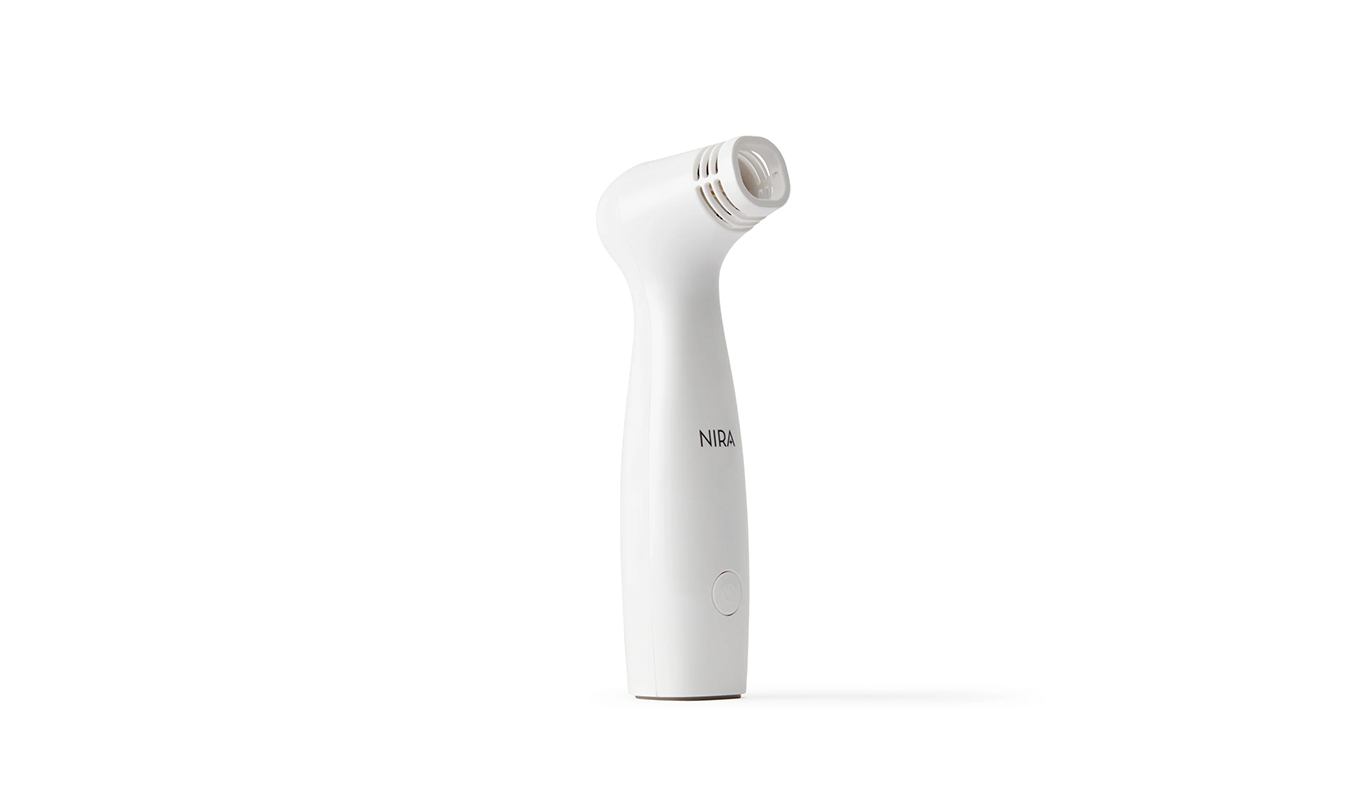
1. NIRA Pro Laser
NIRA
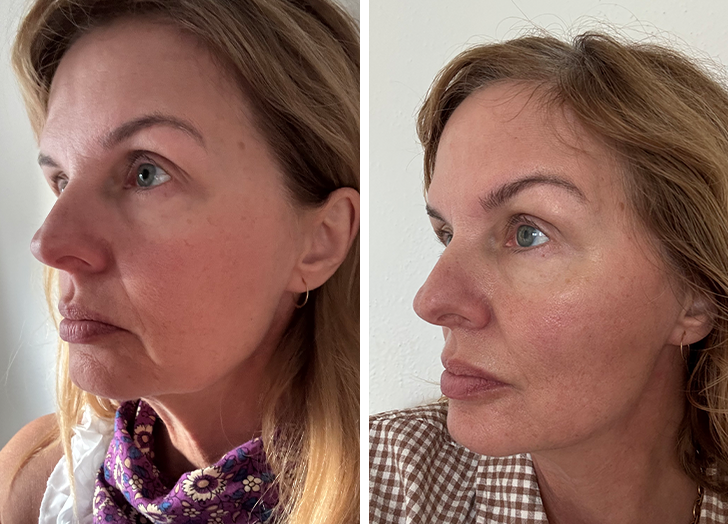
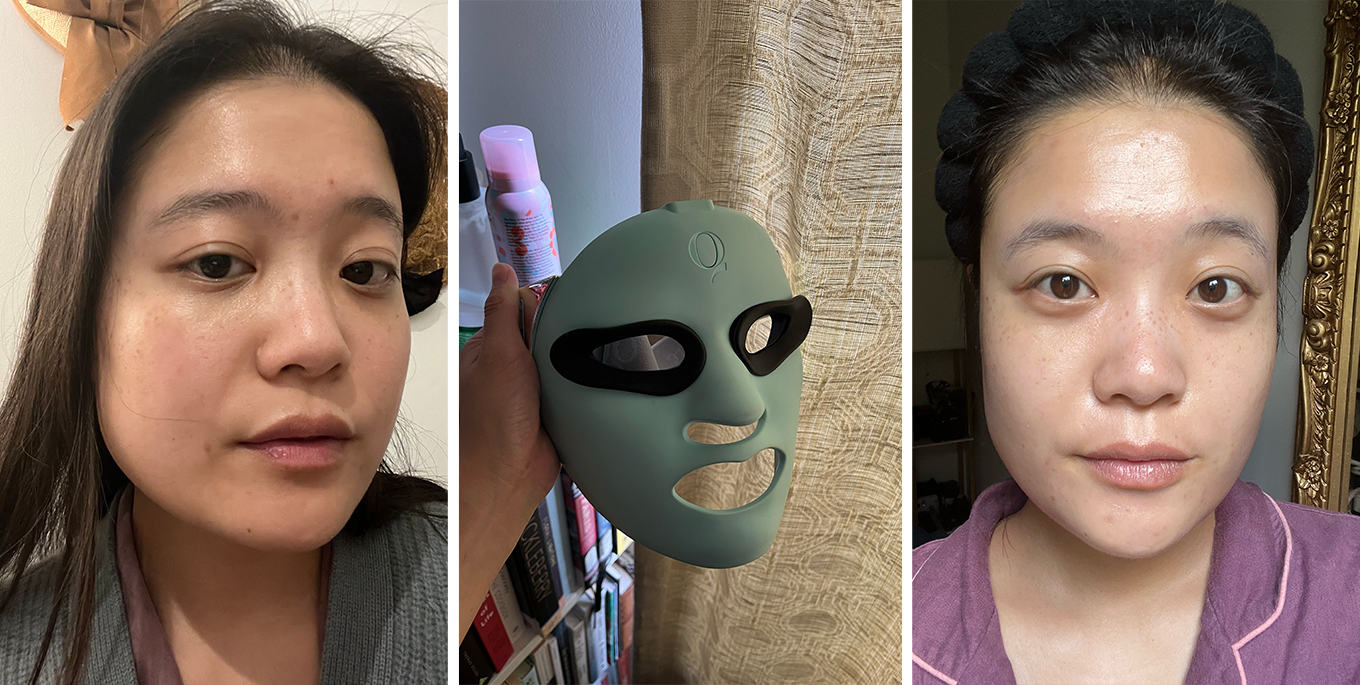
I was admittedly skeptical when I enlisted PureWow Senior Editor (and Gen X-er) Dana Dickey to test the NIRA Pro laser with me. However, after 12 weeks, I ate my hat. The laser’s claim to fame—aside from being 35 percent faster and 50 percent more powerful than its predecessor—is that it will dramatically reduce the appearance of fine lines and wrinkles. Thanks to the larger surface area, you can do your entire face in about two minutes. Dickey’s results were particularly impressive, with dramatic improvement in her marionette lines around her mouth.
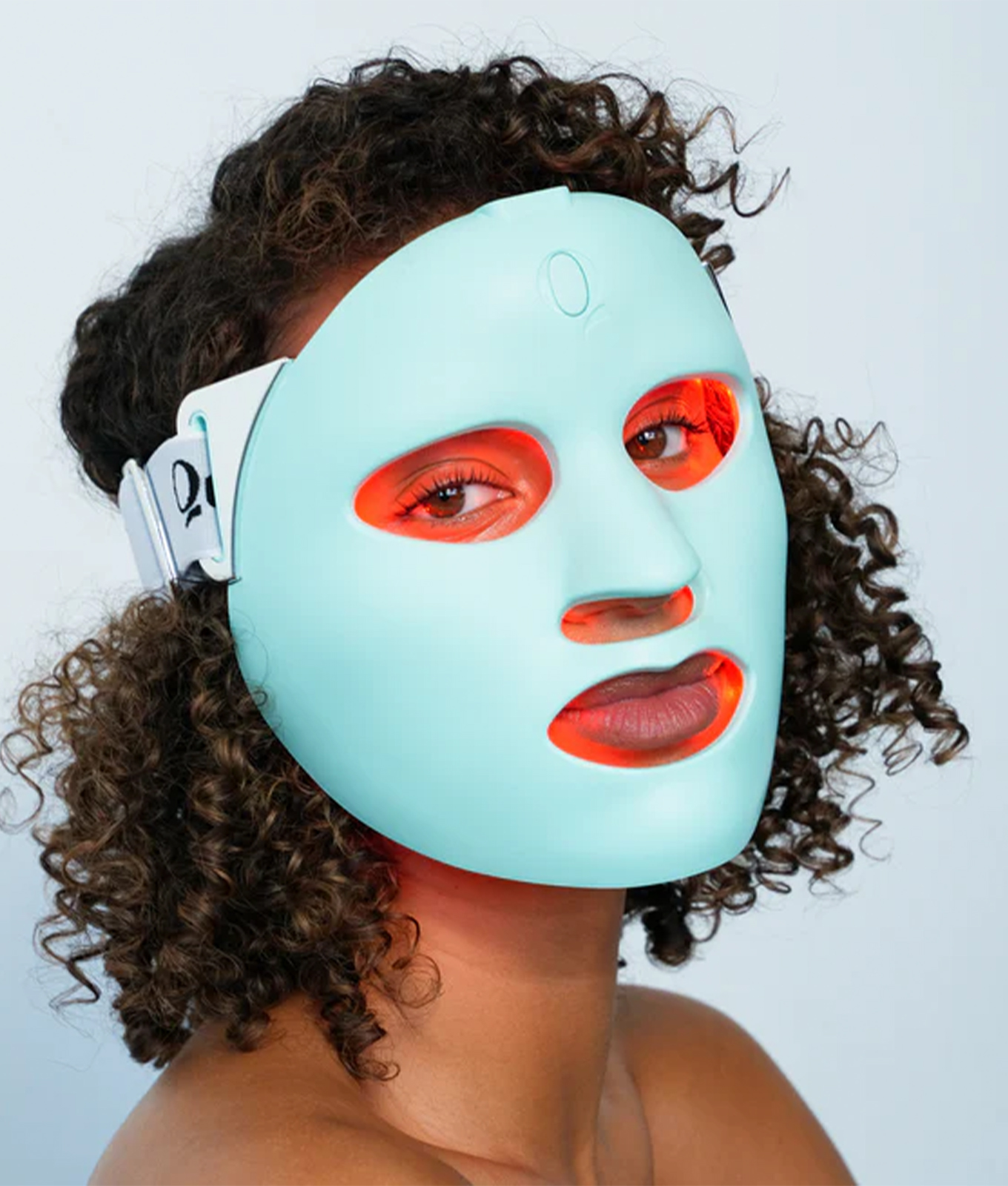
I’ve had the Qure Q-Rejuvalight Pro for a couple years and like to use it as a nightcap after I’ve done a NIRA session. As someone who can’t sit still, I love that this mask is hands-free with a three-minute treatment time. There are two light modes, red and blue (an alternative light therapy that TKTK). If you connect to the app, you can customize treatments for a mix of both lights, otherwise, the single button allows you to quickly toggle between the two. I found that using the mask regularly can help fade dark spots left behind by acne.
3. Lyma Laser
Lyma
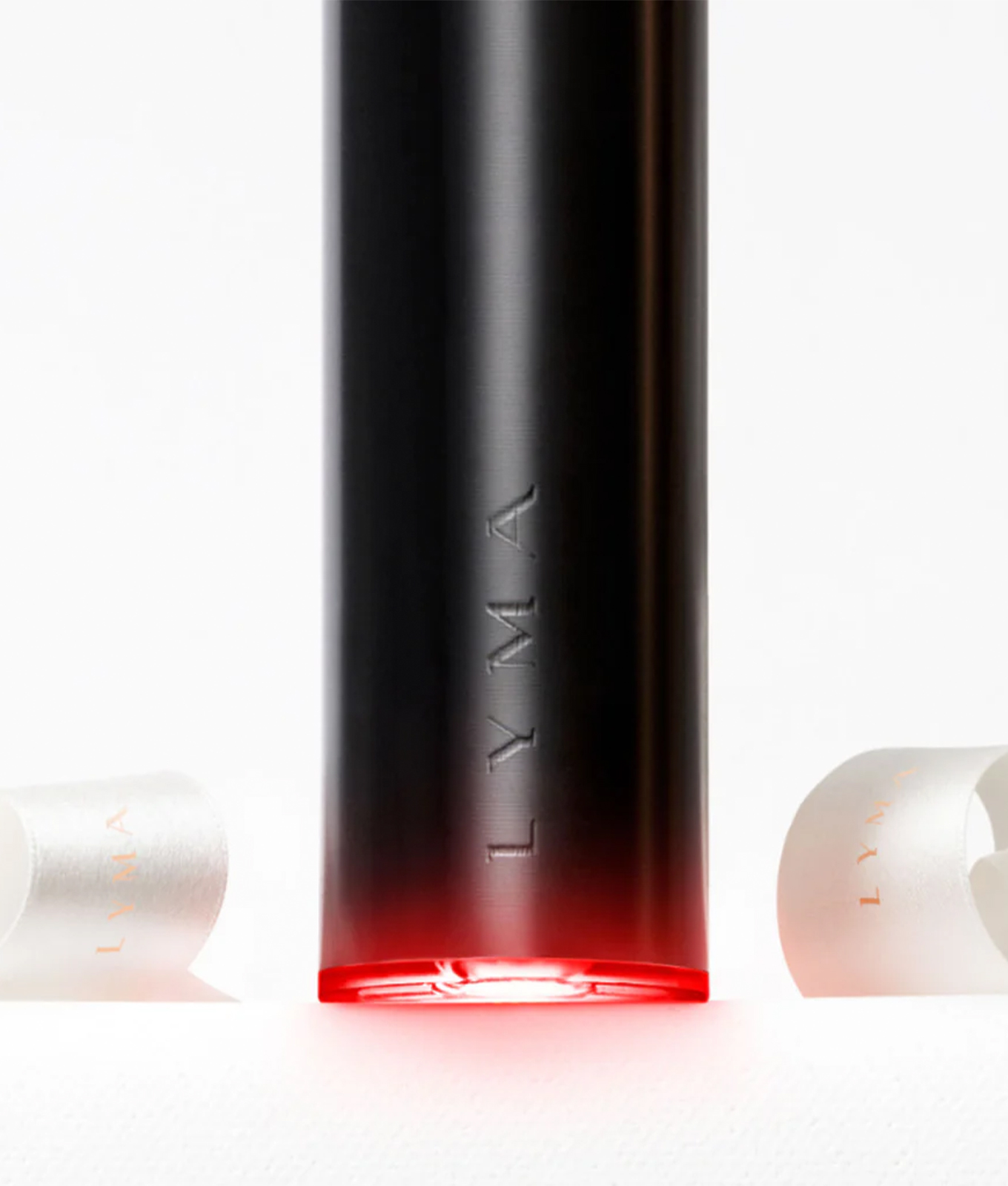
PureWow Senior Commerce Editor Stephanie Maida tried the celeb-approved Lyma laser, a cold laser that actually purports to simulate repair without damaging the skin first. After 40 days of testing, here are her results:
“Immediately after each use, my skin does feel softer and smoother, and there’s zero redness or irritation. My skin no longer gets dry and flaky, and the dark patch of dry skin on my forehead—along with the fine lines running across it—have definitely begun to fade. I will usually get hormonal breakouts along my jawline leading up to the that time of the month, but those, too, have mostly dissipated; instead of getting big, painful blemishes beneath the surface of my chin, I only recently had a small spot pop up; I ran the laser over it and it was gone in a day.” She also reported an improvement in her nasolabial folds and jowl area, but notes that you have to be really consistent with treatments, holding the laser in each area of concern for a at least three minutes before moving on.
Finally, it's worth nothing that the Lyma is a cold laser (as opposed to NIRA, which runs hot), and an expert Maida spoke to said that it's specifically designed to not cause trauma to skin, but rather "trigger mitochondrial stimulation deep in the cells."
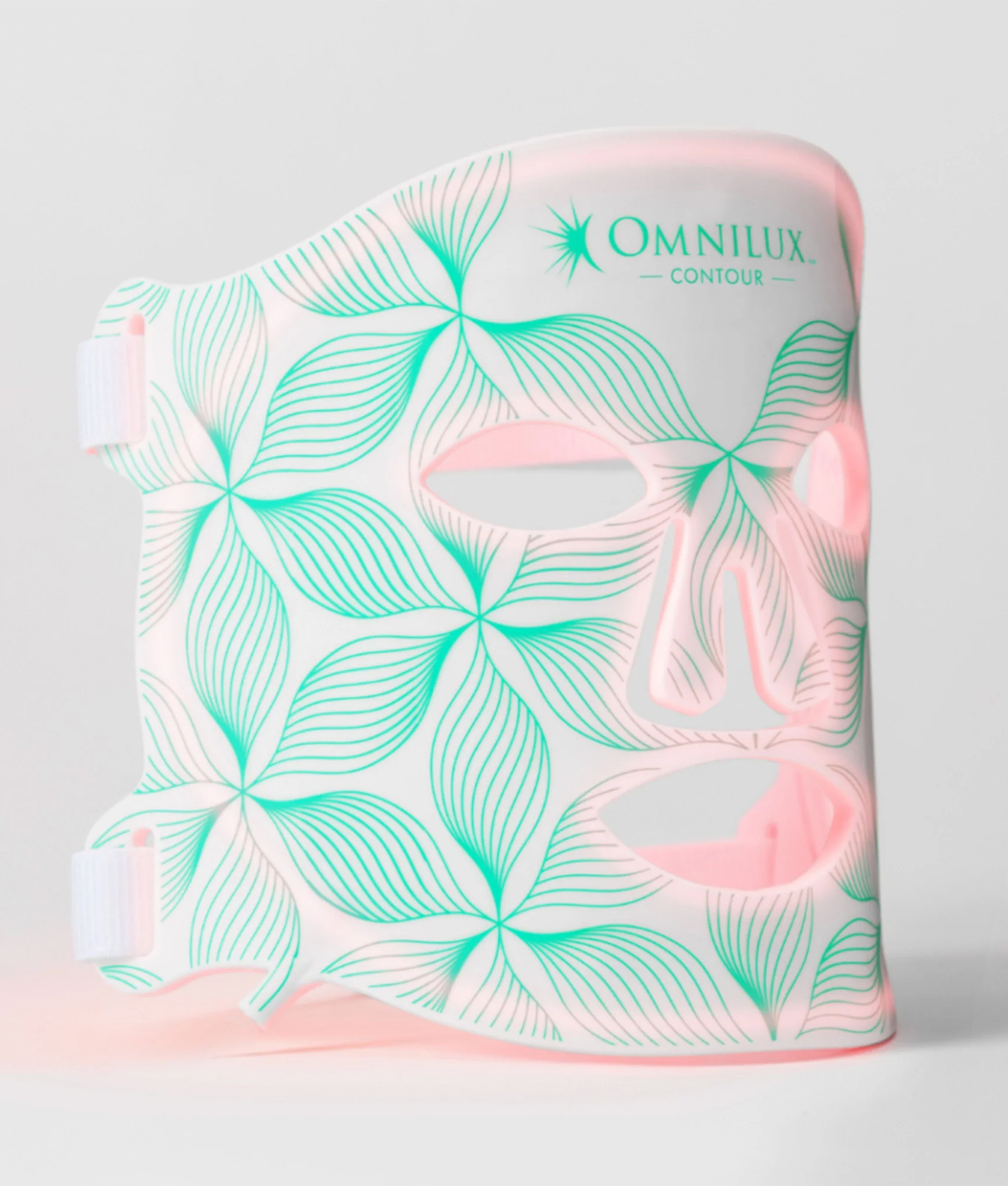
4. Omnilux Contour Face Red Light Mask
Omnilux
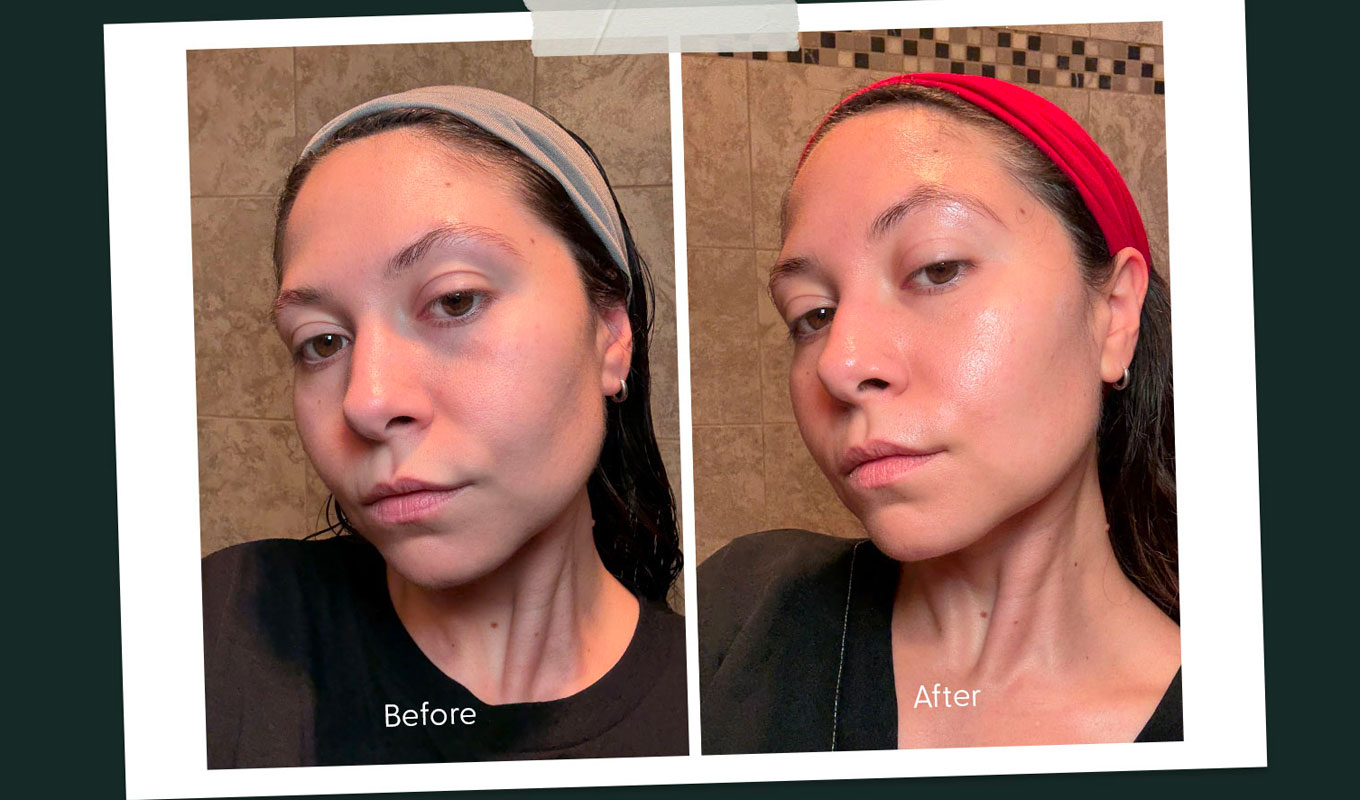
Former PureWow Associate Fashion Commerce Editor Stephanie Meraz’s mom tested the Omnilux Contour Face mask. Meraz’s mom is in her 60s and hoped the mask would address her sunspots, fine lines and wrinkles. After the three-month testing period, she reported: “I definitely see less wrinkles and am very impressed with my jawline area. The most noticeable change was in the saggy skin around the mouthline, which was great to see. I noticed that the skin there is less saggy! I don’t think it helped with any spots or pigmentation issues, but it definitely helped with wrinkles and texture. For someone who [doesn’t want to] see a plastic surgeon, this mask is helpful.”