Gen Z, Millennial and Gen X Editors Tried NuDerma’s High-Frequency Wand— Here Are Our Unfiltered Thoughts

Zap zap zap

PureWow editors select every item that appears on this page, and some items may be gifted to us. Additionally, PureWow may earn compensation through affiliate links within the story. All prices are accurate upon date of publish. You can learn more about the affiliate process here.

nuderma high frequency wand review
original photos by marissa wu
  • Ease of Use: 17/20
  • Efficacy: 15/20
  • Comfort: 19/20
  • Aesthetics: 18/20
  • Value: 15/20

Total: 84/100

Lyma lasers, microcurrent devices, red light therapy masks, oh my! There’s no shortage of at-home beauty tech treatments to choose from. If you’ve ever been in an esthetician’s studio, chances are you’ve at least seen a high-frequency wand—or had it used in your routine. And, like the rest of these once-only-professionally-used devices, there are now ones marketed for at-home use. It purports to increase absorption of skincare products, stimulate collagen production, boost circulation and reduce breakouts and inflammation. Curious, I, a Gen Z-er, roped in a Millennial and Gen X-er to try the popular NuDerma high-frequency wand (from $90; $72) with me. Additionally, I spoke with several experts to understand how the technology works and how effective it really is in an at-home setting. Here are our thoughts after weeks of testing.

Meet the Experts

What Is the NuDerma High-Frequency Wand?

What We Like

  • helps clear acne
  • calms irritation

What We Don't Like

  • treatment is surface level and short-term

Pure Daily

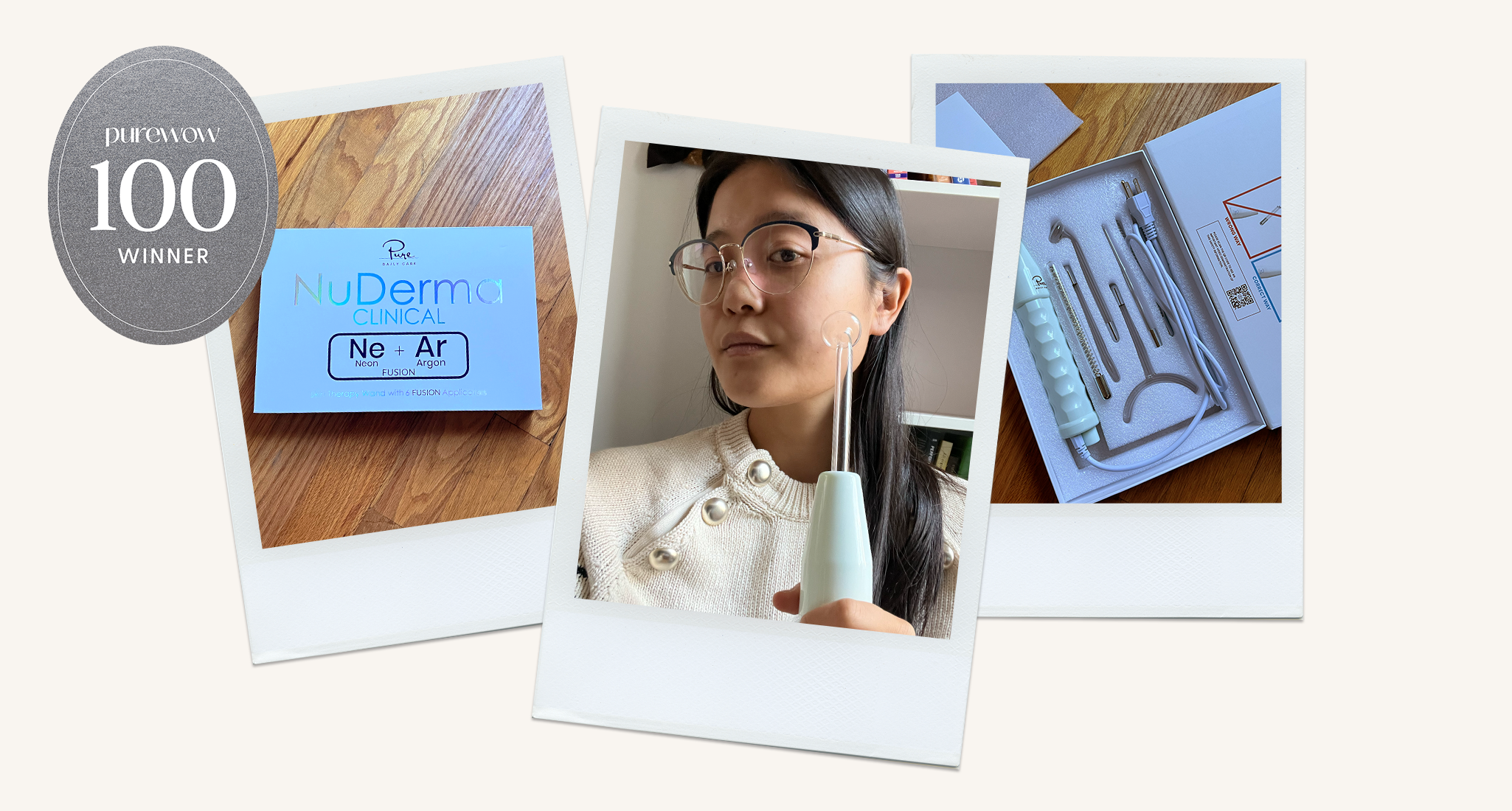
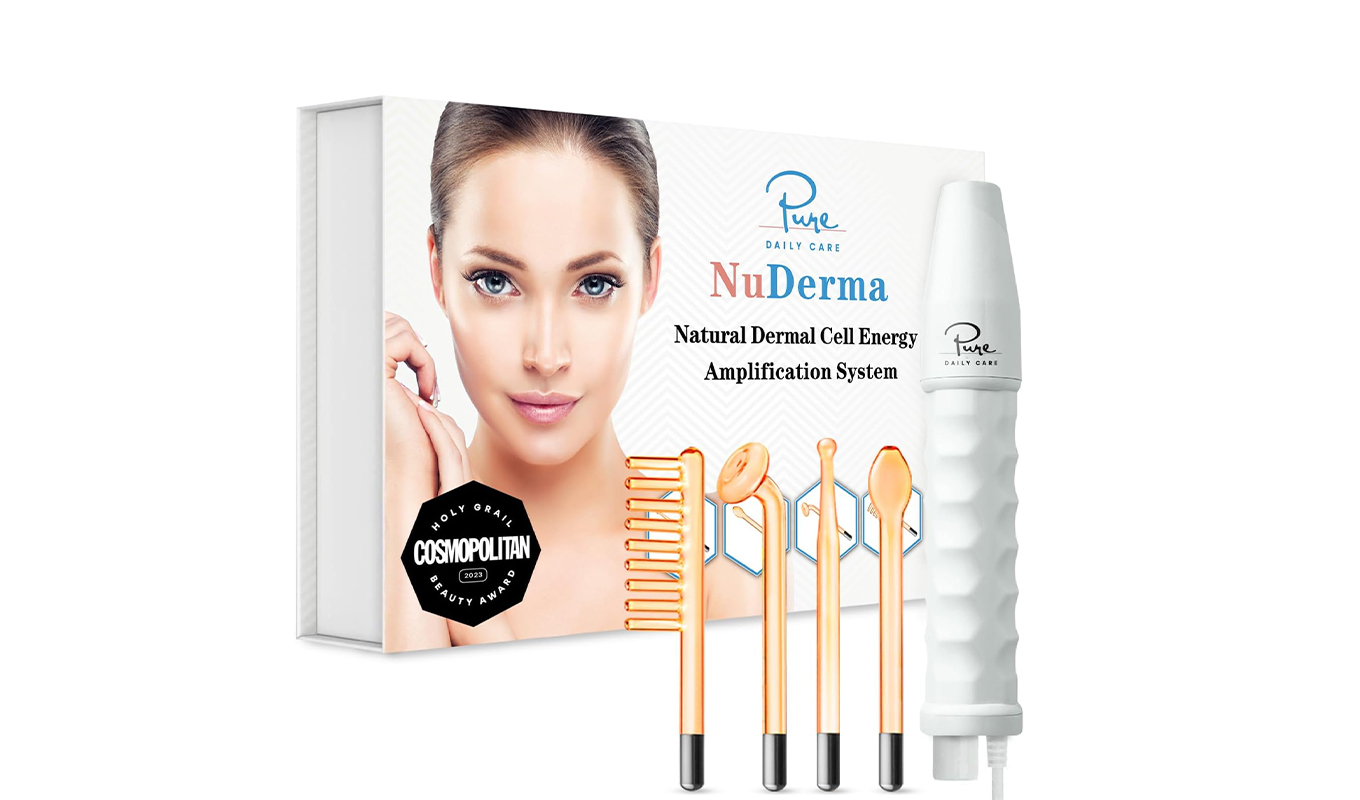
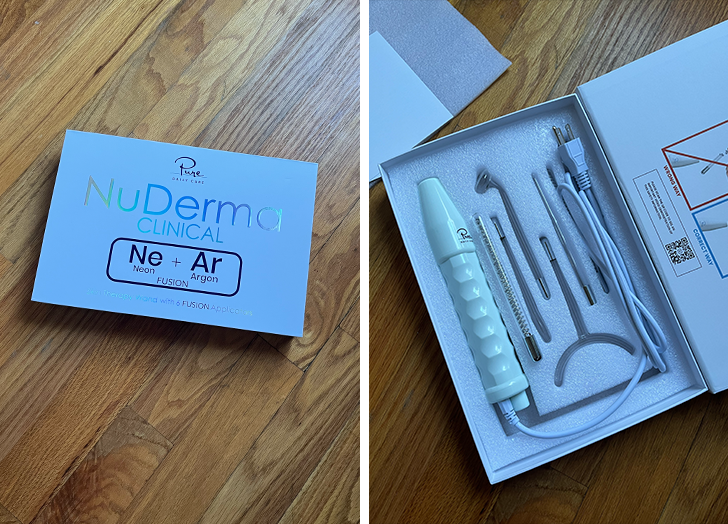
The NuDerma high-frequency wand is a handheld facial device that uses mild electric currents to help increase blood flow and collagen production in skin. Depending on the model you choose (there are three: Standard, Professional, Clinical), the wand claims to address signs of aging, acne or both. The Standard wand uses neon gas; the Professional wand includes wands with either neon or argon gas and the Clinical wand fuses both gases into the same attachments.

Using these gases, the high-frequency wand promises to kill acne-causing bacteria, clear breakouts, prevent new ones, all while enhancing blood circulation and cell renewal. The brand recommends using the wand every other day for two to three minutes, with results taking a minimum of two to four weeks to start showing.

How We Tested the NuDerma High-Frequency Wand

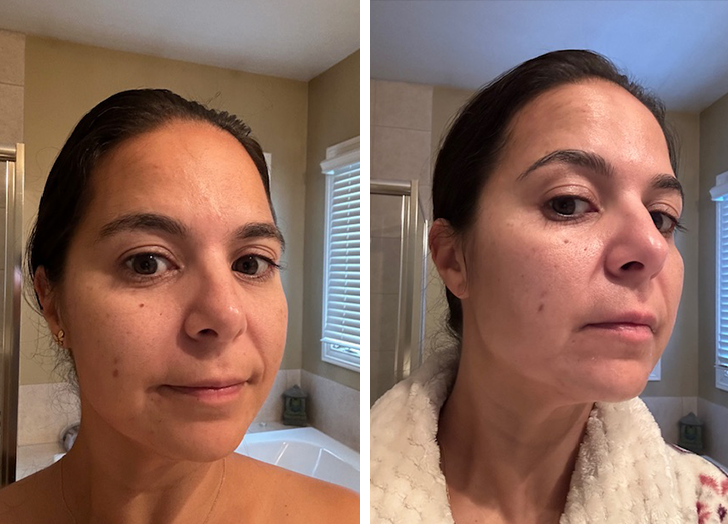
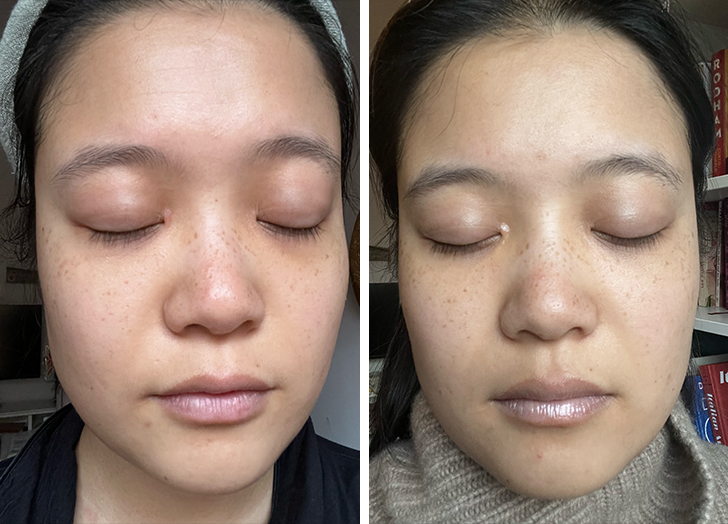
Over the course of a month, I, along with PureWow Senior Editor Dana Dickey and tester Sabrina Singh, tested all three versions of NuDerma’s wand. We represent Gen Z, Millennials and Gen X with diverse skin types and issues. Per the brand’s instructions, we used the wands at least once a week and looked for improvement in acne, scarring, redness, fine lines and hair growth. Everyone evaluated the wand on five different qualities: ease of use, efficacy, comfort, aesthetics and value.

Our NuDerma High-Frequency Wand Review

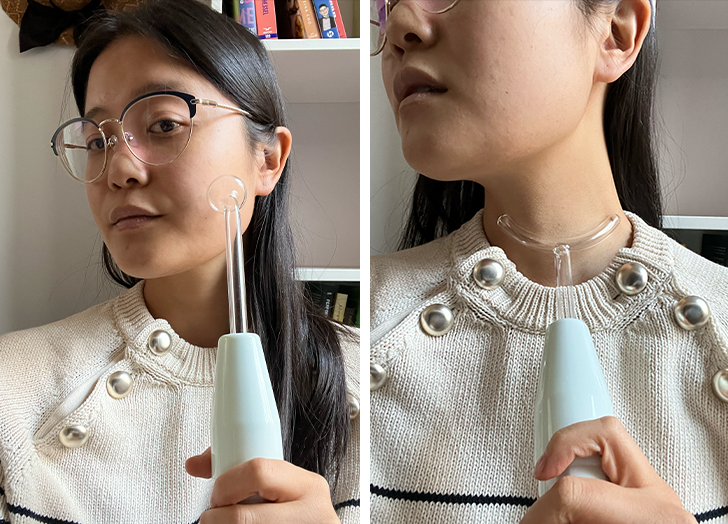
For testing, we followed the wand’s directions as instructed. Burg advises starting with clean skin and applying a serum to avoid drying. In my experience, it also helps the device glide. Otherwise, you’ll be pulling at your face. If you don’t want to apply any product, Burg also uses gauze in her studio, which can help the rod move more smoothly.

When it comes to intensity, Burg says, “You should feel a little tingle or ‘zappy’ sensation, but it shouldn’t be painful or feel like you’re burning the skin. Cranking it all the way up doesn’t clear acne faster, it just dries and irritates the skin more. With high-frequency, more is not better. Overusing it can lead to dryness and post-inflammatory hyperpigmentation (those dark marks that linger after a breakout).”

As for the scalp attachment, which is supposed to stimulate hair follicles, I found it worked fine on either wet or dry hair. I applied the 100-stroke method three times a week.

With that in mind, here are our takeaways:

Ease of Use

We all found the wand easy to use and the setup straightforward. It’s just plug-and-play. The only thing to be cautious about is that the attachments are glass and can break—this was a major con when I was reading reviews. The directions explicitly explain how you should handle the attachments: by the base, not the top. I followed the advice and everything has been fine. The intensity is controlled by an easy knob, which you twist to go from power 1 to 5. Start low and build your way up. To avoid an initial zap, place your finger on the attachment and then turn on the wand. With your finger still on the attachment, bring the wand in contact with your face. This is called “grounding” the device, and once you’ve done that, you can remove your finger and glide the wand on your skin.

Efficacy

As the experts explain later, a high-frequency wand is a surface-level treatment meant to provide quicker results—but on the flip side, they’re not long lasting. I noticed that my skin felt and looked more hydrated and plump after using the wand with toner. Dickey saw her facial redness, bordering rosacea, improve. I had been watching my acne scars on my chin and found they were diminishing more quickly than if I had let them alone, and I didn’t have any new breakouts. However, Singh reported that she didn’t see much difference in healing time and breakout management, and it did cause some dryness. This may have been due to using it on bare skin, rather than with a toner or serum to facilitate the wand’s movement.

Regarding the scalp attachment, it was easiest of all the attachments to use, since it glided over my scalp whether it was wet or dry. My initial hair length was 22.25 inches. After the testing period, it measured 22.63 inches, for a total growth of 0.38 inches. That’s a little less than the average 0.41 inches per month. I feel like it seemed less effective than the hair serums I've tested in part because this isn't something you can use every day. (The max is three times per week). I may have seen better results if I had used it for eight to 12 weeks.

Comfort

We all thought the device was fairly comfortable to use. As you increase the power settings, you may feel the electric current more strongly, but it’s not painful. To help the wand glide as smoothly as possible and not tug on your skin, a toner or serum is really handy. I did notice a slight metallic scent that I didn’t find the most pleasant, but it wasn’t a huge dealbreaker.

Aesthetics

Singh put it best: “The box with the wand and all the attachments is rather large and took up a lot of space under my sink. It would be better if there had been a stand I could have placed on my sink because it was a bit of an ordeal to unpack and repack the wand and attachments each time.” The tool itself is pretty sleek, but depending on which model you go for, there’s a lot to store.

How High-Frequency Wands Work

The mention of neon and argon gas makes me think of the periodic table—not skincare. I tapped a dermatologist and esthetician to talk about the merits in beauty routines. Per Gallo, a licensed master esthetician, “High-frequency wands work to kill bacteria on the skin, especially in open or large pores. They use a gentle electrical current to create tiny sparks that produce antibacterial ozone and increase blood flow to the area. They are effective for short-term results and [to] promote healing, but no current studies show long-term benefits.”

Dr. Hovenic adds that most results are short term—you’ll probably observe it reducing puffiness and breakouts. But ecause the high-frequency wand warms the skin, it can also enhance product absorption, which can benefit skin in the long run.

While it sounds fancy, the gas simply serves to conduct the electric current. “Argon is often marketed for acne, while neon is said to boost circulation and support collagen for anti-aging,” Dr. Hovenic says. “While there’s some basic science behind these claims, the difference in results are subtle. In reality, the main benefits come from the light stimulation and increased blood flow, rather than the gas type itself.”

When treating acne specifically, Gallo recommends the “sparking method.” Place the wand on the blemish for one to two seconds, then tap the area three to four times with the device.

Safety Precautions

As with other beauty tech devices, you shouldn’t stack your treatments with the NuDerma wand, though Gallo notes you can use a red light therapy mask afterwards. Otherwise, space out your lasers, radio frequency and microcurrent devices, lest you irritate your skin.

Dr. Hovenic cautions that those who have very sensitive skin, rosacea, eczema, open wounds, a pacemaker or metal plants should steer clear. You also shouldn’t use it too often, keeping the frequency at every other day, minimum.

“Overuse can cause temporary redness, dryness or mild irritation, so it’s best to start slow and listen to your skin,” Dr. Hovenic says. “If you have darker skin, even mild heat can cause pigmentation to occur, so start with a small area in a cosmetically less sensitive area, such as on the side of the face, and use a few times to make sure no side effects occur before moving on to full face treatments.”

High-Frequency Wands vs. Other Treatments

High-frequency wands are surface-level treatments best for maintenance and a quick boost, while other technologies can deliver more long-term correction.

“[These Wands] work on the surface of the skin, providing short-term benefits like increased oxygen, mild stimulation and a cleaner, more refreshed appearance,” Dr. Hovenic says. “By contrast, lasers use concentrated light to target deeper layers of the skin, treating wrinkles, pigmentation, or broken blood vessels with more precision. Radiofrequency delivers heat energy to stimulate collagen remodeling, improving firmness over time. Microcurrent sends gentle electrical impulses to tone facial muscles and subtly lift the skin. Red light therapy uses a specific light wavelength to reduce inflammation and encourage healing.”

The Bottom Line

The NuDerma high-frequency wand is best for those seeking a quick, DIY treatment between their dermatologist appointments. It does yield results, but they’re more temporary than lasers, radiofrequency or microcurrent devices. Per Burg, “Neither gas is going to help with anti-aging the way lasers, microchanneling or professional treatments do. But, neon can give the skin a temporary, healthy glow, and argon absolutely has benefits for acne when used correctly.” Overall, the basic model is a more accessible, under-$100 pick for folks just getting into at-home beauty tech.

mw headshot

Editor, SEO and Audience Development

  • Writes across all verticals, including beauty, fashion, wellness, travel and entertainment, with a focus on SEO and evergreen content
  • Has previously worked at Popular Photography and Southern Living, with words in Martha Stewart and Forbes Vetted
  • Has a B.S. in journalism from Boston University