Got Stomach Bloat? Here Are 5 Ways to Reset

If you saw me unzip my jeans under the table…no, you didn’t

bloating-tips-uni
Katia Shevchenko/Shutterstock

I’d be lying if I said I’ve never unbuttoned my pants after a big meal…discreetly under the table, of course! And while occasional bloating like this is completely normal, it doesn’t make it any less uncomfortable.

What’s frustrating is that bloating is often just a sign that your digestive system is functioning properly. But if you’re dealing with frequent stomach bloat—or you’ve suddenly found yourself sporting a food baby after every meal—it can leave you feeling less than stellar.

If you’ve ever felt personally victimized by post-meal bloating, you’re not alone. I rounded up five simple, expert-backed ways to help ease the post-meal bloat, from taking a quick walk to sipping tea and reaching for an over-the-counter option when needed.
Meet the Experts

The Tell-Tale Signs You’re Dealing With Bloating

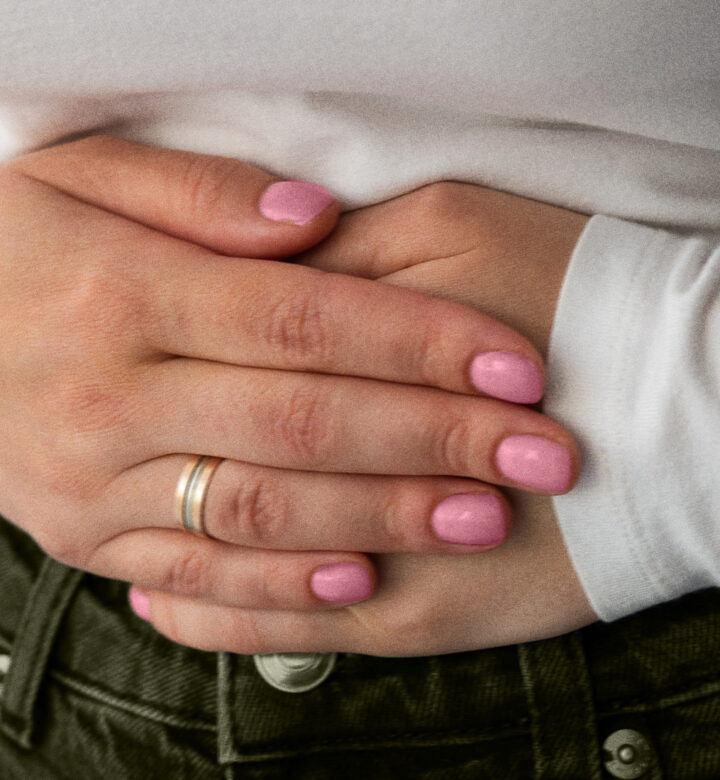
Because stomach discomfort has become so normalized (seriously, how many times have you heard someone say they’re “always bloated”?), you may not even realize that what you’re experiencing is actually bloating. Next time you eat a meal and your stomach feels a little off, look out for these telltale signs of stomach bloat:

  • You might feel a stretched feeling or tightness in your stomach, sometimes accompanied by cramps or sharp aches.
  • You might experience passing more gas than usual, along with frequent belching and audible stomach gurgles.
  • You might see swelling or distension of your stomach potentially accompanied by constipation or diarrhea.

And while occasionally experiencing bloating is a normal part of digestion, frequently experiencing these symptoms shouldn’t just be something you learn to live with. If bloating is happening often or interfering with your daily life, it’s worth chatting with a healthcare provider to better understand what may be contributing to it.

In the meantime, here are a few simple, expert-backed ways to help ease stomach bloating when it does happen.

stomach-bloat-tips-walking
Tricky_Shark/Shutterstock

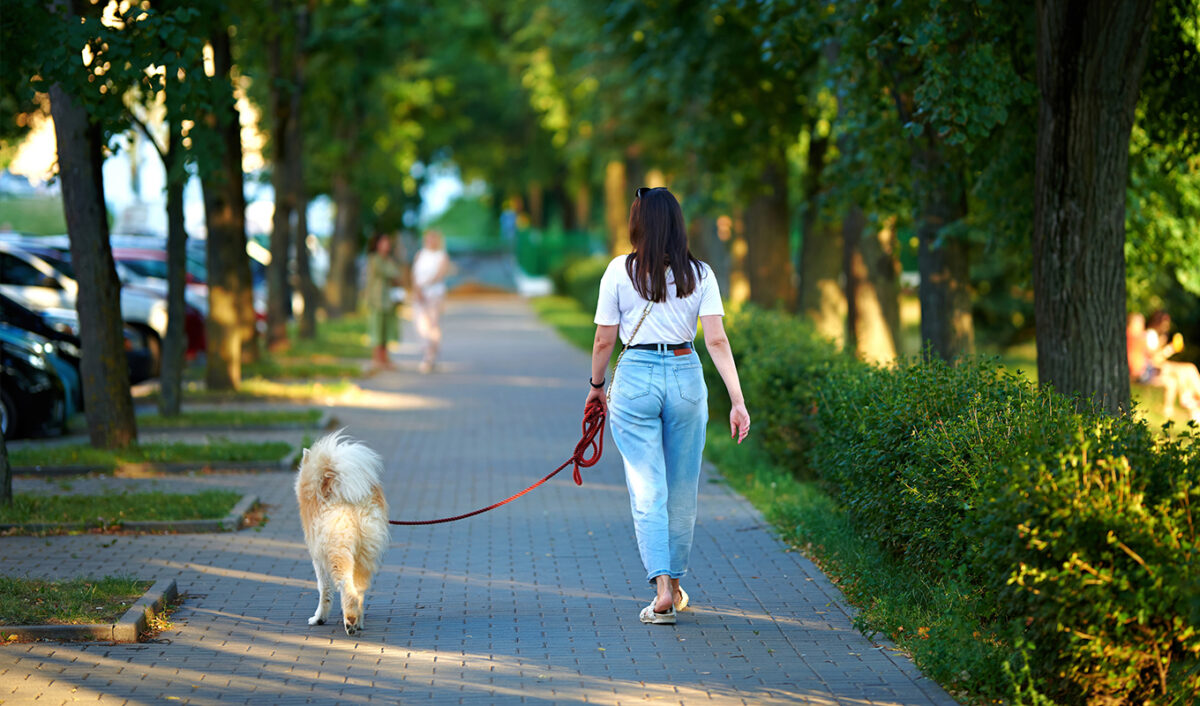
1. Move Your Body

Taking a short walk after a meal (I’m talking just 10 to 15 minutes) or doing some gentle stretching can be one of the easiest ways to help ease post-meal bloating.

Why it helps: Gentle movement encourages your digestive tract to keep things moving, which can help trapped gas pass through your intestines instead of hanging around and causing discomfort. “Going for a short walk after eating is a great way to get trapped gas moving and relieve bloating because it triggers a process called peristalsis, the wave-like contractions in the gut that ‘sweeps’ things along,” explains gut-health dietitian Sarah Glinski. “It can also break larger pockets of gas into smaller gas bubbles that are easier to pass.” Skip the high-intensity workout or run and instead opt for a casual walk, a few yoga poses or some light stretching. 

My favorite way to do it: After dinner, I love popping in my headphones, throwing on a podcast and taking a stroll around my neighborhood. It's become my favorite way to unwind after a long day, and my stomach usually appreciates it, too.

stomach-bloat-tips-tea
Farknot Architect/Shutterstock

2. Sip on Tea

Firing up the stovetop and making yourself a warm cup of tea after a meal is a cozy, low-effort way to help settle your stomach if you’re feeling bloated.

Why it helps: Staying hydrated supports healthy digestion, and a warm cup of tea can help keep you hydrated and can also feel especially soothing after eating. Sipping on tea after a meal helps reduce bloating by relaxing digestive muscles, speeding up stomach emptying and soothing any gut inflammation. “Warm liquids in general can help relieve bloating because they stimulate the movement of food and gas through the gut (helping relieve constipation, which is a common cause of bloating,” explains Glinski. Certain herbal teas (especially peppermint, ginger and chamomile) help break down or release trapped gas.

My favorite way to do it: After I finish up the dishes, I love to cozy up on the couch with a mug full of ginger tea to watch the latest Real Housewives episode. Ginger helps move food out of your stomach quicker and relaxes your gut to let trapped air pass through. Plus, it’s the perfect nightcap before bed.

stomach-bloat-tips-heating-pad
Towfiqu ahamed barbhuiya/Shutterstock

3. Apply Heat

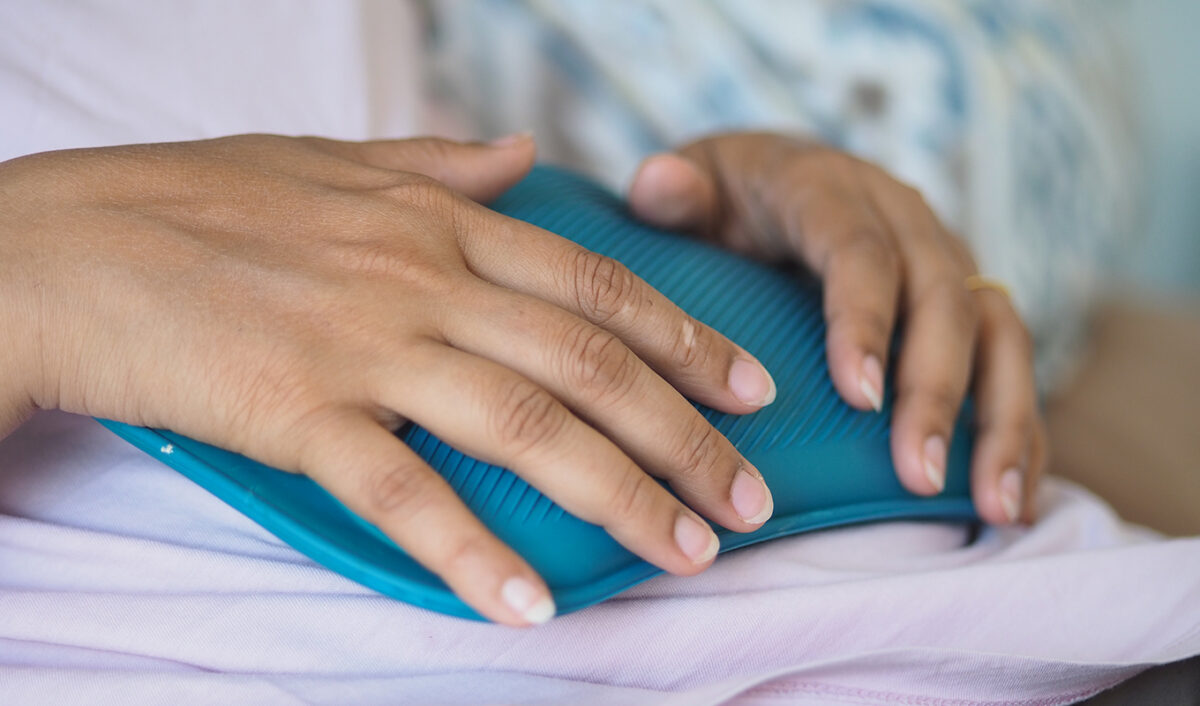
Especially if you experience abdominal discomfort or an upset stomach alongside bloating, applying heat with a heating pad can feel like a warm hug for your stomach after a meal.

Why it helps: A heating pad won’t necessarily make bloating completely disappear, but it can help you feel more comfortable while your body works through digestion. “Applying heat to your abdomen after a meal can help relieve bloating because it relaxes the muscles and increases blood flow to the intestines, which may ease constipation (one of the most common causes of bloating),” explains Glinski. “Heat can also dull the pain signals that make bloating feel so uncomfortable.” Gut-health dietitian Julie Pace adds that a heating pad should be viewed as a comfort measure rather than a treatment for bloating. "It isn't really treating the bloating; it's more like easing how the bloating feels," she explains. 

My favorite way to do it: After eating, it's important to remember to stay upright and avoid immediately lying down, which can make some digestive symptoms feel worse. I like to get cozy on the couch with a pillow behind my lower back to keep my posture supported, then place a heating pad on my lower abdomen while I relax for a few minutes. It's basically the digestive version of a weighted blanket. 

stomach-bloat-tips-yoga-breathing
Antonio Guillem/Shutterstock

4. Try Belly Breathing

While deep breaths likely won’t completely relieve bloating, they’re a good way to calm down your nervous system and stress response.

Why it helps: “Taking a few deep breaths after a meal isn't a proven fix on its own,” explains Pace. “But belly breathing…before, during, and after meals, can help, especially if your belly visibly swells after eating. It retrains your breathing muscle and belly wall to work together instead of pushing your stomach outward. It also helps calm the nervous system, which can make the gut feel less sensitive.” 

My favorite way to do it: When I notice myself feeling just a little too full or uncomfortable after a meal, I like to take a few minutes to slow down, pretend I’m in a yoga class and focus on my breathing. I place one hand on my belly and one on my chest, inhale slowly through my nose and let my stomach expand, then exhale fully out my mouth.

stomach-bloat-tips-supplements
Fotomoment001/Shutterstock

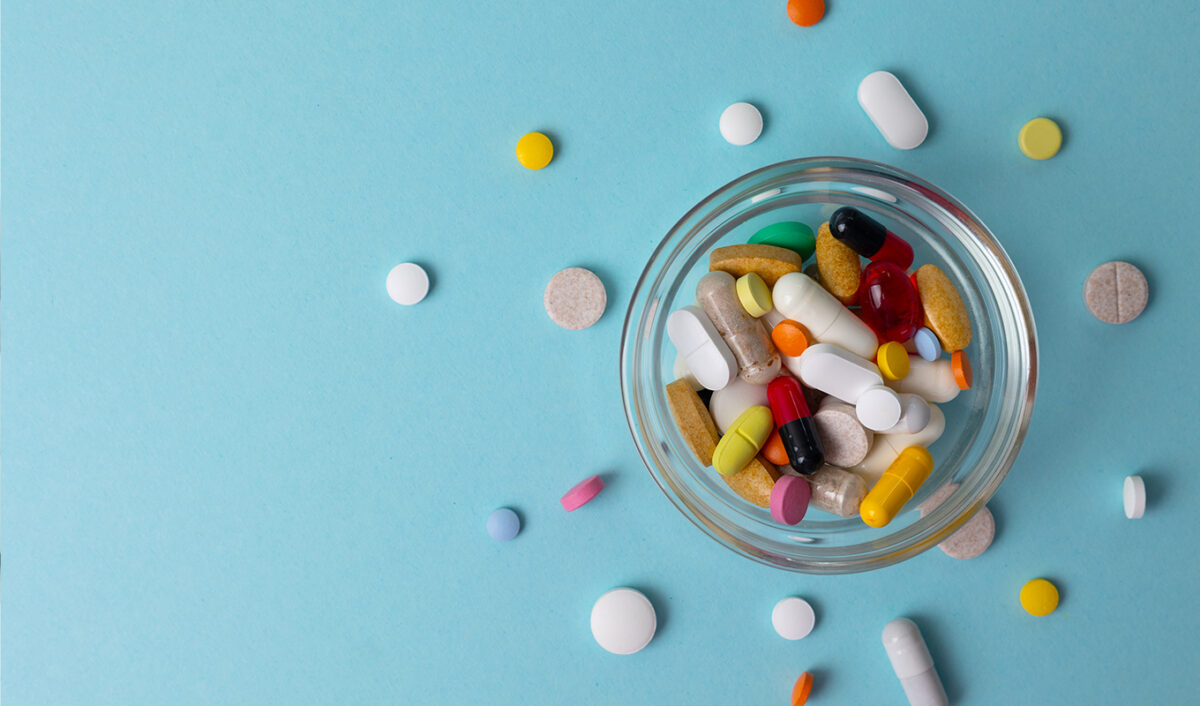
5. Consider an OTC Medication or Supplement

And if none of those more holistic measures seem to help, sometimes, the simplest solution is reaching for a product from your medicine cabinet. Over-the-counter options like simethicone (the main ingredient in products like Gas-X) may help relieve discomfort from excess gas, while certain supplements, like enteric-coated peppermint oil capsules, may help ease bloating for some people.

Why it helps: While not technically a medication, taking enteric-coated peppermint oil capsules (like IBgard) after eating can help relieve bloating because the menthol relaxes your gut muscles and eases cramping," says Glinski. "Combined, this can help reduce bloating, especially in people with IBS." That said, these options aren't a one-size-fits-all solution. Peppermint oil, for example, can make reflux symptoms worse for some people, so it's best to check with a healthcare provider if you have ongoing digestive concerns or aren't sure which medication or supplement might be right for you.

My favorite way to do it: If I'm dealing with occasional bloating, I'll usually start with the simplest strategies first (like a walk or a warm cup of tea). If I still feel uncomfortable, I'll consider an over the counter option depending on what symptoms I'm experiencing. 

How to Prevent Bloating Before It Starts

While the occasional bout of bloating is completely normal, there are a few simple habits that may help keep your digestion feeling a little more comfortable. It’s usually not helpful to try and avoid every food that can cause bloating (many nutrient-rich foods, like beans and cruciferous vegetables, can temporarily increase gas). Instead, paying attention to your body's patterns and making small adjustments when needed is the best strategy to prevent bloating before it starts. 

  • Slow down at mealtime. Eating quickly can cause you to swallow more air, which may contribute to bloating and discomfort. Registered dietitian, Samantha Easton, recommends “eating slowly and chewing thoroughly.”
  • Increase fiber gradually. Fiber is an important nutrient for a healthy digestive system, but adding too much to your diet too quickly can leave you feeling extra gassy or bloated. “When increasing fiber in your diet, make sure you are slowly introducing more and drinking plenty of water,” explains Easton.
  • Be mindful of high-sodium or high-fat meals. Ever notice you feel a little puffier after a salty meal? That's because sodium can cause your body to hold on to extra water, which may contribute to temporary bloating. Similarly, meals higher in fat “slow stomach emptying and can cause bloating,” says Easton.
  • Identify your personal triggers. Bloating triggers are individual, and usually look a lot different from person to person. Some people may notice symptoms after eating foods that contain lactose or sugar alcohols, while others may have no issues at all. Instead of cutting out foods unnecessarily, Easton recommends “taking note of what foods may trigger bloating symptoms for you,” which can help you identify patterns and determine whether a food intolerance or sensitivity may be playing a role.

The Final Word on Post-Meal Bloating

“While it can feel uncomfortable, some bloating, especially after eating meals high in fermentable carbohydrates (like beans or onions), is completely normal and nothing to worry about. However, if your bloating is accompanied by severe distension (where your belly sticks out) or pain, it's best to chat with your doctor to ensure nothing else is going on,” says Glinski.

6 Ways to Take Care of Your Gut (That Have Nothing to Do with Food)


JaneLeverichHeadshot 160x160

Jane Leverich, M.S., RDN

Contributing Editor

  • Registered dietitian
  • Nutrition writer
  • Pilates instructor