6 Gut Health Myths, Explained

Let’s stop believing everything we hear on TikTok, OK?

UNIV 35 720x780
New Africa/Sergii Sobolevskyi/Shutterstock

Picture this: You’re looking to support your gut health, but you don’t exactly want to book an appointment with a dietitian or spend your evenings combing through research papers. So, naturally, you do what pretty much anyone else would do: You sit on your couch, open TikTok and search the term “gut health.”

The first video that pops up? A slightly judgmental influencer telling you that you must be pooping. Every. Single. Day. A little unsettled, you scroll to the next one, where a wellness guru is selling his latest miracle juice cleanse that promises to help you “detox” and solve all your digestive woes. Suddenly, you’re wondering if you’ve been approaching gut health wrong this entire time.

But before you spend your next paycheck on a bunch of fancy supplements or start scheduling your entire life around your bathroom habits, let’s clear something up: The internet is full of gut health advice…and not all of it is backed up by science. As a dietitian, I consider myself pretty well-versed in spotting gut health myths—but even I wanted to call in backup to help set the record straight. So, I chatted with experts to break down some of the most common gut health misconceptions that have become way too normalized online. 

Meet the Experts

gut-health-myths-poop
SaiArLawKa2/Shutterstock

1. Do You Need to Poop Every Day?

Spoiler alert: Nope, and your bathroom habits (which should, ahem, probably stay between you and your toilet) may look pretty different from someone else’s. Luckily, what’s considered “normal” varies a lot, too. “No, you do not need to poop every day,” explains gut-health dietitian Sarah Glinski. “What matters most is your own consistent rhythm (i.e., are your bowel movements regular and predictable?) and the consistency of your poop (soft, formed stools that are easy to pass are a sign of better gut health).”

Thankfully, we can retire the idea that everyone needs to have the exact same bathroom schedule. (And maybe this is why we should leave our bathroom habits…in the bathroom.) What’s normal for me is probably a lot different than what’s normal for you. So shaming people for pooping once a day, twice a day, or a few times a week—you get the idea—isn’t helping anyone. 

So, how often should you poop? “Bowel habits vary from person to person, so ‘normal’ can range from a few times a day to a few times a week,” explains registered dietitian Jackie Warner. “What's most important is that your bowel movements are comfortable and consistent for you. You should feel like you've completely emptied your bowels without straining, excessive discomfort, or ongoing feelings of bloating or constipation.”

And of course, there’s a difference between having your own normal and noticing a sudden change. Glinski reminds us that “If you experience sudden changes in your poop schedule, especially if accompanied by pain, bloating or blood, it's worth a chat with your doctor to rule out potential conditions like celiac disease, inflammatory bowel disease or colorectal cancer.”

gut-health-myths-juice
franz12/Shutterstock

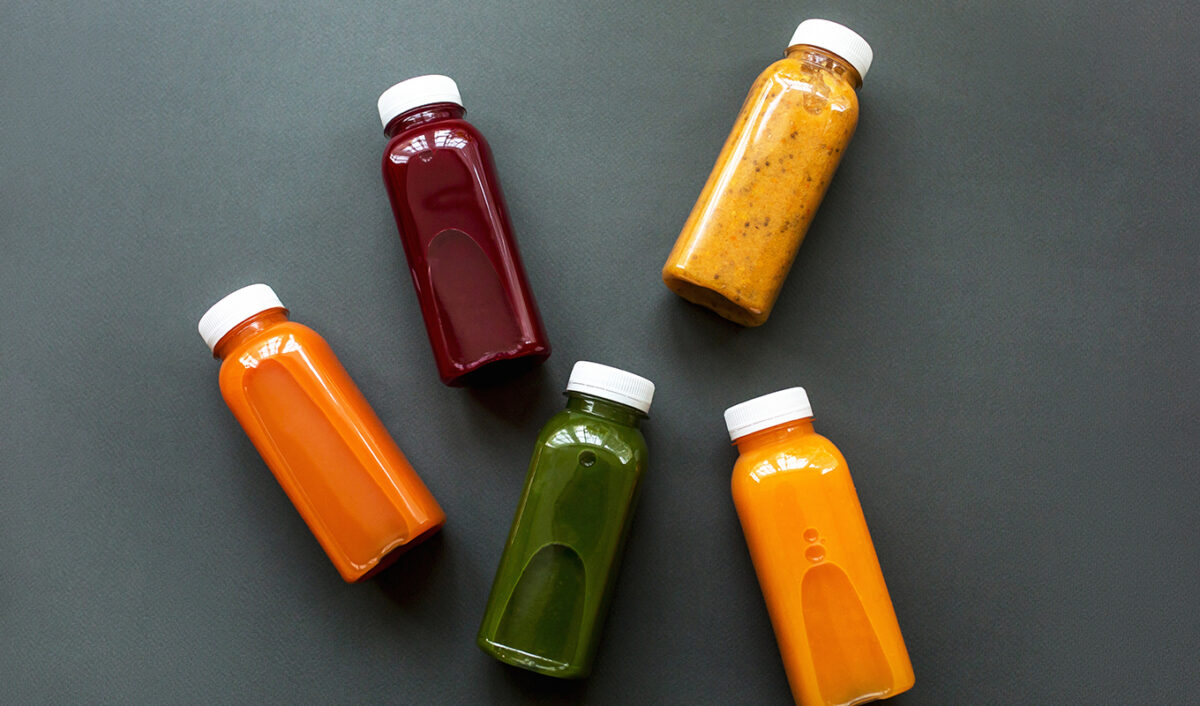
2. Can a Juice Cleanse Really “Detoxify”?

Let’s get one thing straight: If something claims to “detoxify” your body, proceed with caution. There is no such thing as a special juice, tea or food you need to consume to “flush out” toxins. Your body already has a pretty impressive detoxification system built in. “Despite popular claims, we don’t need juice cleanses to ‘detox’ our bodies,” explains gut-health dietitian Dahlia Marin. “Our liver and kidneys do an excellent job on their own.”

“While cold-pressed or homemade juices can be a great way to get a concentrated dose of nutrients and hydration, your body has everything it needs to remove toxins on its own,” explains Glinski. Plus, most juices are missing one very important thing for your gut: fiber. “Since most people don't get enough fiber as it is, it's best to eat your fruits and veggies whole so you can reap the benefits of their fiber content,” Glinski adds.

There’s one other thing to keep in mind here: “Relying on juice alone for even a day or two can lead to intense hunger, headaches, fatigue, lightheadedness and irritability,” says Warner. In other words, you don’t need to survive on green juice for three days to give your body a “reset.” Eating a variety of whole foods, including fruits, vegetables, whole grains, protein and healthy fats, is a much more effective way to support your overall health (and your gut). 

gut-health-myths-elimination-diet
Kreminska/Shutterstock

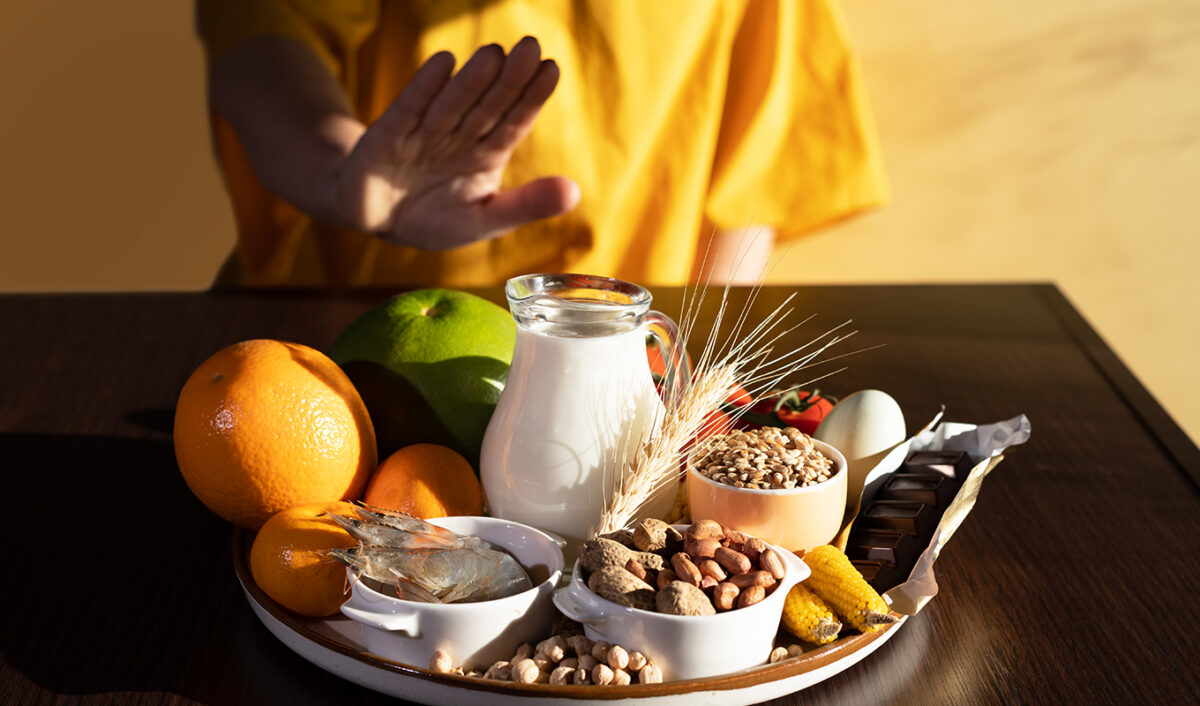
3. Do Elimination Diets Heal Your Gut?

I often hear people say they’re working on “cutting out” certain food groups to support their gut health. Whether it’s gluten, dairy, meat, legumes—you name it, someone has tried removing it from their diet in search of fewer digestive symptoms. And while elimination diets can be a useful tool for identifying potential food triggers, intolerances or allergies, they usually aren’t meant to become a permanent way of eating for most people. 

“Elimination diets can be helpful for identifying your personal food triggers, but with the exception of elimination diets for food allergies or conditions like celiac disease, they typically shouldn't be followed long-term because they can lead to nutrient deficiencies,” says Glinski. “I usually recommend following an elimination diet for two to six weeks (ideally under the supervision of a dietitian experienced with elimination diets), then reintroducing the eliminated foods one at a time so you can see which ones might be symptom triggers. That way, you can broaden your diet as much as possible and only eliminate the foods you absolutely need to.”

In other words, it probably won’t help you or your gut much to see how many foods you can successfully live without. Instead, figuring out which foods, if any, are actually causing your digestive woes can be helpful in making better, more informed dietary choices. 

gut-health-myths-elimination-diet
Media_Photos/Shutterstock

4. Can Stress Cause an Ulcer?

The gut and the brain are connected via the gut-brain-axis. So, if you’re feeling stressed, it makes sense to wonder whether that stress could literally cause an ulcer, right?  Well, not exactly. While stress can affect your gastrointestinal tract and may contribute to ulcer risk, it’s not considered a direct cause of most stomach ulcers. “While there is no direct route of emotional stress causing ulcers, studies do show prolonged mental, emotional, physical or chemical stressors can cause a shift in the functions of the gastrointestinal tract,” explains Marin.

So, if stress isn’t directly creating an ulcer, where does the connection come in? According to Glinski, it may have more to do with how we respond to stress, and, specifically, what we reach for when we’re not feeling our best. “Stress can cause ulcers, but not for the reason you might think,” explains Glinski. “People who are stressed often experience stress-related headaches and body pain, so they may use more pain relievers (such as NSAIDs) to manage those symptoms. Since long-term NSAID use can cause stomach ulcers, this may be part of why we see a link between stress and stomach ulcers.”

That said, managing stress is still an important part of taking care of your gut and overall health. Marin recommends connecting with loved ones, prioritizing sleep, exercising, meditating, spending time in nature, practicing breathing exercises and making time for self-care to help regulate your nervous system and manage stress. 

gut-health-myths-probiotics
Sergii Sobolevskyi/Shutterstock

5. Should Everyone Take Probiotics to “Fix” Their Gut?

It kind of feels like probiotics have become the catch-all solution when it comes to “healing” your gut. Bloated? Take a probiotic. Constipated? Take a probiotic. While probiotics can be beneficial for certain people and specific conditions, they’re often hyped up on social media as a cure-all for just about every digestive complaint. Spoiler alert: they’re not. 

Glinski says it best: “No, not everyone needs to take a probiotic to ‘fix’ their gut. The benefits of probiotics are strain-specific, meaning certain types of probiotics have very specific benefits. That means that a probiotic designed to help with gas and bloating in people with IBS may not be effective for preventing antibiotic-associated diarrhea, while a probiotic designed to help with eczema may not be effective for constipation.”

It’s also important to remember that a probiotic isn’t going to do all the heavy lifting on its own when it comes to your gut health, especially if the rest of your diet is lacking in the nutrients your gut needs like fiber, healthy fats and polyphenols. “With probiotics, it's all about taking the right probiotic, at the right time, for the right reason,” says Glinski. 

In other words, before you add another supplement to your cart, it’s worth figuring out what you’re actually trying to address first. A probiotic might be helpful, but it’s certainly not going to “fix” your gut on its own.

6. Do “Hot Girls” Have Tummy Issues?

Last but not least, I’d be remiss if I didn’t touch on the classic “hot girls have tummy issues” internet mantra—and this is one I’m excited to debunk.

News flash, having bloating, constipation, diarrhea or other digestive symptoms isn’t a societal prerequisite—and it isn’t something you should accept as the norm. And while occasional digestive symptoms can be totally normal, constantly feeling like your stomach is on the fritz isn’t something you have to live with (a seasoned healthcare provider is just a phone call away).

So, no. Hot girls don’t have tummy issues. They have hot-girl standards—which includes not accepting chronic bloating, constipation or stomach pain as the status quo.


JaneLeverichHeadshot 160x160

Jane Leverich, M.S., RDN

Contributing Editor

  • Registered dietitian
  • Nutrition writer
  • Pilates instructor