
7 Viral Foods That Claim to Support Gut Health (But Do They Really?)

Some deserve the hype. Others…not so much

UNIV 24 1 720x780
Jag_cz/MaraZe/P-fotography/BWM Infinity/Steve Cukrov/Shutterstock

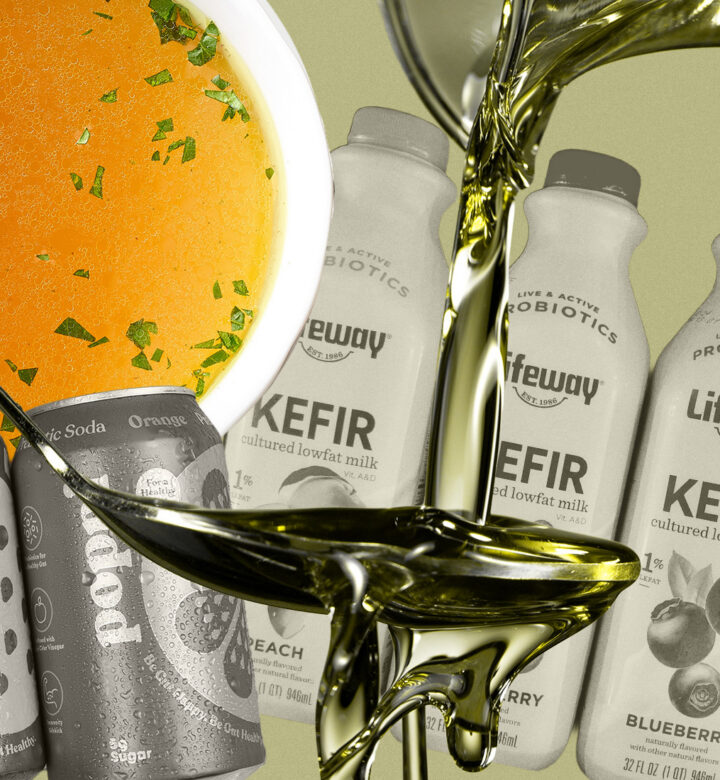
As you sip your prebiotic soda and contemplate whether fibermaxxing is actually a good idea (spoiler: it is), you’ve probably already noticed that gut health is having a major moment. Just take a look on social media and you’ll find thousands of #guthealth reels, each promising the next miracle food for a happier microbiome. And while most nutrition advice on the internet deserves a healthy dose of skepticism (looking at you, olive oil shots), some trends may actually be worth the hype. 

That’s good news for your gut, because it’s home to trillions of microorganisms that do a lot more than just help you digest food. They also play a role in nutrient absorption, immune function and even mental well-being. In other words, those tiny gut microbes are kind of a big deal. And just like any thriving community, what you feed them matters. That said, not every food claiming to support and nourish your microbiome delivers the same benefits. So before you start adding every viral food to your grocery cart, let’s take a look at which ones actually support gut health–and which ones might be getting more attention than they deserve.
Meet the Experts

1. Kefir

When it comes to probiotics, yogurt is an obvious choice. But have you heard of its drinkable counterpart—kefir? Tangy, creamy and convenient to sip on the go, kefir is a fermented dairy drink that’s been popping up everywhere from grocery store shelves to trendy “what I eat in a day” videos.

Unlike regular yogurt, kefir is made using cultures of bacteria and yeast, resulting in a drink packed with probiotics. And when it comes to gut health, that’s a pretty big deal. Research even suggests that kefir consumption may improve the abundance of Lactobacillus, a group of beneficial bacteria that help support a healthy gut microbiome. 

How to enjoy it: Registered Dietitian Jackie Warner recommends upping kefir’s gut-health benefits even more by pairing it with fiber-rich options. “Pairing it with berries or other fruit can add fiber, creating a satisfying combination that helps promote fullness between meals while also supporting gut health.”

2. Olive Oil Shots

If you’ve spent any time on social media lately, chances are you’ve seen wellness influencers and celebrities alike tossing back shots of olive oil and raving about their supposed health benefits. The trend has exploded online, with countless videos claiming that a daily shot can improve everything from digestion to gut health. But before you start treating your kitchen like your favorite dive bar, know this: The science supports olive oil itself—not necessarily olive oil shots.

Olive oil, particularly extra-virgin olive oil, is rich in heart-healthy fats and beneficial plant compounds called polyphenols. Research suggests these polyphenols may help support a healthy gut microbiome by encouraging the growth of beneficial bacteria while reducing inflammation in the gut. In other words, you can reap some of the gut-healthy benefits, even if you’re not throwing it back like a shot.

How to enjoy it: “The benefits of olive oil are actually maximized when paired with food instead of consumed on its own,” explains Laura Kitchen, M.S., RDN. “I recommend pairing it with your favorite fresh or roasted vegetables to help increase the bioavailability of antioxidants and fat-soluble vitamins. I also love to drizzle it on top of pasta dishes, cottage cheese or use it to make a simple vinaigrette or sauce.”

3. Prebiotic Sodas

Who doesn’t love a little treat at the end of the day? Enter: prebiotic soda. These bubbly beverages have become the unofficial drink of wellness culture, showing up everywhere from grocery hauls to carefully curated fridge-restocking videos. And unlike the crispy diet sodas many of us grew up with, these cans come boasting fiber and promises of better gut health.

While prebiotic sodas have certainly earned a spot in the gut-health conversation, it’s important to keep your expectations realistic. “They can be a low-sugar alternative to traditional soda or a fun way to increase your fluid intake,” Kitchen explains. But beyond that, they’re probably not a top-tier food when it comes to supporting gut health. 

The reason being, most prebiotic sodas contain just a few grams of fiber per can, while fiber-rich foods like beans, lentils, fruits, vegetables and whole grains deliver much larger amounts. “While prebiotic sodas do offer potential benefits, there is very limited research on their impact on gut health compared to dietary sources of fiber,” adds Kitchen.

How to enjoy it: If you enjoy the taste, there’s no reason not to crack open a can. Try using prebiotic soda as a mixer in a mocktail or enjoy it as a lower-sugar alternative to traditional soda.

4. Bone Broth

Just when you thought the bone broth craze had simmered down, it’s back on your social feed. Equal parts cozy beverage and kitchen staple, bone broth has maintained a loyal following thanks to claims that it supports everything from glowing skin to gut health.

Aside from its contribution to the collagen obsession, bone broth may provide some seriously gut-friendly benefits, too. Research suggests that bone broth may reduce inflammation in the intestinal lining, improve nutrient absorption and support intestinal barrier function—including in people with inflammatory bowel disease such as Crohn’s disease and ulcerative colitis.

How, exactly? Part of the reason may be due to its impressive nutrient profile. Bone broth is rich in amino acids, including glutamine, glycine and proline, which play important roles in maintaining and repairing the gut lining.

How to enjoy it: Sip bone broth on its own for a hydrating snack, use it as the base for soups and stews or swap it in for regular broth.

viral-foods-gut-health-Kimchi
krein1/shutterstock

5. Kimchi

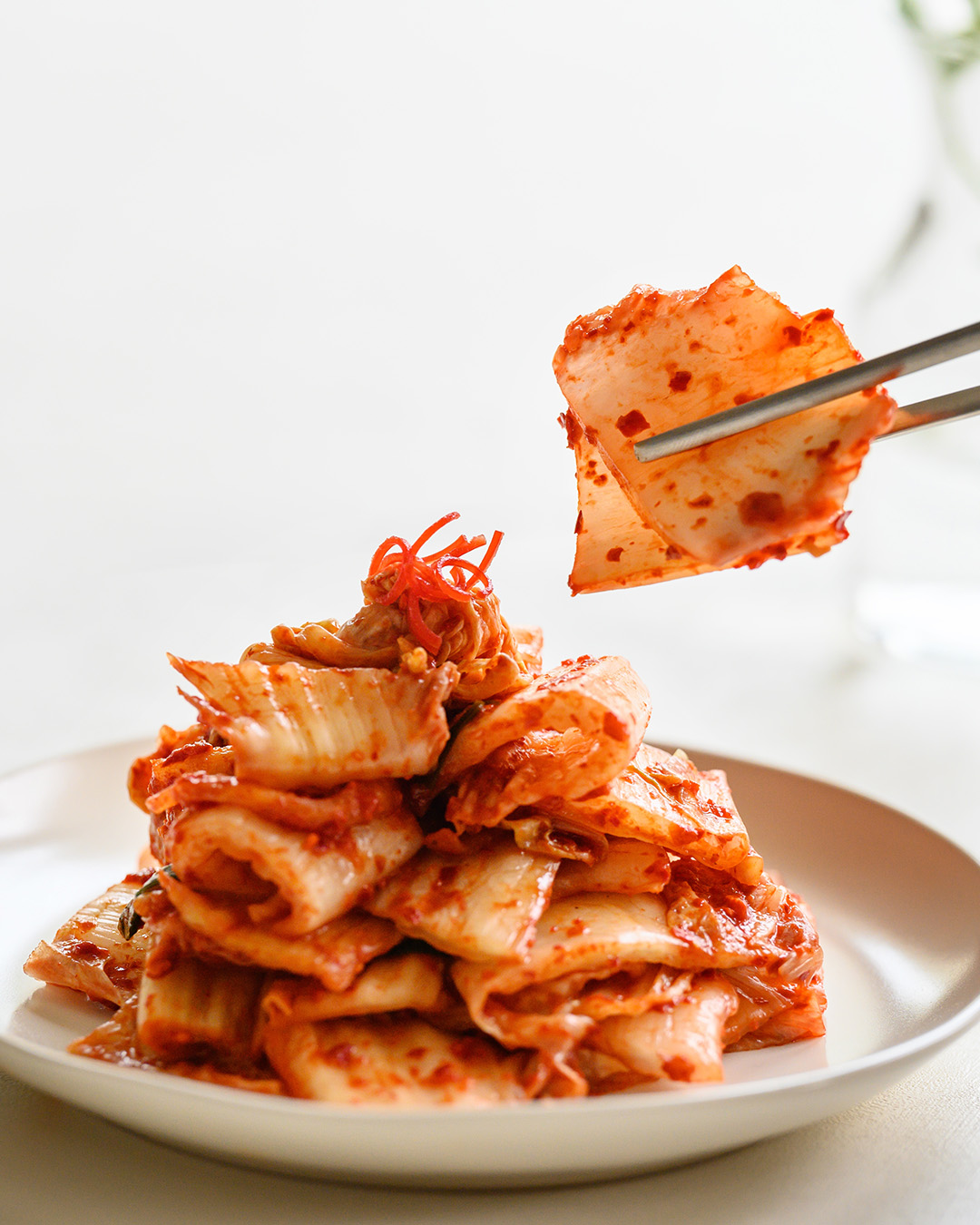
Once reserved for traditional Korean meals and adventurous eaters, kimchi has officially entered the mainstream group chat. The spicy, crunchy fermented cabbage dish has quickly risen the ranks in the gut-health world, showing up in everything from rice bowls to scrambled eggs. 

This fermented Korean side dish is loaded with gut-supportive probiotics. “The high probiotic content in kimchi is thought to help support the gut microbiota environment by boosting good bacteria and reducing inflammation,” explains Hennis Tung, M.S., RDN. Specifically, kimchi contains beneficial bacteria for the gut, including Leuconostoc and Lactobacillus, that help support a diverse, healthy microbiome.

How to enjoy it: Kimchi’s signature crunch and spicy kick make it the perfect addition to eggs, grain bowls, salads and meat dishes. “It is also commonly used in cooked dishes like soups and stews; however, it’s worth noting that cooking will reduce the live bacteria, so if you’re looking to support your gut health, it’s best to consume it in its raw fermented form,” adds Tung.

viral-foods-gut-health-sourdough
zi3000/shutterstock

6. Sourdough Bread

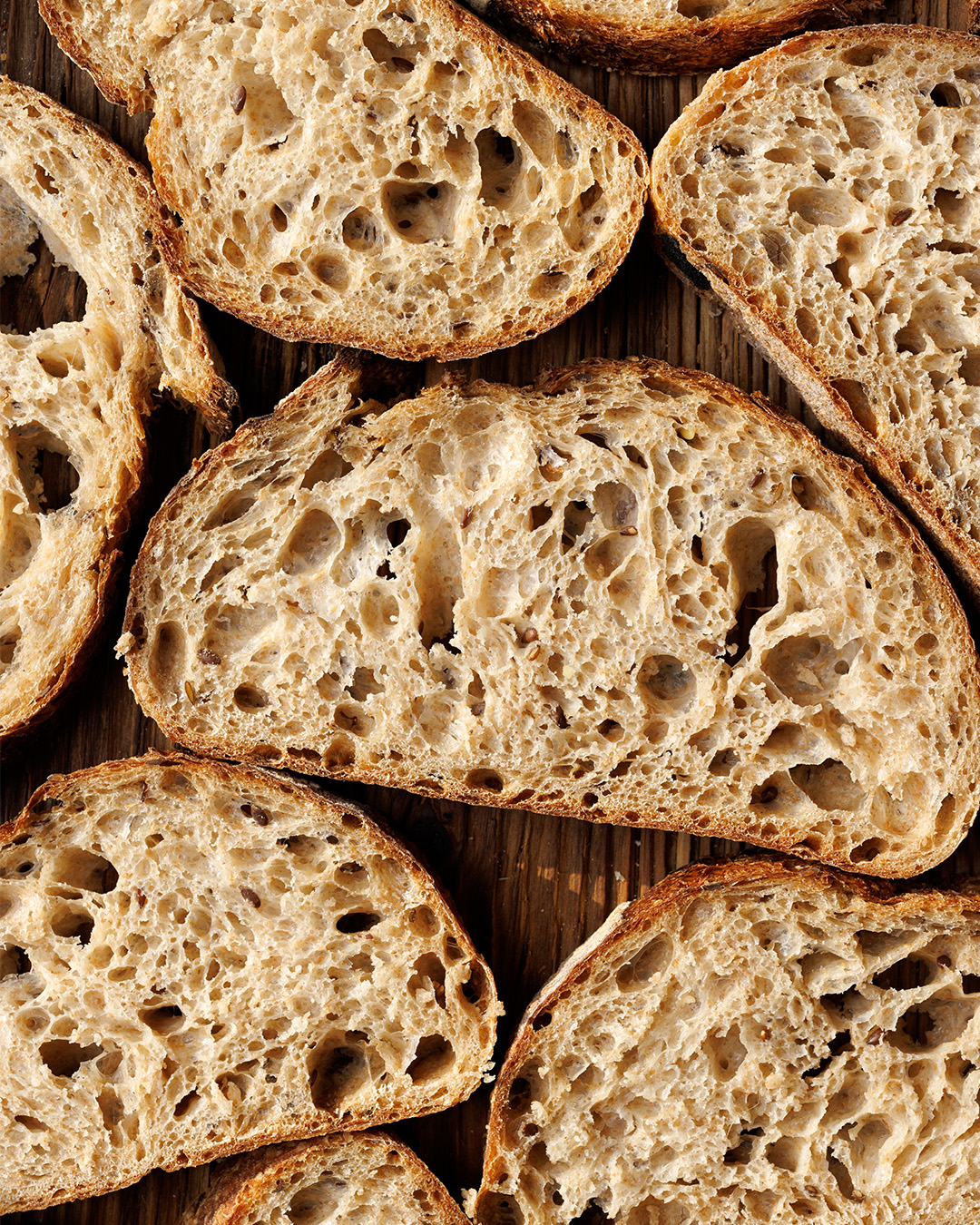
From cottagecore baking content to microbakery influencers, sourdough bread has been having a moment ever since we all collectively decided to become home bakers during the pandemic (myself included). And unlike some fleeting food trends from that era (RIP whipped coffee), sourdough has actually managed to stick around. 

Part of the reason for this comes from its reputation as a “gut-friendly” bread–and for some people, a more digestible bread option than standard loaves. Sourdough is made using a natural fermentation process with live cultures like lactic acid bacteria instead of commercial yeast, which may contribute to these digestive benefits. “This process alters the content of gluten and starch, making it easier to digest,” explains Tung.

That said, while sourdough may be easier on the digestive system for some people, it’s not quite in the same league as probiotic-rich foods when it comes to gut health. Think of it as a more easily digested bread option—not a substitute for fermented foods.

How to enjoy it: Toast it and top it with avocado, nut butter or eggs for a balanced, fiber- and protein-rich snack, or use it as the base for sandwiches.

7. Kombucha

I’d be remiss if I didn’t mention the probiotic-rich drink that feels like it kicked off the gut health craze. Long before prebiotic sodas took over the drink aisle, there was kombucha—the fizzy, slightly funky fermented tea that everyone seemed to get on board with (despite it tasting somewhat like bubbly vinegar).

Made by fermenting tea with bacteria and yeast, kombucha contains live microorganisms that function as probiotics, which may help support a healthy gut microbiome. 

But keep in mind that the amount of probiotics can vary widely between brands, and some varieties contain a surprising amount of added sugar, which can potentially work against gut health goals if consumed in large amounts. “Not all kombucha products contain live cultures,” adds Warner. “Some are pasteurized or made shelf-stable, which destroys the live bacteria during processing. To ensure you are purchasing kombucha with live cultures, look for products in the refrigerated section and check the label for phrases like ‘contains live cultures’.”

How to enjoy it: When shopping, opt for kombucha that lists live cultures and keep an eye on the sugar content. Enjoy it chilled on its own or use it as a swap for soda in simple mocktails.


JaneLeverichHeadshot 160x160

Jane Leverich, M.S., RDN

Contributing Editor

  • Registered dietitian
  • Nutrition writer
  • Pilates instructor