
So…Are Nightshades Bad for You? Here's What Dietitians Have to Say

The internet is confused (again)

are-nightshades-bad-for-you-uni
Pixel-Shot/Lerner Vadim/Melica/Kamila Koziol/Shutterstock

If you’re anything like me, you’ve probably turned to social media for cooking inspo and nutrition advice more than a few times. And if, like me, you’ve spent countless hours scrolling through recipe hacks and “what I eat in a day” videos, chances are you’ve been warned about a group of everyday kitchen staples–including tomatoes, potatoes and peppers–that fall under the mysterious umbrella term “nightshades.” 

In recent years, nightshades have developed a surprisingly controversial reputation on the internet, with TikTokers and self-proclaimed health experts blaming them for everything from digestive discomfort to inflammation. And while there’s little scientific evidence to support these claims, some people do report feeling better after eliminating certain nightshade foods from their diet. 

So, are nightshades actually bad for you? (And honestly…what even are they?) Here’s what you need to know.


Meet the Experts

The TL;DR on Nightshades

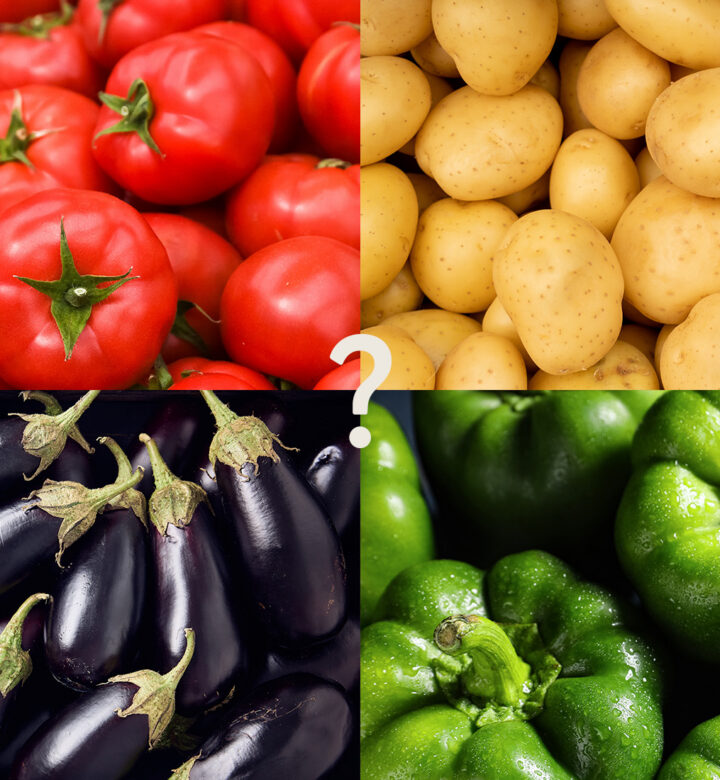
Simply put, nightshades are a group of fruits and vegetables that are part of the Solanaceae plant family. Foods you’ve likely eaten (or at least heard of) that fall into this category include tomatoes, peppers, eggplants and potatoes. And depending on who you ask, these foods are either totally harmless kitchen MVPs or the hidden culprit behind everything from bloating to inflammation. So…what’s the deal? 

What Are the Positives?

Despite their less-than-stellar reputation in certain corners of the internet, nightshades actually bring a range of health benefits to the table. For starters, many of the foods in this group are packed with fiber and beneficial plant compounds including antioxidants and polyphenols.

From a gut health perspective, the fiber found in nightshade foods like potatoes, tomatoes, peppers and eggplant is especially important. Fiber helps keep things moving through the digestive tract and nourishes the beneficial bacteria that make up your gut microbiome. Plus, the wide variety of plant compounds found in nightshades may help support a more diverse gut microbiome. Registered dietitian Jackie Bridson adds that “eating a variety of plant foods, including nightshades, can help positively shape the microbiome over time.”

Another point in their favor? They’re incredibly versatile and easy to eat. Nightshades show up in everything from pasta sauces and fajitas to sheet-pan dinners and breakfast casseroles, making it a pretty effortless way to include more plants in your diet. And unlike some healthy foods that require a trip to a specialty grocery store, tomatoes, potatoes, eggplants and peppers are widely available and relatively budget-friendly, too.

Are Nightshades Bad for You?

Short answer: Probably not.

Much of the nightshade discourse comes down to naturally occurring compounds called glycoalkaloids, which plants use as a defense mechanism against pests and predators (think of it like a plant’s built-in security system). When consumed in very large amounts, these compounds can cause digestive issues in some individuals and may even be harmful, but the levels found in commonly eaten nightshades are considered safe for most people.

So where does the controversy come from? Some research suggests that certain people—particularly those with digestive conditions like inflammatory bowel disease, including Crohn’s disease and ulcerative colitis—may be more sensitive to glycoalkaloids and have trouble digesting them. Researchers have also started to explore whether these compounds may play a role in gut inflammation and symptom severity in individuals with Crohn’s disease or ulcerative colitis. As a result, some people with digestive conditions may find that certain nightshades aggravate their symptoms. 

For most people, though, that’s not the case. “For the majority of people, nightshades are healthy foods that provide important nutrients and contribute to a healthy gut,” explains registered dietitian Julie Pace. “There is no need to avoid them unless they consistently trigger symptoms for you.”

So, before you ban eggplant parm or swear off stuffed peppers, keep this in mind: Unless you’ve noticed a clear connection between specific nightshades and unpleasant symptoms, there’s little evidence that most people need to avoid these nutrient-packed foods. 

OK, Can I Eat Them or Not?

In most cases, yes. If tomatoes, potatoes, peppers or eggplant don't seem to cause you any digestive symptoms or issues, there's really no reason to cut them out of your diet. They’re nutrient-dense foods that provide fiber, antioxidants and other plant compounds that support overall health (your gut included).

Of course, food isn't one-size-fits-all, and it’s important to remember that what works for you might not work for someone else. "Two people can eat the same food and respond very differently, which highlights how individualized nutrition really is," says Bridson.

If you have a digestive condition like Crohn's disease, ulcerative colitis or IBS and you've noticed a consistent pattern of uncomfortable symptoms after eating certain nightshades, it’s worth checking in with a healthcare provider or registered dietitian to figure out what’s going on. 

It’s also important to point out that, in rare cases, people can have true allergies to nightshade foods, just like with any other fruit or vegetable. These cases are uncommon, but they do exist, and anyone experiencing symptoms like hives, rashes or more severe reactions after eating them should seek medical support and should avoid including these foods in their diet.

For everyone else without a digestive condition or allergy, there’s no need to stress over your pasta sauce or side of roasted potatoes. Nightshades are nutrient-rich plant foods that contribute to an overall balanced diet, and unless you’ve noticed that they consistently trigger uncomfortable symptoms, there’s probably no reason to kick them off your plate.

5 French Nutrition Rules More Americans Should Adopt, According to a Dietitian


JaneLeverichHeadshot 160x160

Jane Leverich, M.S., RDN

Contributing Editor

  • Registered dietitian
  • Nutrition writer
  • Pilates instructor