The 4 Rules of Designing with Wood in 2025

Think hibernation, but chic

PureWow editors select every item that appears on this page, and some items may be gifted to us. Additionally, PureWow may earn compensation through affiliate links within the story. All prices are accurate upon date of publish. You can learn more about the affiliate process here.

wood furniture trends
Dasha Burobina/PureWow

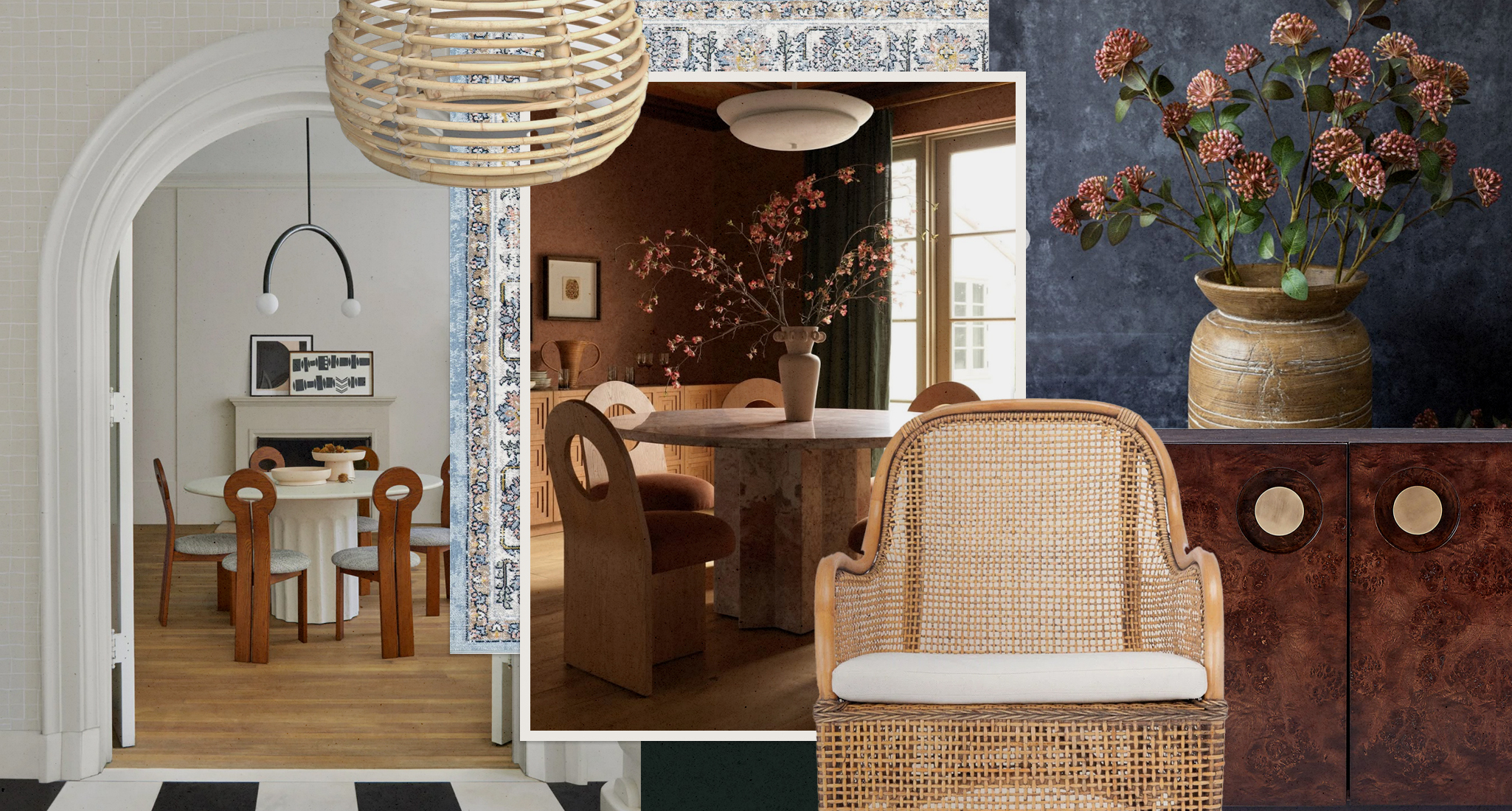
I just moved into a new home, and so I’ve been indulging my off-hours passion of interior design in a big way. I’m really getting behind the various fall design trends, from castlecore (it’s vintage, but it’s grand!) to colorful kitchens. I’m especially inspired by the latest wood furniture trends, which include a collection of coordinated colors and tones that don’t exactly match, but they blend in an intentional, sophisticated way. After years of so much metallic, glass and plastic materials shining all over our homes, the warm glow of wood is so comforting and even cocooning—just what I’m looking for ahead of winter. (No wonder realtors report the look is in high demand and that wood-drenched spaces are one of Houzz’s top design trends of 2025.)

This all dovetails nicely with a related interiors trend, wood drenching, which is a play on the color drenching craze of late. In wood drenching, wooden tones extend beyond furniture to cover flooring, ceilings and, in a return from the 1970s, wood paneling (a variation on the shiplap we have seen in the Joanna Gaines portfolio).

What I like most about this design movement is how I can add a few warm wood tones without jettisoning all the pieces I’ve spent years collecting—and how nothing in the vibe is too trendy or going to look too dated. (And, tbh, wood furniture is always a candidate for paint, limewash or staining during future re-dos.)

So, how do you get in on the wood-drenching trend—or simply incorporate more wood pieces in general—while keeping your home feeling fresh for 2026? I’ve ID’ed four key design takeaways, and the pieces to try, to weave the style into your home. Here’s exactly what to do.
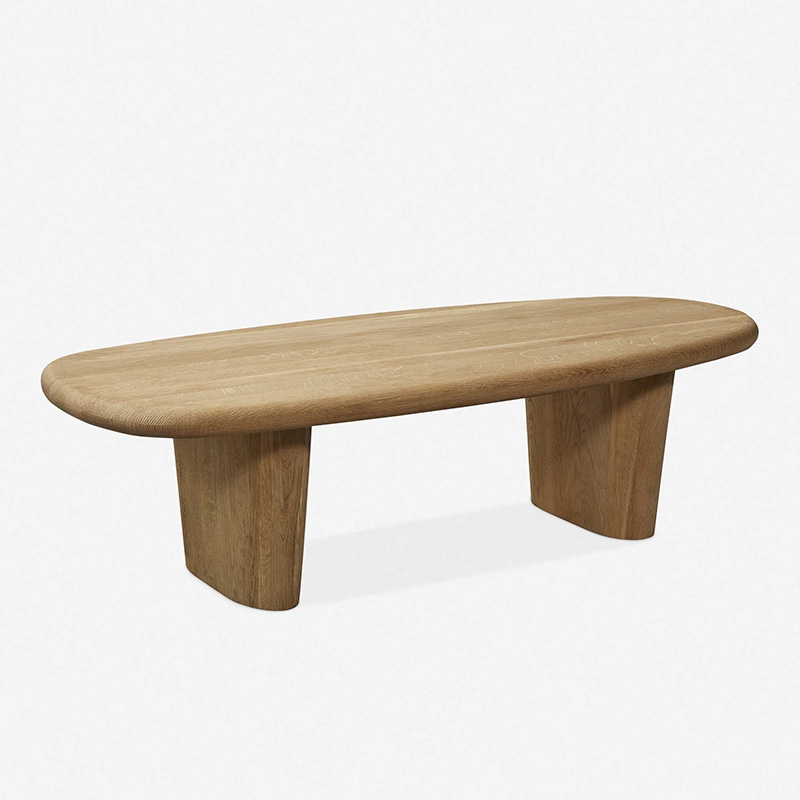
1. Do Choose Cool *or* Warm Tones

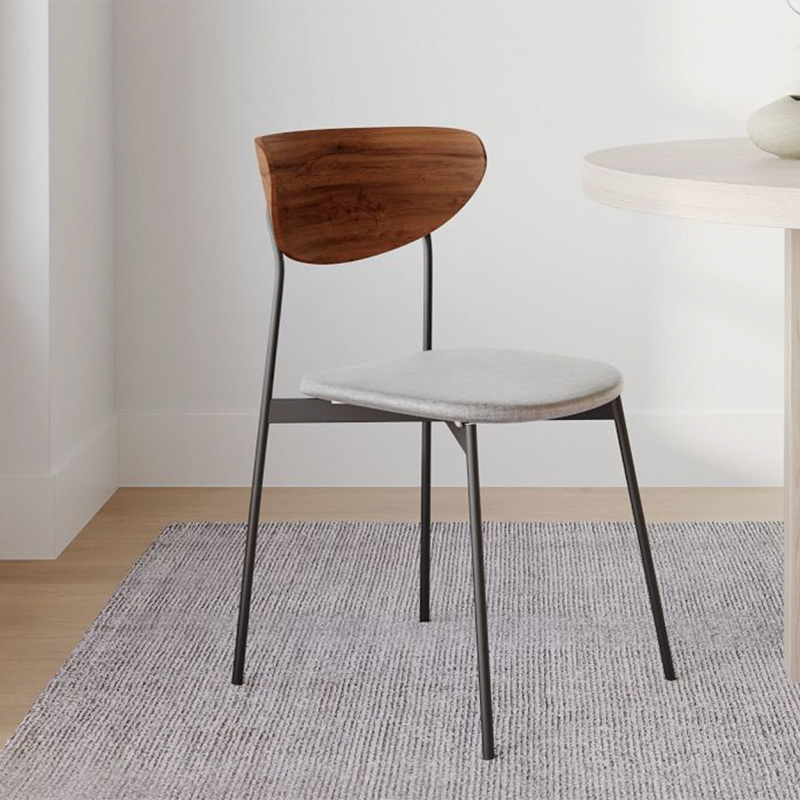
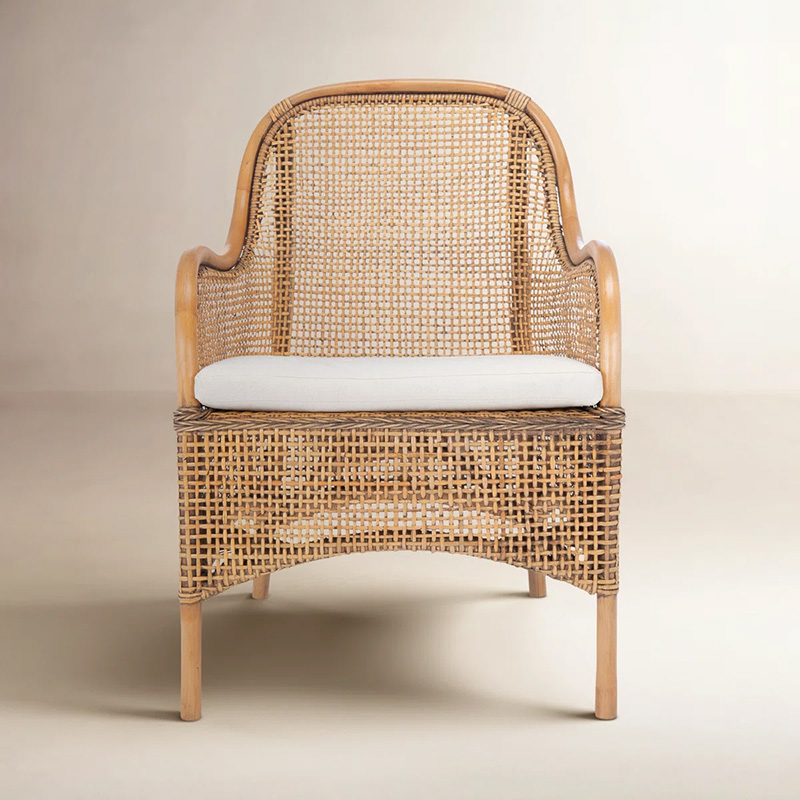
Call it the curse of a Victoriana childhood, but my first image when someone says “wood furniture” is often heavy, dark and dated. That could not be less true in the design world today, when lighter wood pieces in streamlined shapes can cohabitate with darker or vintage pieces. One important tip to remember is to keep your wood choices in the same tonal family—for example, if you start with a warm wood floor, choose dominant wood pieces in that same warmth. By contrast, if you have a large item that’s bleached oak or other Scandifornia cool shade, choose wood pieces that also have less of a reddish or yellow wooden undertone.

2. Vary Shapes and Styles of Wood

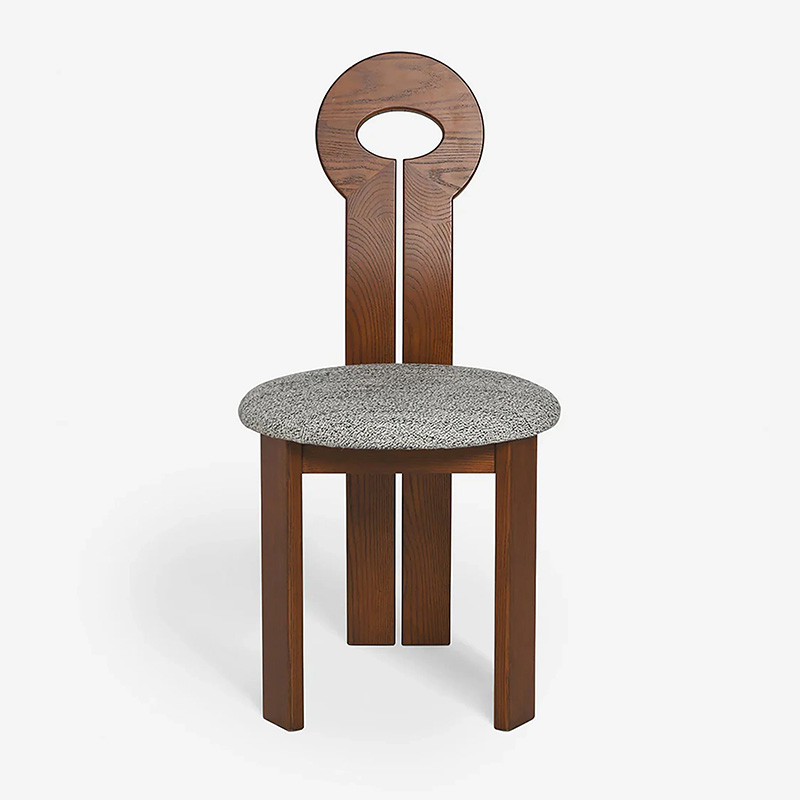
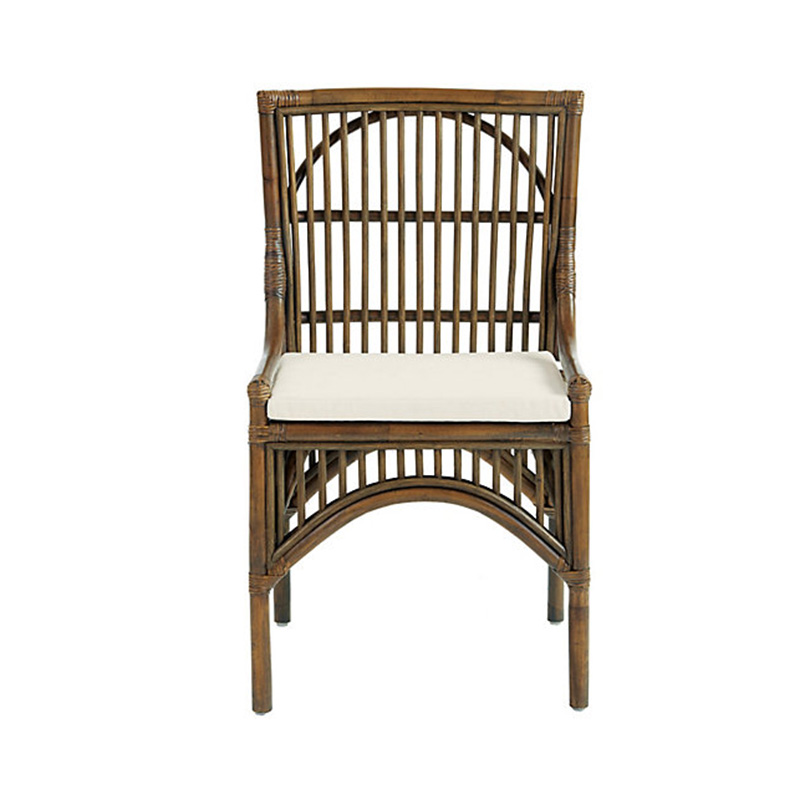
The exact last thing you want to do is recreate the look of a matchy-matchy furniture set, so balance shapes and sizes of furniture. If you have a rectangular sideboard in your dining room, for example, consider a curved table or chairs to create visual interest. And don’t rely too much on one historic period or design style in any one space–a 1970s bentwood side table and fin de siècle antique settee can live quite nicely in dialogue.

3. Do Consider Walls and Cabinetry

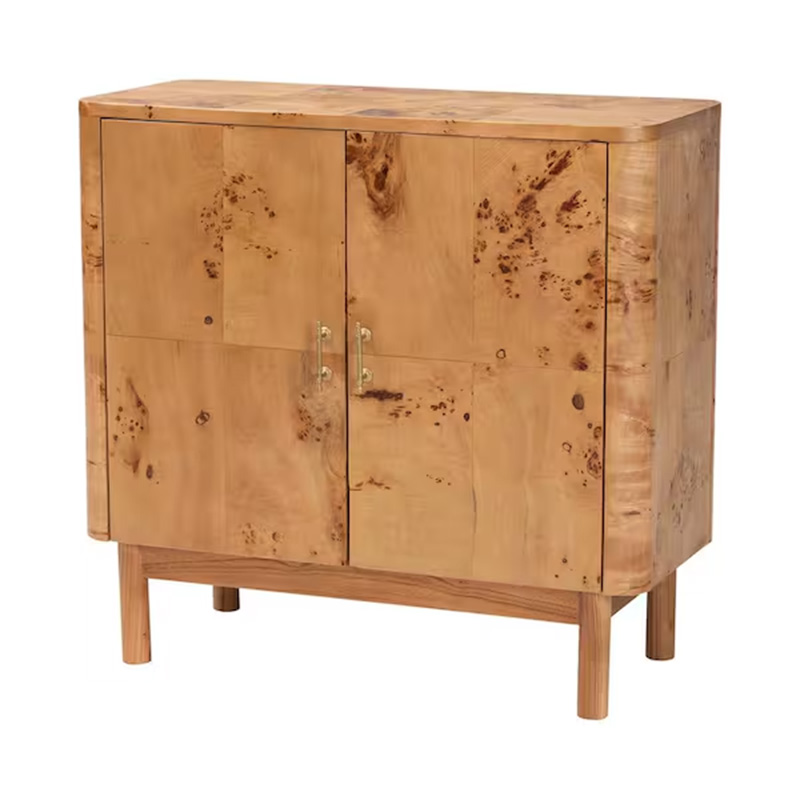
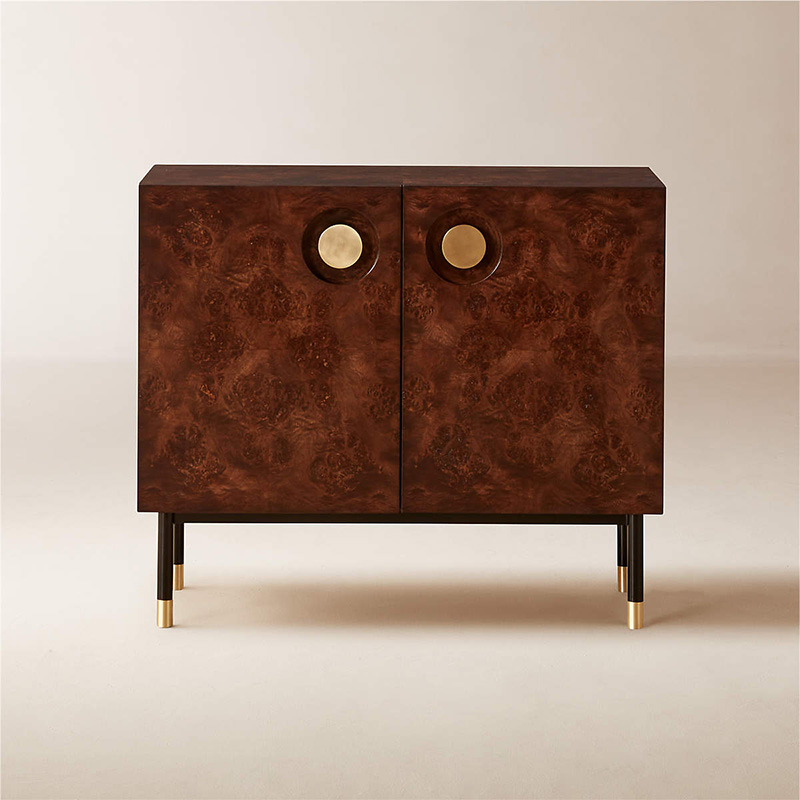
While you may not be up for creating an entire feature wall of hewn railroad ties or similarly textured wood (a style from designer Abigail Ahearn), you can get a similarly large swath of wood into your space by choosing case goods (armoires, TV stations, bookshelves and the like) in rich wood tones. If so, follow Ahearn’s lead and use wood throughout the room so that you’re left with a cohesive look.

4. Break Up Tones with a Rug

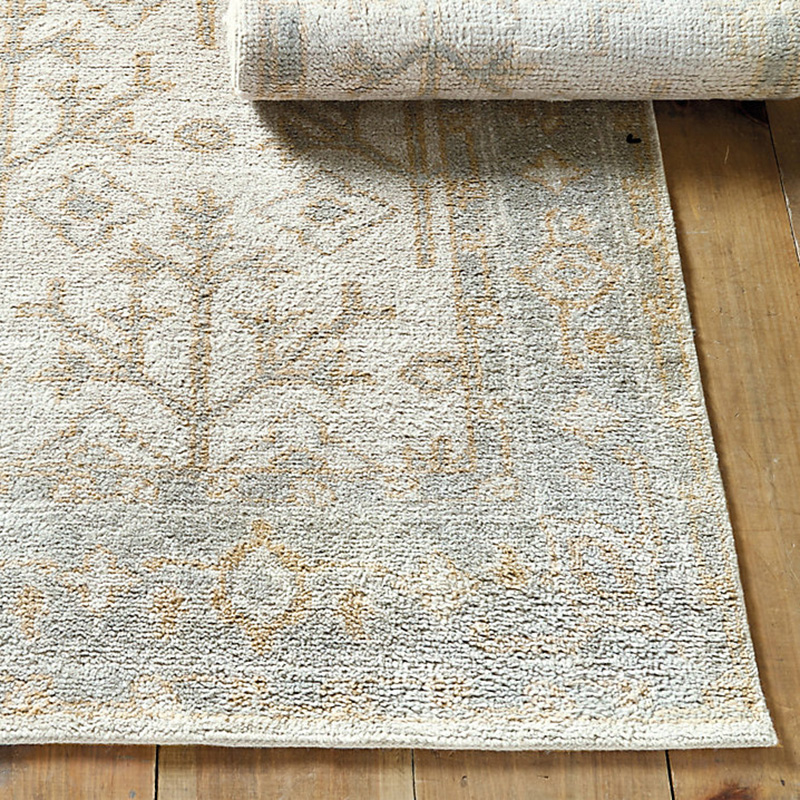
Let’s say you’re in love with a French Provincial dining table and don’t have the wherewithal to stain either your floors or the table to match one another. Then…just don’t! Instead, put a little distance between the two warring shades with a large rug. It serves as a grounding element and tonal palate cleanser, and it works best if the coolness or warmth of the colors matches the temperature of the piece atop it.


dana dickey

Senior Editor

  • Writes about fashion, wellness, relationships and travel
  • Studied journalism at the University of Florida