Olivia Rodrigo’s Babydoll Dresses Are Causing a Very Weird Cultural Spiral

Well this got heated quickly

olivia-rodrigo-babydoll-dress
ALEXJR / BACKGRID

Breaking news from the celebrity-sphere: Olivia Rodrigo wore a babydoll dress last weekend and the internet reacted as if she’d personally dismantled society’s moral compass with puff sleeves and a hemline. 

The 23-year-old singer took center stage in Barcelona for the Billions Club Live performance in a Generation78 top, continuing a look she’s been leaning into for months now–tiny dress, blown-out proportions, smudgy eyeliner. But instead of simply saying it wasn’t for them, critics immediately spiraled into discourse about infantilization, sexualization and whether grown women should wear dresses that vaguely resemble something they once donned for a seventh-grade birthday party.

One commenter on Deuxmoi wrote, “I wish that she would dress like the grown woman that she is. The proportions are so weird.” Another added, “I like Olivia’s style, but she needs to stop with the diapers.” Others took things much darker: “If you are repulsed by Epstein and his friends but you like this dress then you have some thinking to do.”

What’s strange about the backlash is that the babydoll dress has never been about innocence. The look traces back to 1942, when designer Sylvia Pedlar created the original babydoll nightgown as a response to wartime fabric restrictions under the U.S. War Production Board’s General Limitation Order L-85, which required a 15-percent reduction in fabric for women’s clothing. The shorter hemline was practical. And the clingy, flirtier result immediately became…provocative.

By the 1960s, Twiggy and Brigitte Bardot transformed the dress into something rebellious. At the time, conservative tea-length hemlines still dominated fashion, and suddenly here were women rocking abbreviated dresses, giant eyes, messy hair and a tell-it-all attitude. The look represented youth, yes, but also freedom and a rejection of polished womanhood.

Then came Courtney Love in the ’90s, stomping around in shredded babydoll dresses, smeared lipstick and combat boots. Love did not wear babydolls to appear childlike. She wore them to make people uncomfortable. Riot grrrl culture embraced the same contradiction: hyperfeminine silhouettes mixed with rage, noise and sexuality that belonged entirely to them.

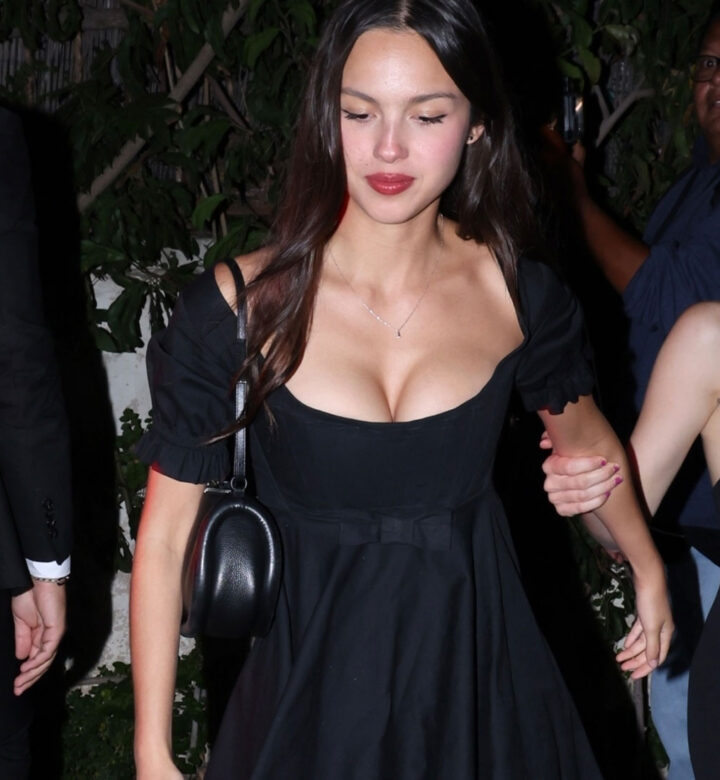
Rodrigo has openly cited that lineage. “I really love the idea of a babydoll dress,” she recently told Vogue. “I just remember being younger and having pictures of Courtney Love and Kat Bjelland from all these riot grrrl punk bands in their babydoll dresses, just owning it.” And earlier this year, she told British Vogue, “My Pinterest is all babydoll dresses and ’70s necklines. I want it all to feel fun and laid-back.”

quotation mark

Culture says women should stay youthful forever, but the second they reference youth too literally, people panic.

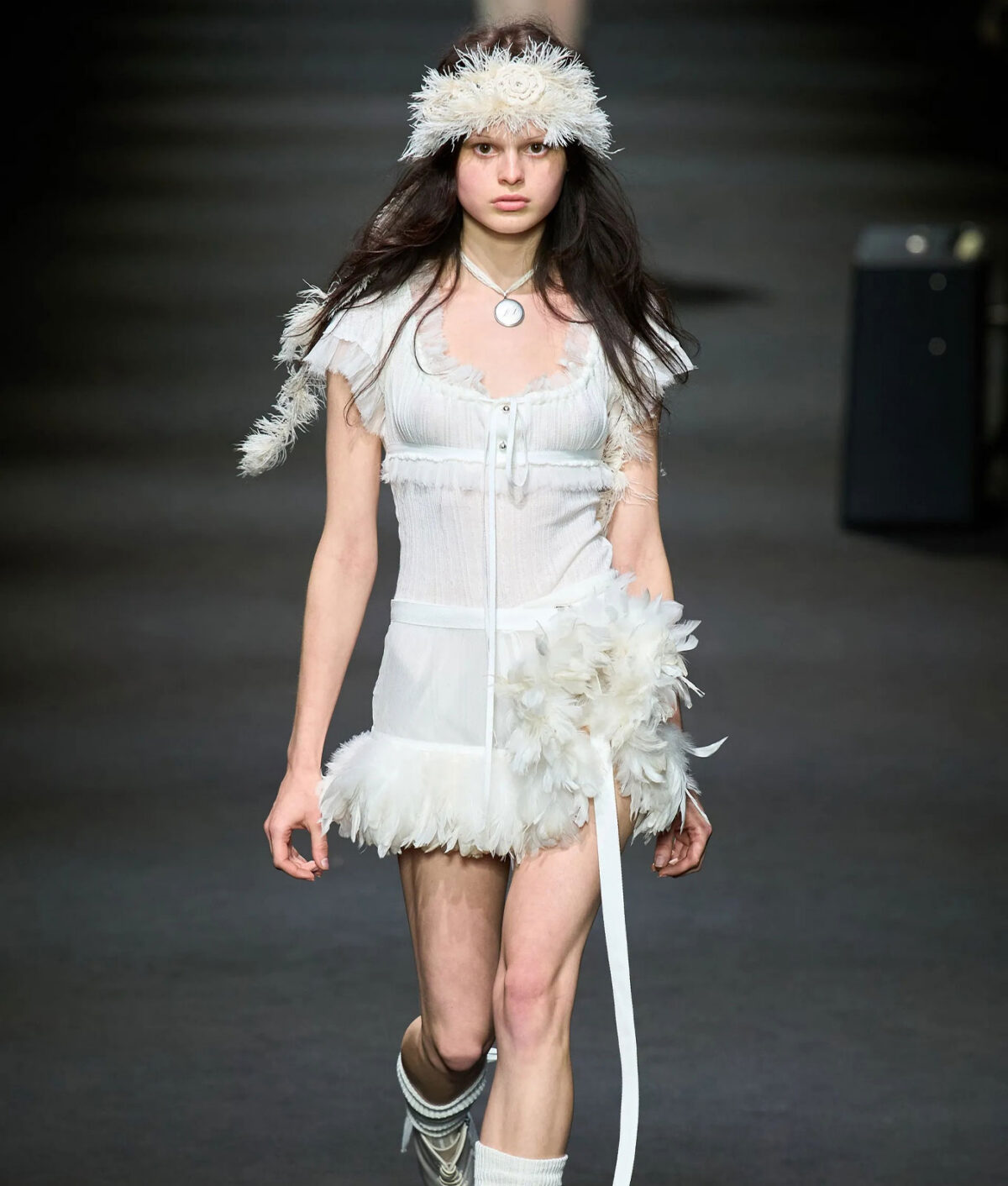
And establishment fashion agrees with her. Miu Miu, Ann Demeulemeester and Chloé all sent versions of the babydoll silhouette down their Spring 2026 runways, complete with ruffled sleeves, tiny skirts and varying degrees of dishevelment. After all, couture has long been obsessed with the tension between innocence and rebellion, sex and virginity.. I mean, Prada built entire collections around it!

ann-demeulemeester-babydoll-dress
Shutterstock

Still, the backlash against Rodrigo reveals something bigger about how people react to women dressing “girlishly” after a certain age. Culture says women should stay youthful forever, but the second they reference youth too literally, people panic. Wear a babydoll dress and suddenly strangers online are diagnosing your psychological state and asking why you refuse to “dress like a grown woman.” Which is funny, because nobody says this to 42-year-old men stomping around in varsity jackets and basketball shorts. But, I digress. 

What makes the outrage even stranger is the timing. Let’s not forget, we are currently living through an era of near-total celebrity nudity. Sheer dresses dominate red carpets. Visible nipples have become so common they barely qualify as discourse anymore. Somehow, nobody is writing think pieces about infantilization and oversexualization when celebrities are nearly naked.

Personally, I think it reveals the most about the criticizer themselves. If you see a 23-year-old woman in a short dress with puff sleeves and immediately leap to calling her a harlot, perhaps the issue is not, um, the dress. One Deuxmoi commenter put it more bluntly: “if you see this dress and immediately think it’s sexualizing toddlers, the problem is YOU!”

Rodrigo’s dresses do not read as infantile to me. They read rock-and-roll. They read slightly chaotic, very unserious and DEEPLY informed by fashion history. They feel connected to a long tradition of women using exaggerated femininity as rebellion; not submission. Perhaps we need to stop pretending every short dress with a bow on it is part of society’s collapse. Sometimes a babydoll dress is just a babydoll dress. Sometimes a pop star wants to look cute while singing songs about emotional devastation. Frankly, that feels extremely age-appropriate, no?


Deena Headshot

Deena Campbell

Fashion and Beauty Director-at-Large

  • Oversees fashion and beauty content. 
  • Former Beauty Director at Marie Claire; editorial lead at Allure, Essence, and L’Oréal-owned beauty platforms
  • Advocate for inclusive storytelling in style, beauty, and wellness