
How to Say No to Your Kids Without Feeling Like a Monster

But I’m a cool mom!

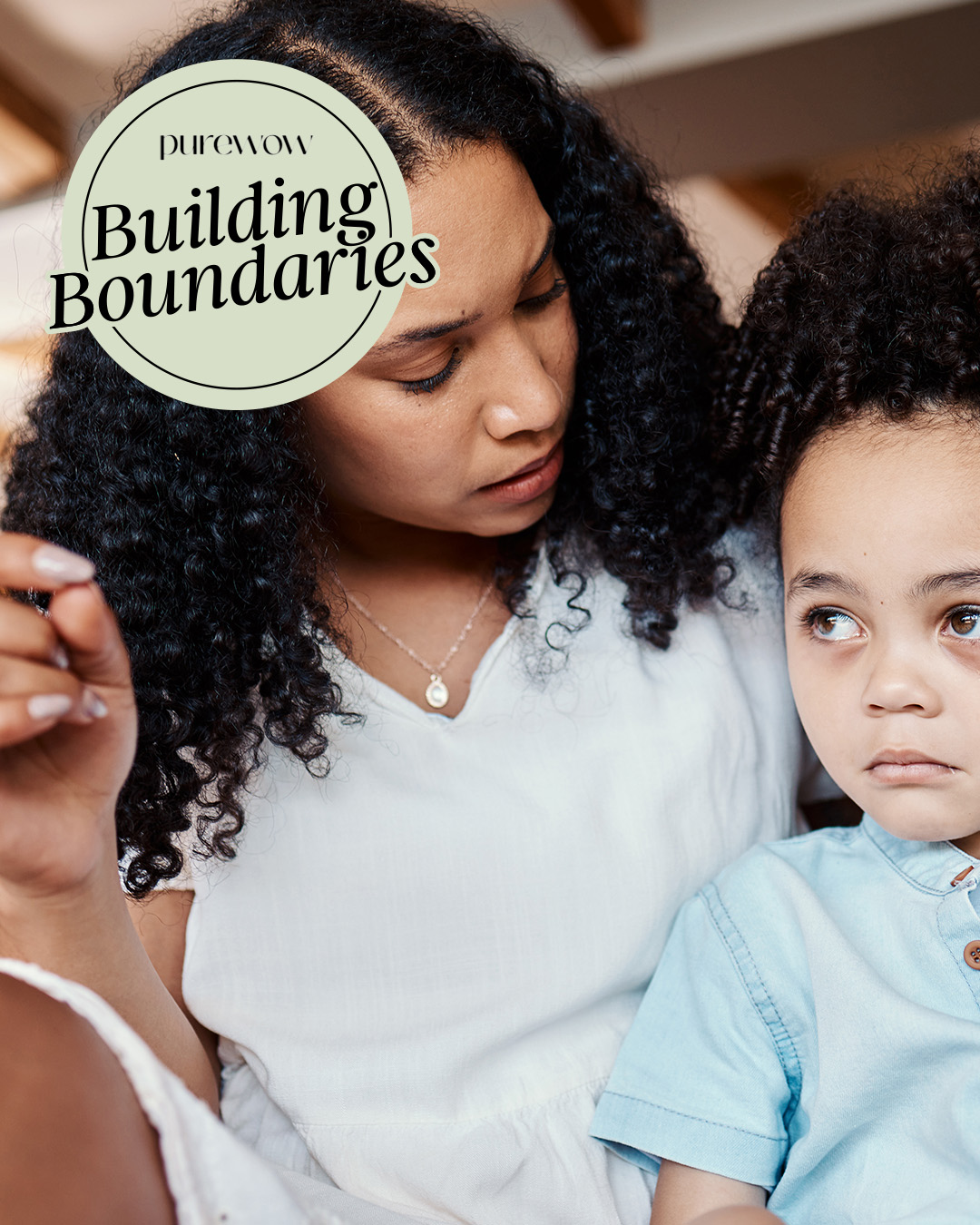
A mother gently talks to her very upset daughter
Jacob Wackerhausen/Getty Images

Is there a better serotonin hit than when what your child’s wants aligns with what they need? If only “MORE BROCCOLI, MAMA!” were a more popular reprieve in my house. But no. Most of the time, my parenting consists of creative ways to say “no.” And even though my brain understands that clear boundaries—“No, you can’t have a King-Size Hershey bar for dinner”—creates security and connection, it’s such a bummer to be the bad guy—which often turns my hard-line nos into “maybe later!” And yet whether you beat around the push or try to get creative, you’ll eventually have to confront the beast. So why is it that when we say no to our kids we feel like Tony Soprano putting out a hit?  

“Many parents worry that saying no will damage connection or confidence—but the research shows children feel more secure when limits are clear and consistent,” shares Dr. Cindra Kamphoff, founder of Mentally Strong Institute, which focuses on social-emotional learning concepts such as grit, self-awareness, decision making and resiliency. “It’s easy to confuse love with ‘yes,’” Dr. Kamphoff says, but keeping kids happy while avoiding the tears isn’t teaching kids confidence or resilience—it’s hiding them from it. 

Why It’s Good to Say No 

Children feel more secure when the rules of their world are clear and consistent, Dr. Kamphoff explains. “You’re building psychological and emotional safety. Boundaries communicate: ‘You’re safe, I’m in charge, and you can trust me.’ Predictability supports confidence and secure attachment.” Ultimately, if you model healthy boundaries, kids grow up to repeat firm, kind boundaries—not so that they can exist in a bubble, but so they can advocate for themselves in different arenas of their lives. 

3-Step Confidence-Building “No” Script 

Here’s a simple three-step script for parents working on saying no to their kids, designed by Dr. Kamphoff. 

  • Acknowledge the feeling: “I know you really want ___ and it’s disappointing.”
  • State the boundary clearly: “The answer is no right now.”
  • Offer structure or a choice: “You can choose __ or __ instead.”
  • Add a confidence message: “I believe you can handle this, even though it’s hard.”

Example: “I know you really want more screen time and that feels frustrating. The answer is no right now. You can play outside or draw instead. I believe you can handle this.”

Healthy Boundaries vs. Rigid Parenting

So maybe you’re not gonna be “the cool mom,” but you also don’t want to be “scary mom.” Dr. Kampoff’s take on the dichotomy is simple: Is the boundary for a purpose or power? “Ask yourself, ‘Is this limit teaching a value or skill—or am I just trying to control?’” Rigidity feels disconnecting; boundaries maintain connection. “After a boundary,” Dr. Kampoff expands, “connection is still possible: a hug, eye contact, or ‘I’m here when you’re ready.’”

Is your “no, you can’t have a Hershey's King-Size bar for dinner” going to set off a tantrum? Probably. But as Dr. Kamphoff reminds us, boundaries are really just love in a sturdier outfit. Say no to the candy for dinner today, and tomorrow your kid might just be able to handle a little disappointment without falling apart. Boundaries don’t make you the bad guy—they make you the grown-up.

How to Say No to Your Mother-in-Law Without Starting World War III


DaraKatz

Executive Editor

  • Lifestyle editor and writer with a knack for long-form pieces
  • Has more than a decade of experience in digital media and lifestyle content on the page, podcast and on-camera
  • Studied English at University of Michigan, Ann Arbor