I jump between the dating experiments, the high-production-value cooking challenges, the ‘we had 400 kids, now what?’ shows, but my constant in the unscripted world is Bravo. The ‘Housewives’ are as big a character in my life as anything else—Andy Cohen could have (should have!) walked me down the aisle. Reality TV encompasses so much of programming today, likely because it’s generally cheaper to produce and less regulated than scripted, and then there’s the fact that just we can’t seem to get enough. Whether you’re into off-the-grid Alaskan crab-hunting survival or Mormon trad-wifes, there’s a show for everyone, by everyone. But why do people watch reality TV? Is it the chaos, the catharsis, the chance to see people behave in ways we never would (but secretly maybe wish we could)? Or is it something deeper—about storytelling, identity and our weird need to see ourselves reflected in people we swear we’re nothing like? I asked two experts to explain our obsession.
Why Do People Watch Reality TV? I Asked 2 Experts to Explain Our Collective Bravo Obsession
Cringe, connection or a Housewives-shaped hole in our collective psyche?


Meet the Experts
Racquel Gates is an associate professor of film and media studies at Columbia University, where she teaches a variety of courses including one on reality television. She is the author of Double Negative: The Black Image and Popular Culture (Duke University Press, 2018) and is currently writing her second book, Blackness and the Invention of Hollywood Style.
Dr. Aymar Jean "AJ" Escoffery is the Margaret Walker Professor of Communication Studies at Northwestern University and 2024-25 Visiting Scholar at Harvard University’s Berkman Klein Center. He is the author of Open TV: Innovation Beyond Hollywood and the Rise of Web Television (NYU Press, 2018). His research & development has been supported by the National Science Foundation, National Institute of Health, MacArthur Foundation and Wallace Foundation, among others.

We Watch Reality TV More Because of the Connection Than the Cringe
The pessimist in me assumed that we watch reality TV because we can’t help but wallow in others’ pain. (That Tom Sandoval is getting what he finally deserves!) But maybe that’s actually a much smaller part of the picture. “I think that the fundamental appeal of reality television is the opposite of cringe/schadenfreude,” Gates tells me.
Sure, some of that stuff is at play, she concedes, but maintaining a long-time viewership based on feeling uncomfortable is not sustainable. Think of all the times someone’s said to you they had to stop watching a show because it became “too much.” (Season two of The Valley comes to mind, as the real-life issues became too sad, too real).
“Instead, it's the deeper connection: identification, empathy, and so on, that forms the base of why we continue to watch. If you look at long-running shows like the Real Housewives franchise, or Vanderpump Rules, or the longevity of Jersey Shore, it seems clear that these shows have built loyal fanbases because of human connection. We may have laughed at Snooki getting arrested for drunken behavior on the beach in 2010, but that momentary cringe wouldn't sustain viewership 15 years later.”

To Snooki’s credit, there’s a reason the network invested in shows that check-in on the crew a decade and a half later. Gates recalls a specific Jersey Shore scene that speaks to this: “I remember watching the episode of Jersey Shore where Ronnie gets into a fight on the boardwalk, and Pauly immediately laces up his sneakers and runs out to back him up. People often say that the fight was the watchable moment, but for me, it was that immediate response of a friend running out to save his friend that resonated with me and reminded me of my friends and family members. And in that instance, it really transcended the specifics of the show's premise, setting and characters, and touched on something deeply human and universal.”
Dr. Escoffrey shares an early reality TV memory that has stuck with him: “I grew up on the Real Worldand remember Danny from New Orleans coming out on TV(I was too young to be watching when Pedro Zemora was on). As someone in the closet myself at the time, it felt very real.”
Reality TV Creates Community Discourse
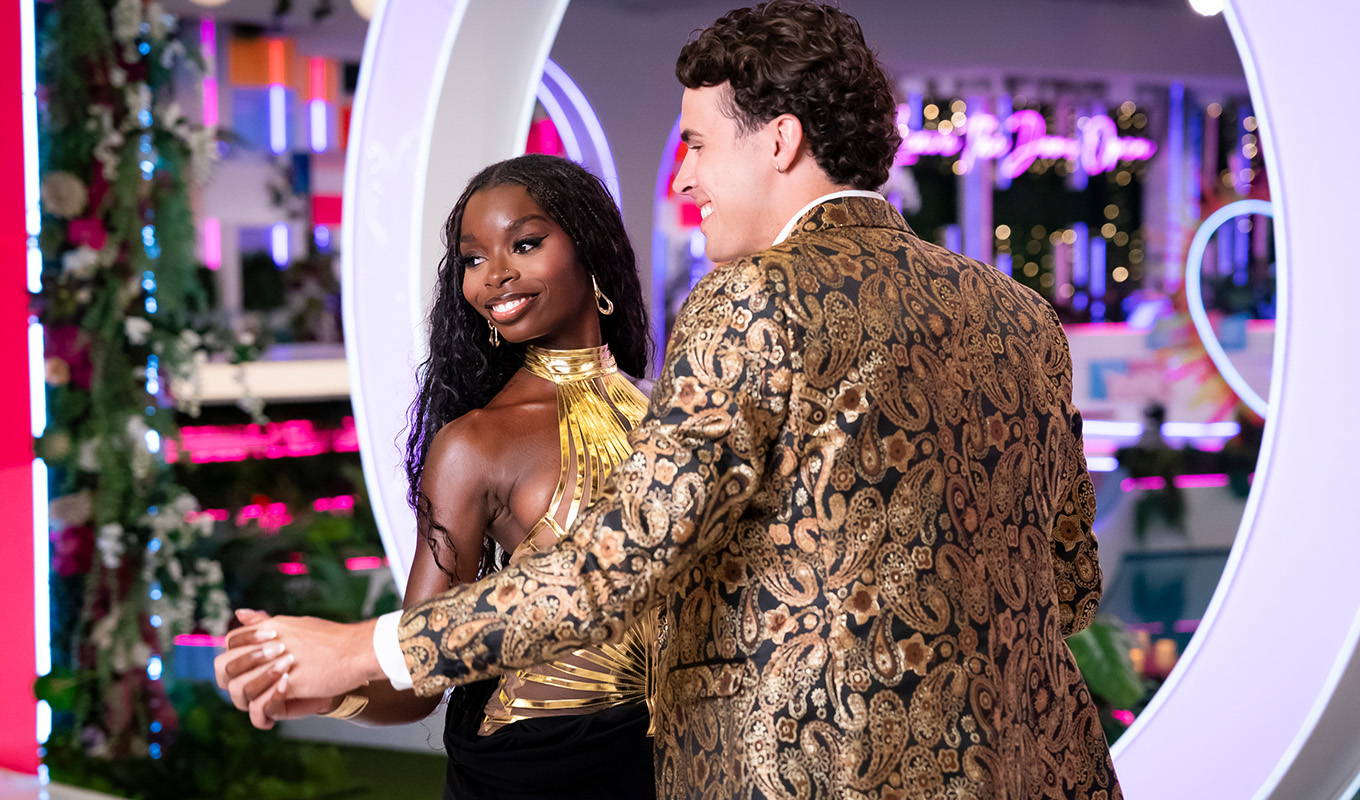
And that connection extends beyond the viewer and the stars. From the social media discourse to group text threads and old-school water cooler chats, reality shows help us process the world. Says Dr. Escoffery, “Reality TV reflects back to us the worst and sometimes best of humanity, giving us a way to understand our own actions, politics and perspectives. Most scholars assume reality TV is a way of teaching people about cultural norms, how we organize ourselves for good or otherwise, allowing us to agree or disagree about what’s right and wrong.” In some way, reality TV is like an open source cultural syllabus that makes us normal folks feel connected to each other.
Why We Connect With Reality Stars Differently From Celebrities
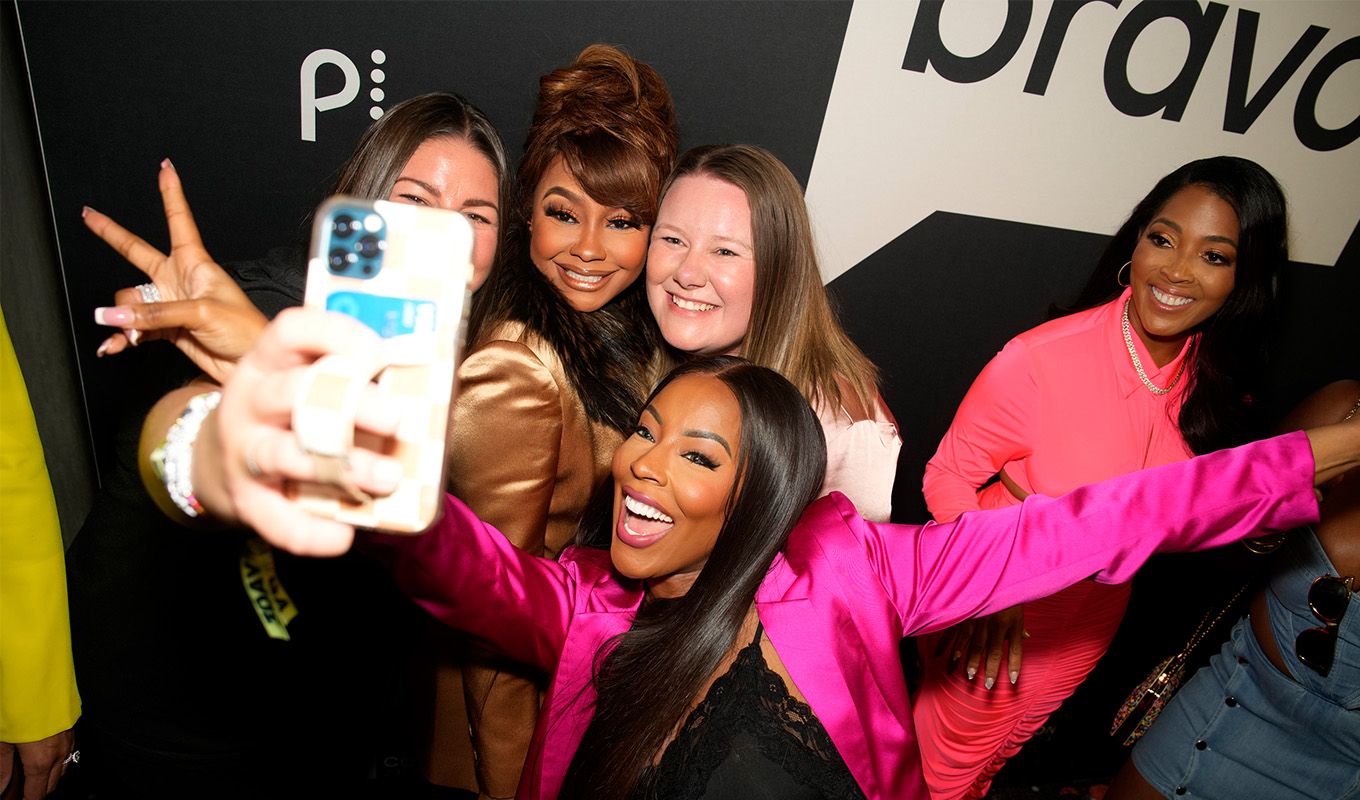
Gates explains this in simplest terms: “We know that we could never be friends with, say, Zendaya, so we 'ship her from a distance, but we feel like we could actually hang out with Ariana Madix.” Truth. “The fact that the reality TV personalities are ‘regular people’ makes them seem much more accessible to the viewer,” the scholar continues, “and that fantasy of proximity is a powerful one that keeps us watching them across media (television and social media).” There’s also an awareness at play between reality stars and viewers. We know that shows are produced and storylines can be manufactured, but with reality TV, there’s still less of that than with celebrity. “Reality stars are much easier to pass as authentic, even though increasingly they are cast as social media micro-influencers and see themselves as public figures, managing an image just with fewer resources,” explains Dr. Escoffery.
The Bottom Line
When I started digging into the question of why people watch reality TV, I realized that “reality TV” is probably too sprawling a category for one neat answer. Still, as Dr. Escoffery put it, the appeal comes down to something universal: “Reality TV reflects back to us the worst and sometimes best of humanity, giving us a way to understand our own actions, politics and perspectives.” Maybe we tune-in for the chaos—the table flip, the boardwalk brawl, the hot mic confession. But we stay because reality TV isn’t just about them. It’s about us.