The TV series Animal Kingdom was popular when it first came out on TNT, but it gained even more viewers after moving to Netflix, and I’m one of them. In fact, I just finished watching the entire series, and its portrayal of generational trauma and dysfunctional family dynamics is far more commanding and substantive than I expected from a gritty crime drama with lots of drugs, sex, violence and back-to-back nail-biting heists. Let me explain why.
This Gritty Crime Drama Has a 91 Percent Rating on Rotten Tomatoes (and It Spoke to Me in a Surprising Way)
A must-watch
•
Published Oct 29, 2025
Photograph by TNT
Photograph by TNT
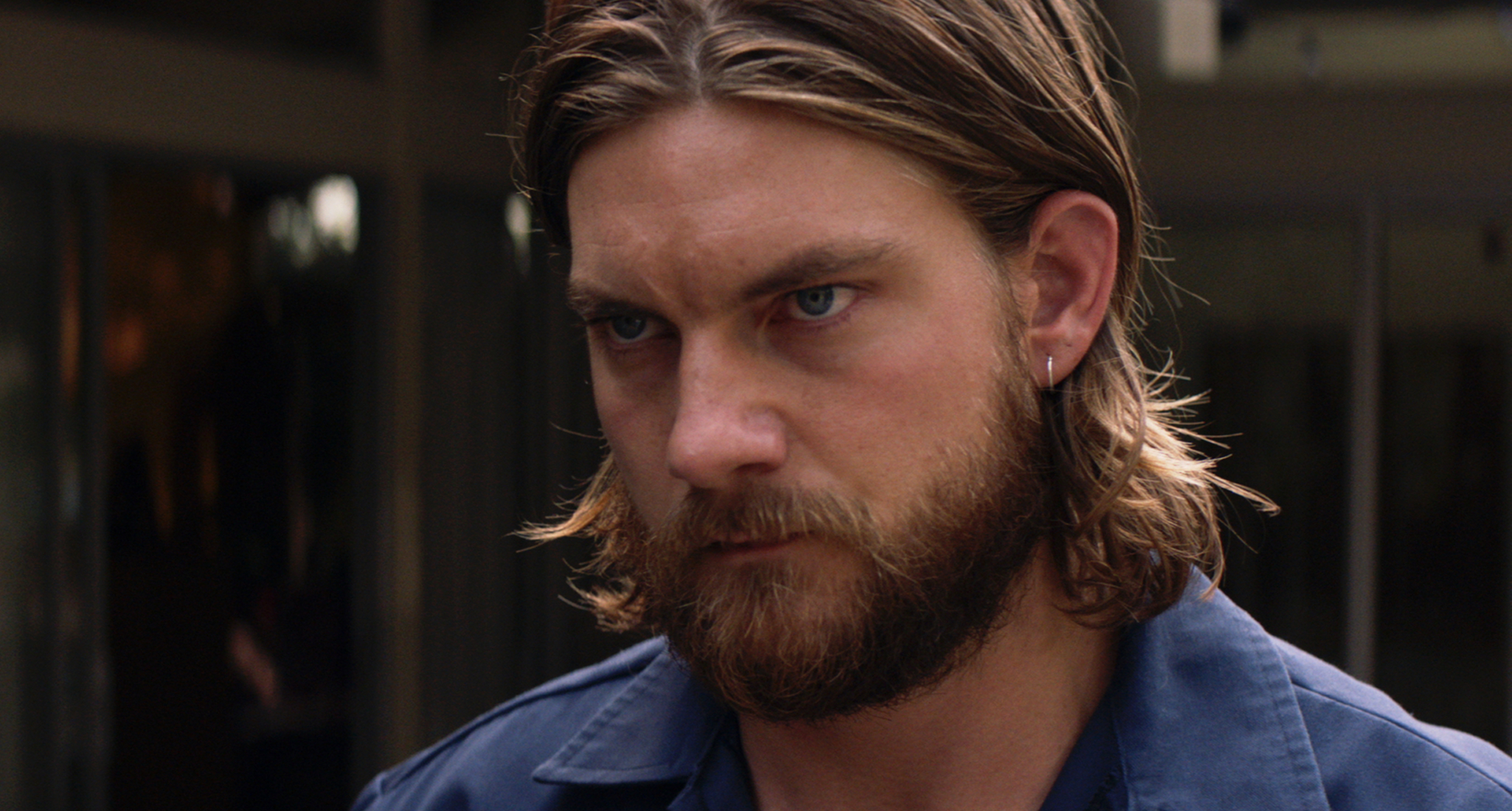
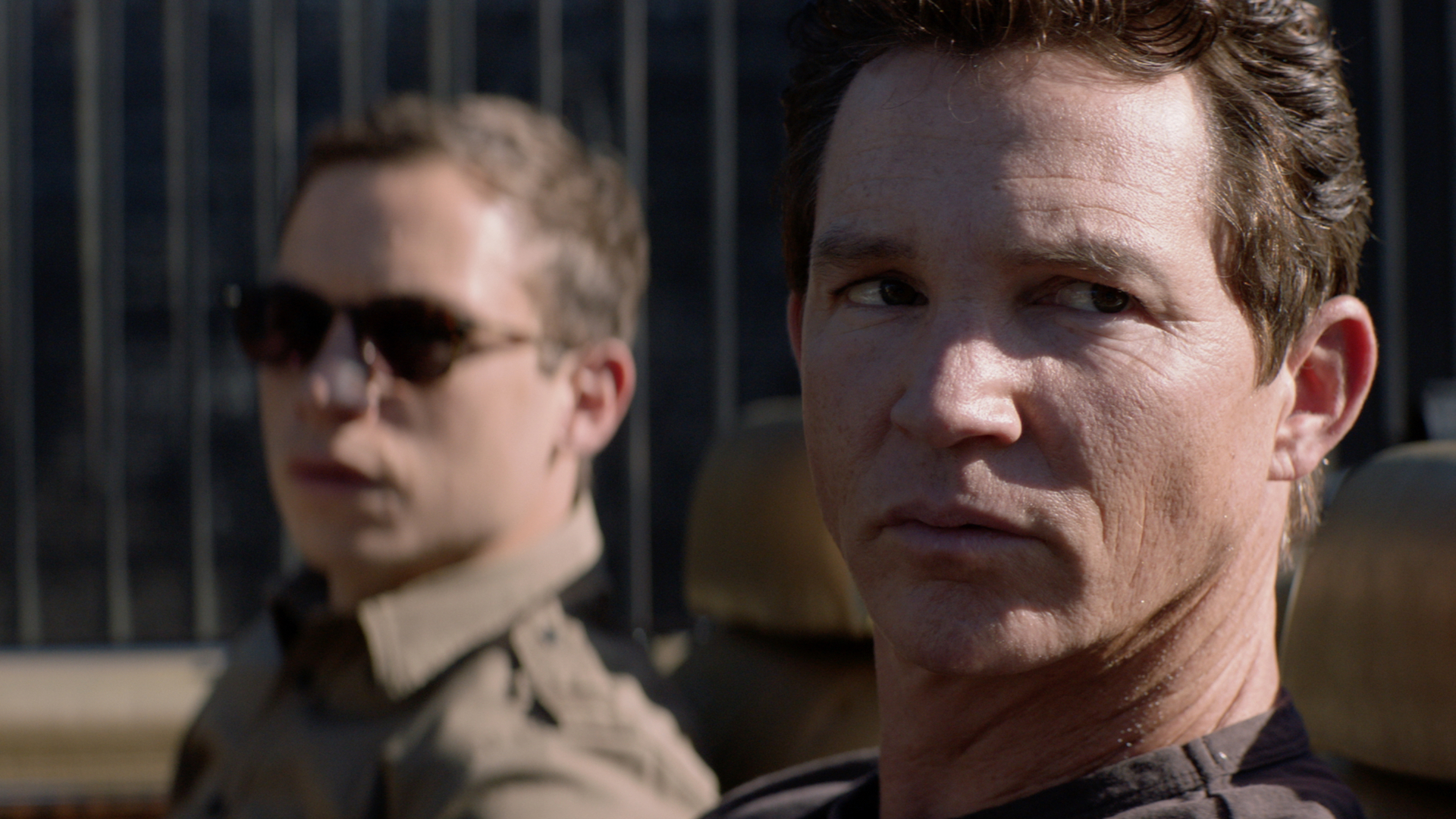
The first episode introduces the audience to Joshua “J” Cody—a teenage boy who, after the death of his mother from a heroin overdose, moves in with his grandmother, the twisted matriarch of the Cody crime family, Janine “Smurf” Cody. From there, you meet Smurf’s three devoted sons, all of whom she exercises complete control over with a combination of emotional manipulation, sheer toughness and an overtly sexual form of maternal nurturing that features home-cooked meatloaf and incestuous predation.
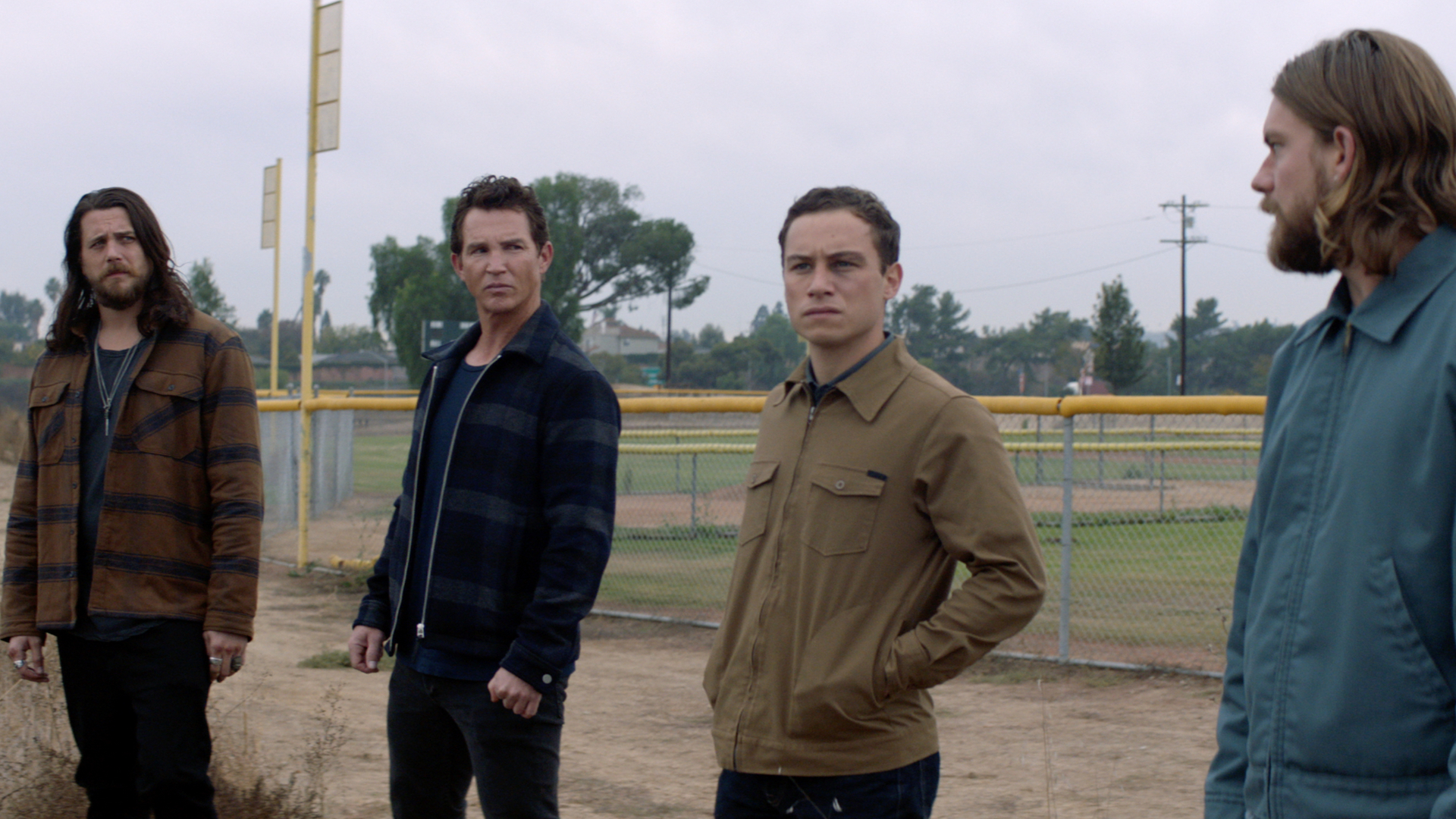
Smurf plays fast and loose with the physical and mental well-being of her sons, and their relationships with each other reveal the deep resentment they all feel about being used as pawns in her thrill-seeking game. As the boys try to branch out and grasp at straws of autonomy, a true brotherhood starts to emerge. They are able to identify a unifying problem: their mother.
Photograph by TNT
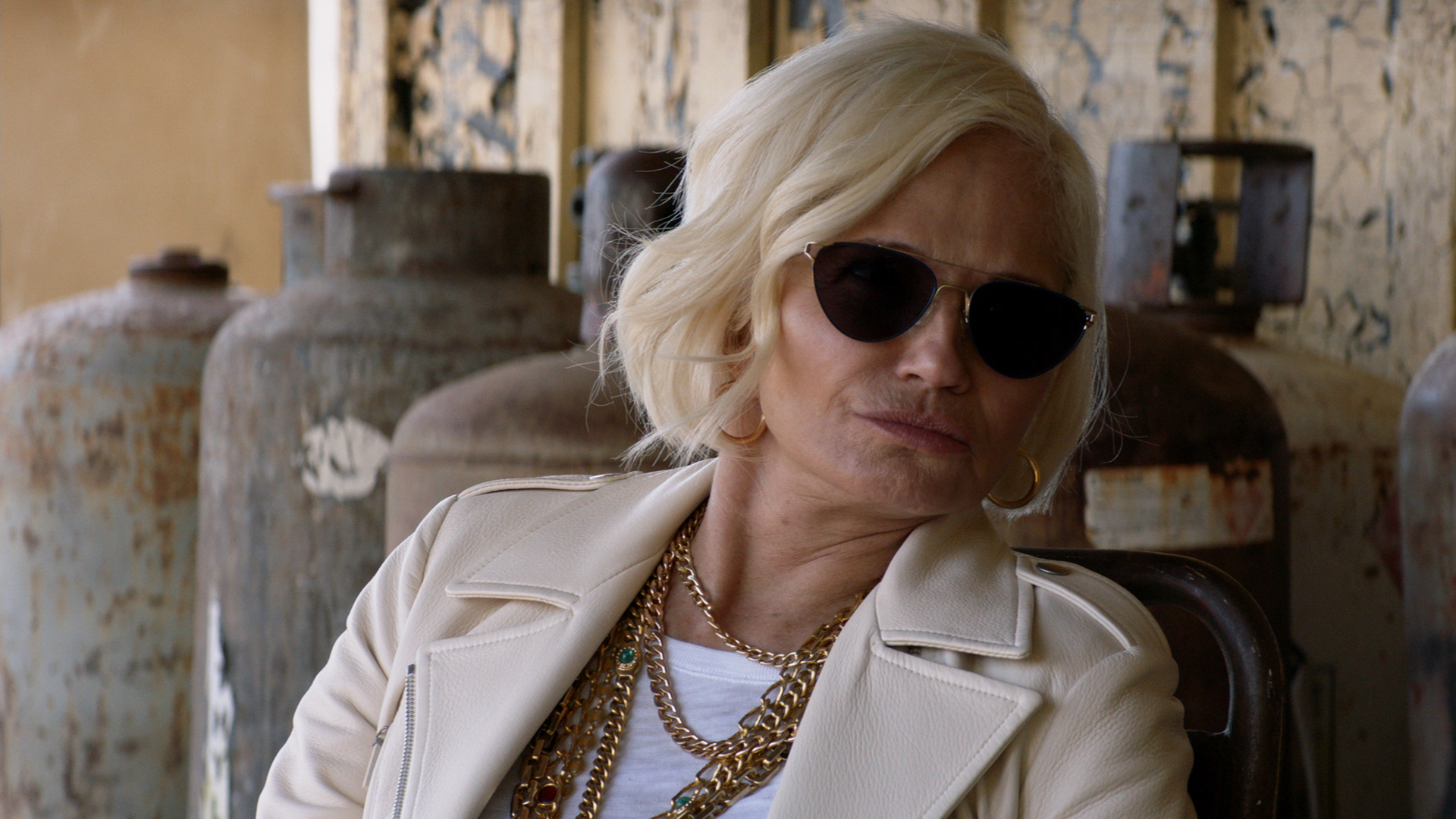
A series of flashbacks give some insight into the traumatic childhood that shaped Smurf into the formidable mob boss and fearsome mother she is, and Ellen Barkin’s performance is darkly captivating; you really get to watch a mother destroy her sons from childhood all the way to adulthood. What stands out to me about the show is the exceptional character development. Smurf is unchangeable, but when her boys begin to empathize with each other as victims of her abuse, rather than competitors in a contest for her approval, familial bonds start to form that are (at least within this context) genuinely inspiring. In the interest of avoiding spoilers, all I can say is that the progression of the show really made me think about generational trauma and the role it has played in my own family.
Full disclosure: My childhood wasn’t great and I suffer from Complex Post Traumatic Stress Disorder (C-PTSD) as a result. I’m no Smurf—in fact, I pour tremendous amounts of love into my family of four and am constantly trying to be the best mother I can possibly be for my 8-year-old son and 10-year-old daughter. Smurf’s pathology is very different; she’s Machiavellian and her children aren’t people to her, they are merely pawns. That said, my struggles with trauma certainly do affect my children and limit me in ways I regret; I am grateful that after years of therapy I at least have the language to explain my limitations to them and take responsibility when I fall short.
What struck me about Animal Kingdom is that when the brothers were all able to commiserate over how messed up their mom has always been, they actually really grew as people. The siblings felt solidarity with one another and showed it with courageous acts of loyalty and profound displays of familial love.
I have four sisters and I don’t know how I would have navigated childhood or adulthood without them. Now, years later, if my own children connecting over my shortcomings helps them find a lifelong friend in one another, that’s an outcome I can live with.
Photograph by TNT
The surprisingly poignant and extremely bingeable Animal Kingdom is streaming now on Netflix.