I'd been getting essentially the same haircut—shoulder length, a few light face-framing layers—for years, when I was welcomed into French hairstylist Jerome Lordet’s namesake New York City Upper East Side salon. Famous for his controlled cutting technique and his effortless (and iconic) take on the French bob, I decided to go for it.
I’ve never gotten more compliments on a haircut in my life.
Was this the same hairstyle, popularized in the 1980s and ‘90s, and labeled the “mom bob”? Back then, the term was shorthand for a woman who’d had kids and, somewhere along the way, stopped caring about her hair.
Now, staring back at me in the salon mirror, my “mom bob” had the same name, the same lineage, but felt totally different. And I wasn't the only one asking for the modern version.
We Owe the ‘Mom Bob’ an Apology
A reappraisal of the haircut’s 1980s identity

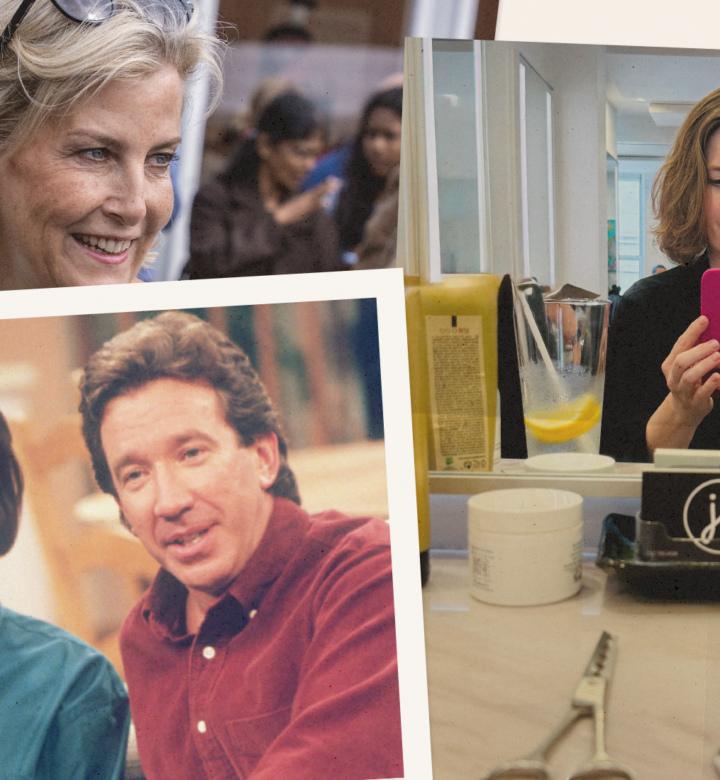
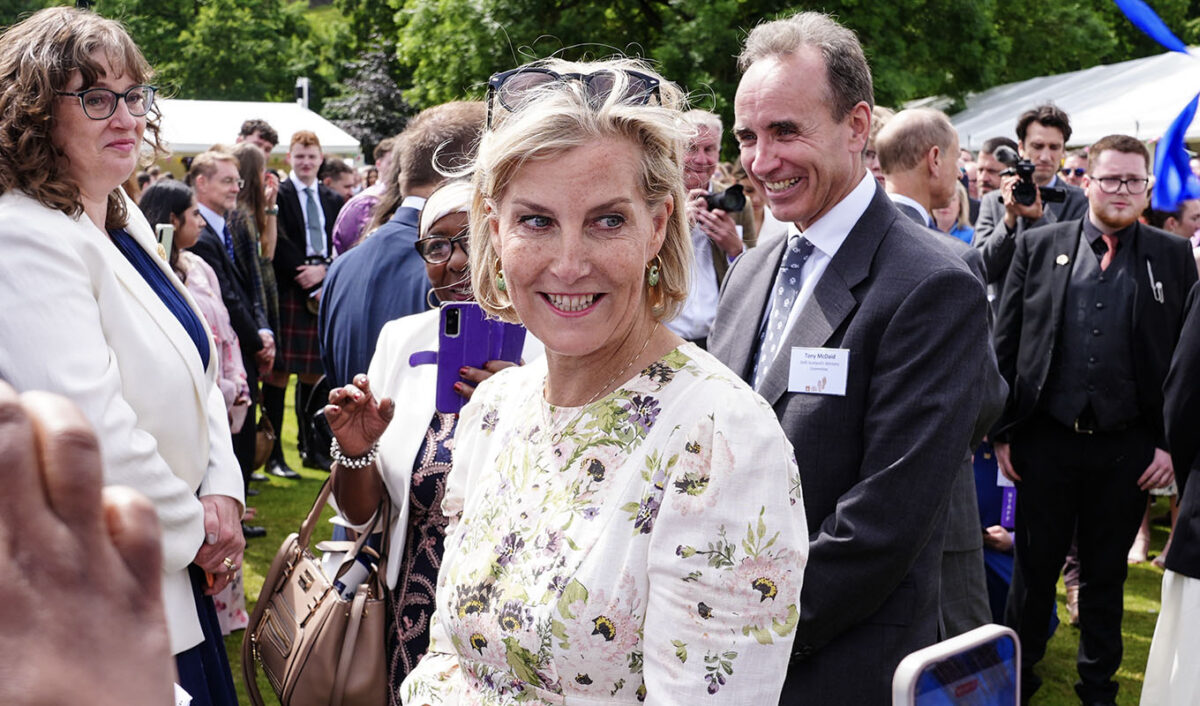
Recently, I’ve noticed plenty of celeb parents, ranging from Meghan Trainor to Sophie, the Duchess of Edinburgh, opting in on this low-maintenance cut. The modern mom bob is polished, flattering and, most importantly, compatible with a busy life. The “wash-and-wear” style is the opposite of “I’ve given up” and more “I have 12 minutes to get ready but still want to feel chic and put together on the other side.” So how did it get such a bad rap—and why is it making a comeback?
The story we tell about the original mom bob is that it was purely practical: Long hair is work, a kid eats up your time, so you chop it off. Fair enough, as far as it goes—except the ‘80s mom bob, with all its volume and shape, was not exactly a wash-and-go cut. It needed a round brush and a blowout to look the way it was supposed to look. So if it wasn’t actually saving anyone time, what was the appeal?
I’d argue it was never really about an optimal hair strategy. Postpartum hair loss is one of the most common after-effects of new motherhood. As the New York Times has reported, there’s often an instinct in new motherhood to run to the salon and chop it all off as a result. But, low-maintenance or not, the “mom bob” also marked an identity shift. It was a visible marker of motherhood, offering a tangible before and after; a notation that while so much had changed, a woman’s hair—and what she does with it—was still hers.
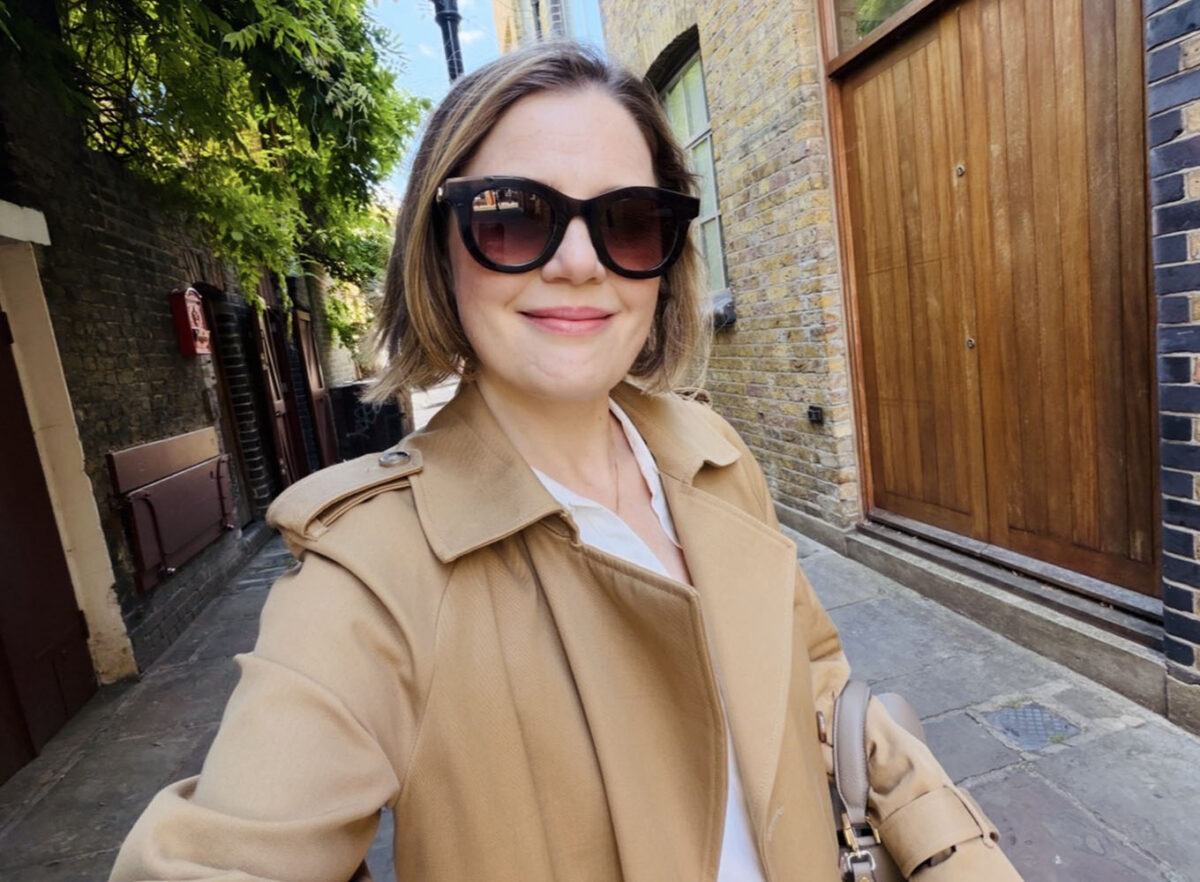
One distinction between the cut then and now may be the way we’ve rebranded “low-maintenance.” Forty years ago, it carried a negative connotation: Low maintenance was proof you’d let something go. In 2026, it feels aspirational. Effortless hair isn’t a sign of surrender to an overwhelming schedule, it’s the flex of a woman who’s making the most of every minute.
I wanted Lordet’s opinion on why the cut has evolved so dramatically from the ‘80s version to the easy elegance it offers today. “There is much more freedom now around what a bob can be,” he says. “It doesn’t have to be a very traditional, structured haircut anymore. It can be soft, textured, slightly undone or very sleek, depending on the woman. That versatility has helped move it from something purely practical to something that feels intentional.”
Based on this, maybe the reappraisal isn’t really about haircut at all. It’s about the assumption baked into the “mom bob” that it was an insult in the first place. Choosing a haircut that works for your life—and your experience—isn’t giving up on style; it’s knowing exactly what you need from it.