The Politics of ‘Good Hair’ Are Alive and Well, Even in 2026

Why is this still a thing?

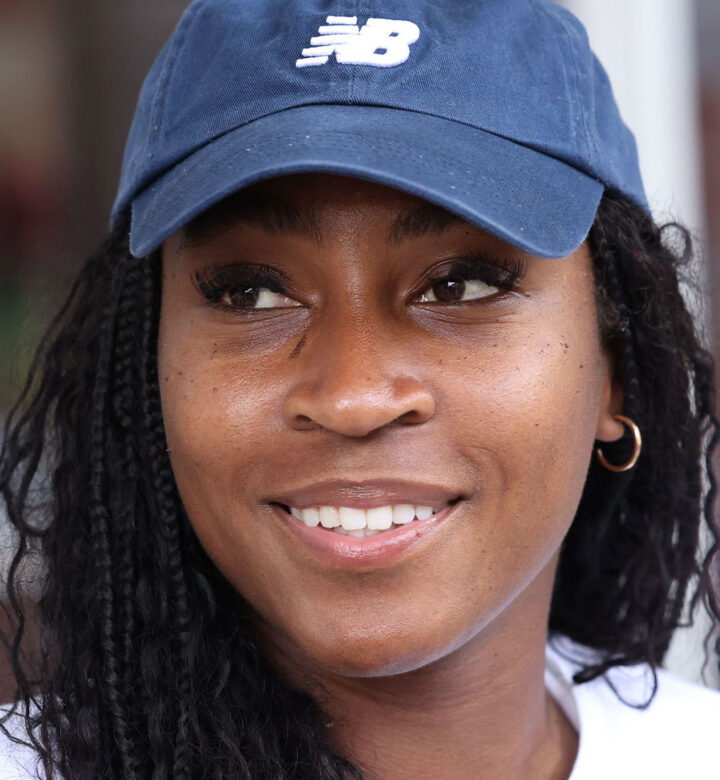
good-hair-essay: coco gauff
Dennis Agyeman/AFP7/Shutterstokc

Coco Gauff had a year. Like, an actual year. 2024 into 2025, the tennis star was everywhere; on the court, on the podium, in group chats. She secured Grand Slam titles. Her name was in the same sentences as the all-time greats. So Miu Miu came calling. Which, if you know anything about fashion right now, you know what that means. Miu Miu is THE luxury brand of this moment. And they looked at Coco Gauff and said she was exactly who they wanted.

She showed up. They shot it. She looked incredible. And then a portion of the internet decided her hair was the problem. Not the styling. Not the bag. Her hair. Natural. 4C. Hers. People called it messy and not quite right for a campaign of that caliber—which, again, the entire Miu Miu creative team had already looked at and approved and put out into the world.

Gauff responded with: "My 4C hair is good enough for a high-fashion brand like Miu Miu to promote one of their newest launches."

I think she shouldn't have had to say it. A Grand Slam champion, the face of a Miu Miu campaign, explaining that her natural hair was acceptable? In 2026!
But the thing about "good hair," I’ve learned, is that it’s never actually been about anything “good.” Good has meant manageable. Or, hair that behaves in a way that doesn't make certain people uncomfortable. And if you're a Black woman, you already know the checklist without anyone having to read it out loud. There's an unspoken language around it, and most Black women have been fluent in it since childhood, whether they wanted to be or not.

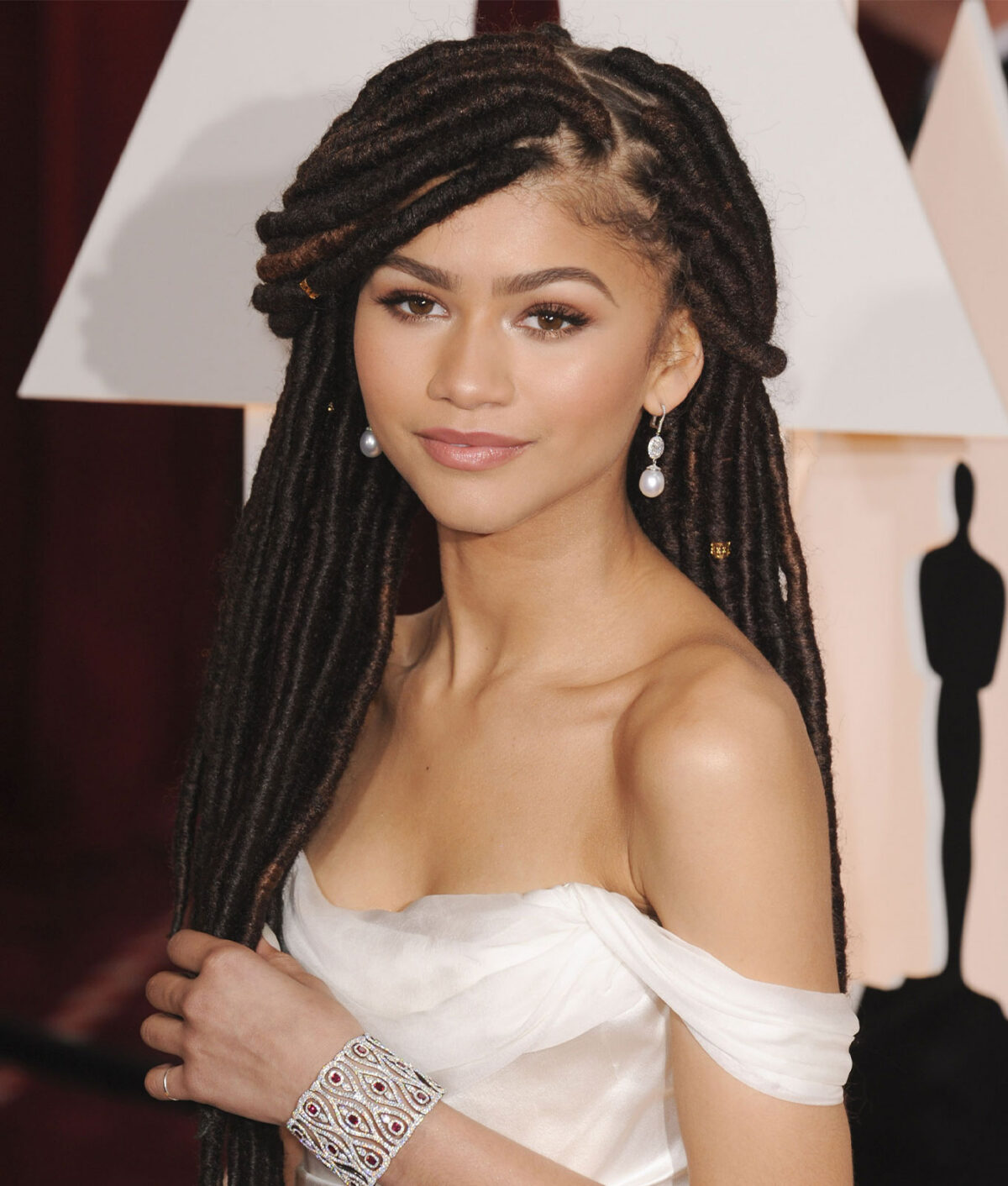
What's genuinely wild is that we're still having this conversation. Do you remember when Gabby Douglas won Olympic gold at the 2012 London Olympics and the conversation somehow pivoted to whether her edges were laid enough, and then the topic resurfaced during the 2016 Rio Olympics? Or in 2015 when Giuliana Rancic said Zendaya's locs made her look like she "smells like patchouli oil or weed?” and, more recently seeing Sha’Carri Richardson outrun everyone on the track and somehow her wigs are still headlines for being unprofessional? And still, underneath all of it, the expectation hasn't really moved. It’s like the masses are saying, show up, but edit yourself first. Translate yourself into something legible to us. Then, and only then, you can be here.

quotation mark

It’s like the masses are saying, show up, but edit yourself first. Translate yourself into something legible to us. Then, and only then, you can be here.

To me, it's not that Gauff wasn't accepted, she clearly was. She booked the campaign. She's front and center. The issue is that acceptance, at least in the eyes of a loud portion of the audience, still comes with conditions attached. You can be in the room. You can be the face of the thing…unless your hair needs to make sense to people who weren't in the room when the decision was made. It needs to read as fashion. It needs to hit a standard that was built without you in mind, and then you need to meet it anyway, and, of course, smile about it.

Meanwhile (and this is the part that should make everyone feel a little embarrassed) the same people calling Gauff's hair messy will lose their minds over undone waves on someone else. They'll call it editorial. They'll say it's “ooooh, it’s giving French girl, very off-duty, very cool!” Texture is chic when it fits a specific shape. When it doesn't, suddenly it's unkempt. The logic doesn't hold up for two seconds if you actually look at it directly.

zendaya on the oscars red carpet
SplashNews/Shutterstock

There's also just something deeply exhausting about the idea that Black women are still having to prove basic worthiness. Good enough to be in the campaign. Good enough to stand next to the bag. Good enough to exist in the frame without someone in the comments deciding it needs to be explained.

Coco Gauff is a world-class athlete. A face that entire generations of young girls are growing up watching. She is by every possible measure someone who has more than earned her place anywhere she chooses to stand. And sadly the conversation still looped back around to her hair. The politics of ‘good hair’ didn't go anywhere, they just got shifted a tad. More wrapped up in coded language like "polished," "elevated," or "appropriate for the setting." Softer words that do the SAME work.

The message underneath is identical to what it's always been. Just control it, tame it and make it comfortable for us. Coco Gauff's hair isn’t the problem. It was never wrong. The only thing that needs examining is the expectation that it should have been something other than exactly what it was; hers, natural and already more than enough.


Deena Headshot

Fashion and Beauty Director-at-Large

  • Oversees fashion and beauty content. 
  • Former Beauty Director at Marie Claire; editorial lead at Allure, Essence, and L’Oréal-owned beauty platforms
  • Advocate for inclusive storytelling in style, beauty, and wellness