Hyaluronic acid, niacinamide, and now, copper peptides is joining the skincare conversation. The key ingredient is known for encouraging hair growth and smoothing fine lines, but are the bold claims *really* true? Before you reach for that face serum (or scalp oil), I chatted with medical experts to learn more about this buzzy peptide. Here’s everything I discovered—plus, products worth checking out.
Beauty Buffs: Copper Peptides Are the New Niacinamide
Will it *actually* smooth fine lines???
•
Published Nov 28, 2025
PureWow editors select every item that appears on this page, and some items may be gifted to us. Additionally, PureWow may earn compensation through affiliate links within the story. All prices are accurate upon date of publish. You can learn more about the affiliate process here.
Olena Malik/Getty Images
Meet the Experts
- Dr. Muneeb Shah is a board-certified dermatologist, educator and founder of REMEDY. Also known as ‘Derm Doctor,’ he makes skin health engaging and accessible for over 21 million followers across TikTok, Instagram and YouTube. His expertise has been featured in Forbes, Vogue, Allure, Cosmopolitan and CNN.
- Krysha Mallari is a board-certified nurse practitioner and functional health expert at Body+Beauty Lab dedicated to optimizing functional health and enhancing quality of life for adults and older individuals.
What Are Copper Peptides?
Copper peptides are a type of peptide molecule, which is often referred to as GHK-Cu. As Mallari explains, “Your body naturally produces GHK, and when it binds to copper, it signals the skin to repair and rebuild. As we age, these levels decline, so applying copper peptides topically can help support healthy skin renewal and repair.”
What Are the Benefits of Copper Peptides for Skincare?
Research shows topical copper peptides help stimulate collagen and elastin production—aka skin’s firming and smoothing mechanisms. Other benefits include reducing the appearance of fine lines and wrinkles, calming redness and brightening uneven skin tone. “The ingredient is known for supporting overall skin structure and resilience,” adds Dr. Shah. It’s often found in face serums, adding just a few drops every night for firmer skin.
What Are the Benefits of Copper Peptides for Haircare?
In a recent study, male participants tried a combination of minoxidil, dutasteride and copper peptides. Research found the latter to be essential in encouraging hair growth over five months. However, more research needs to be done before we can say copper peptides can *solely* aid hair growth and tackle hair loss without the need for the already establish hair growth supplements (like minoxidil).
Are There Any Risks to Using Copper Peptides?
The experts say that copper peptides are generally safe to use and work well with other ingredients. Dr. Shah notes, “The only consideration is that they may compete with vitamin C for the same binding sites, which could slightly affect efficacy if used together. That said, there’s no conclusive data showing they can’t be combined. Overall, they’re gentle, well-tolerated and beneficial for supporting collagen and overall skin health.”
Are Copper Peptides Better Than Retinol?
Dr. Shah believes one is not better than the other, rather they can work together in your skincare routine. “Retinol helps with fine lines, wrinkles, hyperpigmentation and acne, while also increasing cell turnover. On the other hand, copper peptides focus more on firming, elasticity and collagen support,” he explains. “The advantage of copper peptides is that they’re gentler and safe to use during pregnancy, unlike retinol. Many people who can’t tolerate retinol do well with copper peptides. Personally, I like to use retinol at night and copper peptides in the morning since they target different mechanisms in the skin.”
Who Should Use Copper Peptides?
Copper peptides are suitable for most skin types, especially those with sensitive, dry or sun-damaged skin. If you’re looking to target signs of aging, Dr. Shah recommends adding the ingredient to your routine. “The biggest benefits are for those looking to improve skin firmness, elasticity and fine lines. There’s even some data showing they can help with discoloration and inflammation as well. There’s really no group that can’t use them—they’re gentle, effective, and suitable for everyone,” he adds.
However, Mallari suggests those with acne-prone skin should continue to use retinoids or other acne treatments for oil and pore control before adding copper peptides for healing and minimizing scarring.
Safe to say copper peptides are worth exploring. Though Mallari leaves you with this helpful tip, “Most studies are encouraging but still small and short-term, lasting about 12 weeks, so we do not yet have decades of data like we do with retinol. Results take time and are not immediate, so setting realistic expectations is important.”
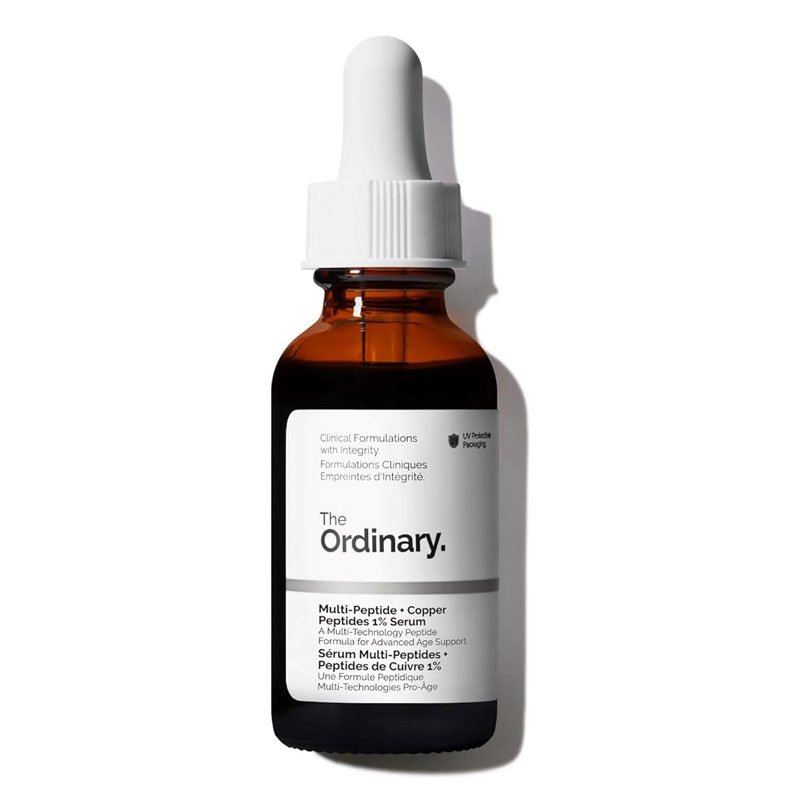
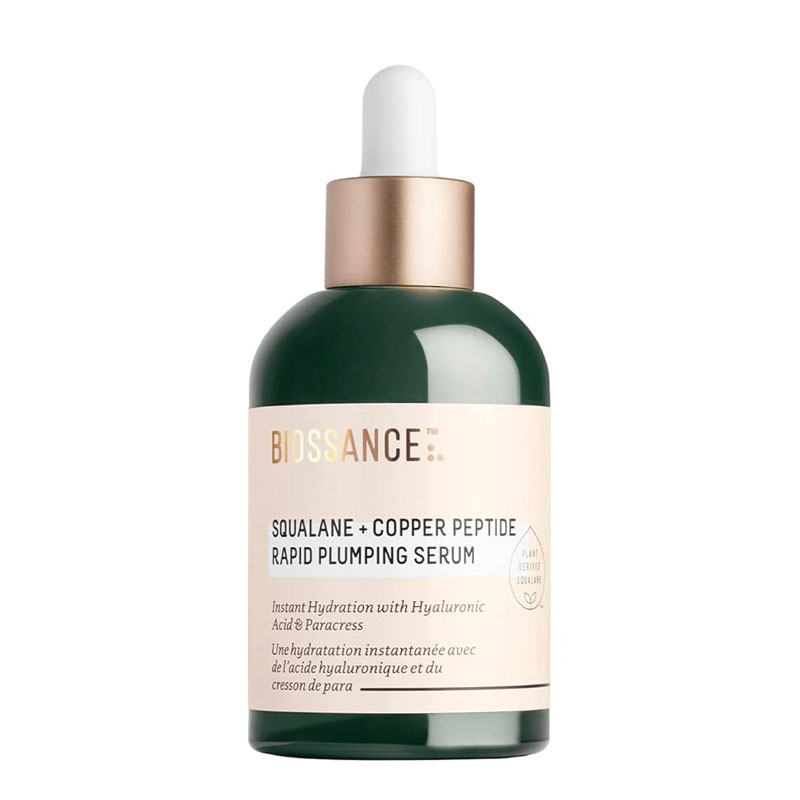
Copper Peptides Skincare
Why You Should Trust Us
PureWow's editors and writers have spent more than a decade shopping online, digging through sales and putting our home goods, beauty finds, wellness picks and more through the wringer—all to help you determine which are actually worth your hard-earned cash. From our PureWow100 series (where we rank items on a 100-point scale) to our painstakingly curated lists of fashion, beauty, cooking, home and family picks, you can trust that our recommendations have been thoroughly vetted for function, aesthetics and innovation. Whether you're looking for travel-size hair dryers you can take on-the-go or women’s walking shoes that won’t hurt your feet, we’ve got you covered.