
The Conversation I Wish I'd Had With My Mom Before I Turned 40

At the edge of perimenopause, I realized there was one topic I’d never broached with my mom

perimenopause-facing-40s
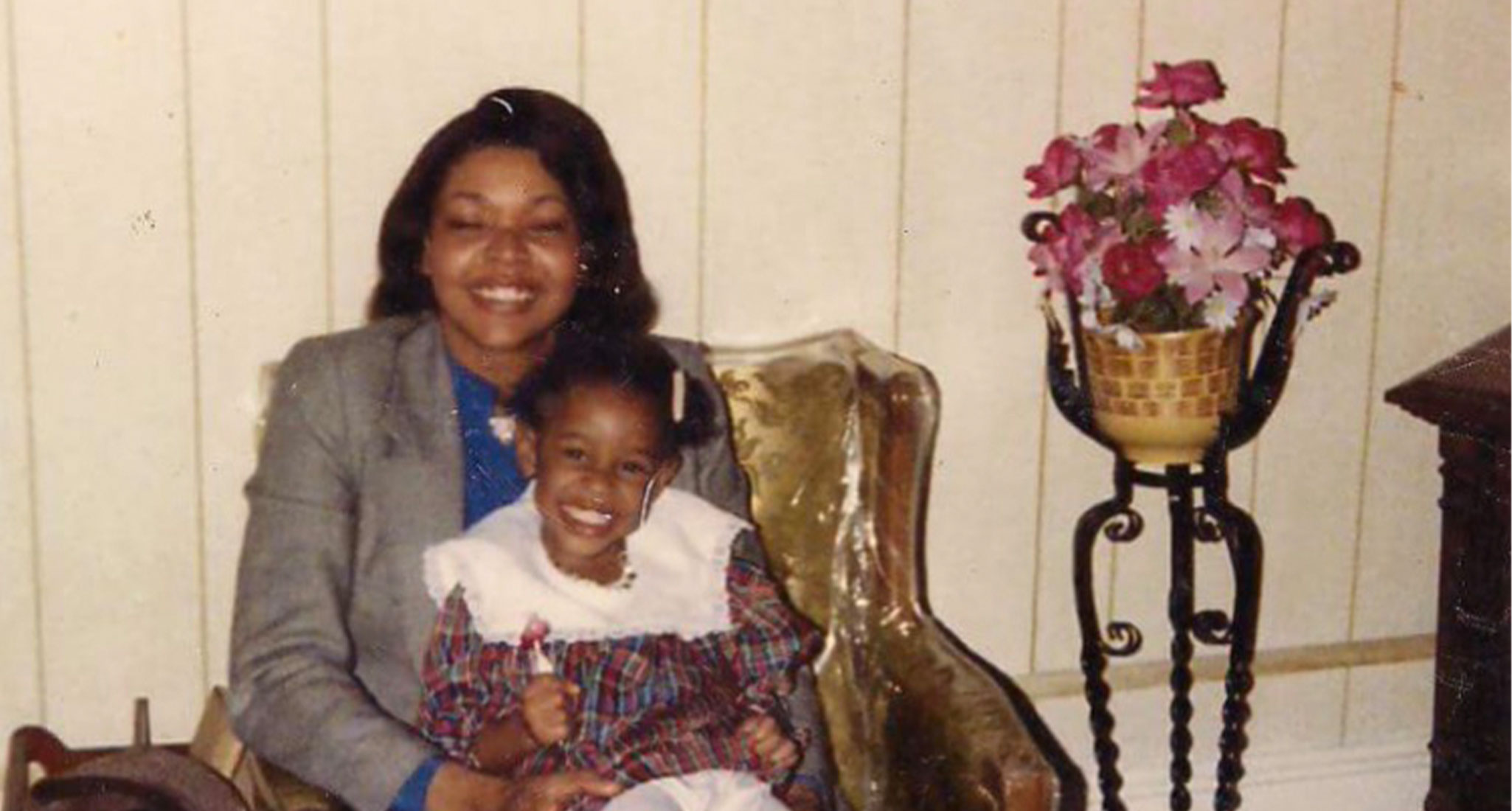
Original Photo from Deena Campbell

I was six years old, sitting cross-legged on the carpet outside my mother’s bedroom, watching her and her friends gather around the television like it was delivering breaking news. The door was half open. The volume was low but urgent. Someone was fanning herself with a magazine. Another woman laughed too loudly. On the screen, a woman was talking about menopause in the careful, coded language of daytime TV. I didn’t understand the words, but I understood that something was happening to their bodies, and it mattered.

My mother was always good about telling me my body would change. Before I even played with Barbies, she said my breasts would come in, hips would widen, periods would arrive and rearrange everything. She believed in information, never fear. But perimenopause? That word never entered the chat. Menopause was framed as an ending, a door you walk through later, once your kids are grown and your body is done being useful. What came before it, the long, messy middle, was treated like static. Background noise. Something you just…powered through.

Approximately 6,000 women each day, or 1.3 million women annually in the U.S experience perimenopause. While most women enter it in their 40s, 15 percent experience it in their 20s or 30s, with regular periods while enduring hormone imbalances. During this phase, a woman’s hormones fluctuate which makes it hard to test for the actual start date of perimenopause, and unfortunately, difficult to treat its symptoms.

quotation mark

She believed in information, never fear. But perimenopause? That word never entered the chat.

I’m one year into my 40s and haven’t hit perimenopause yet (I think), but I can feel it circling. Almost like weather moving in before the clouds fully roll over. Some nights, my insomnia rolls in in a way that feels unfamiliar. My skin, once resilient no matter what I threw at it, now drinks up moisturizer constantly. I noticed these things earlier than I expected to. Changes I can’t quite name, only clock.

That’s part of what makes this stage so strange. You’re not “there,” so no one is offering you answers yet. There’s no official language for the in-between. You’re still cycling, still functioning, still showing up, but with subtle glitches that feel easy to dismiss until they stack. To me, it’s not dramatic enough to warrant concern, but it’s persistent enough to make me pause and think, oh. This is different. 

What my mother never told me isn’t a failure on her part, she did the best she could with what she was given. I believe it's more of a societal miss. We let women stumble into perimenopause alone, armed with half-answers and jokes about hot flashes. Instead, these conversations should start earlier and evolve over time. In our teens, it’s enough to say your hormones won’t stop shifting after puberty, that there will be more chapters. In our 20s and 30s, it could look like honest talk about how stress, sleep and cycles can change before anything officially ends, and that brain fog or anxiety aren’t personal shortcomings. By the time a daughter is approaching 40, the conversation should be direct: menopause exists, it can last years and noticing changes doesn’t mean something is wrong. 

I now have a six-year-old daughter, and I won’t repeat that silence. I’ll tell her the truth: your body will change again (and again, and again), and it will ask more questions than it answers. And you, my love, aren’t broken. You are in motion. And it’s a beautiful thing.


Deena Headshot

Fashion and Beauty Director-at-Large

  • Oversees fashion and beauty content. 
  • Former Beauty Director at Marie Claire; editorial lead at Allure, Essence, and L’Oréal-owned beauty platforms
  • Advocate for inclusive storytelling in style, beauty, and wellness