
Recovering Millennials, Can We Discuss the Master Cleanse Hype of 2006?

Did Beyoncé really invent it?

Collage of items like lemon, cayenne pepper, that make up the Master Cleanse, as well as influential things of the early aughts, like the first iPhone, and Beyonce
Original digital art by Dasha Burobina

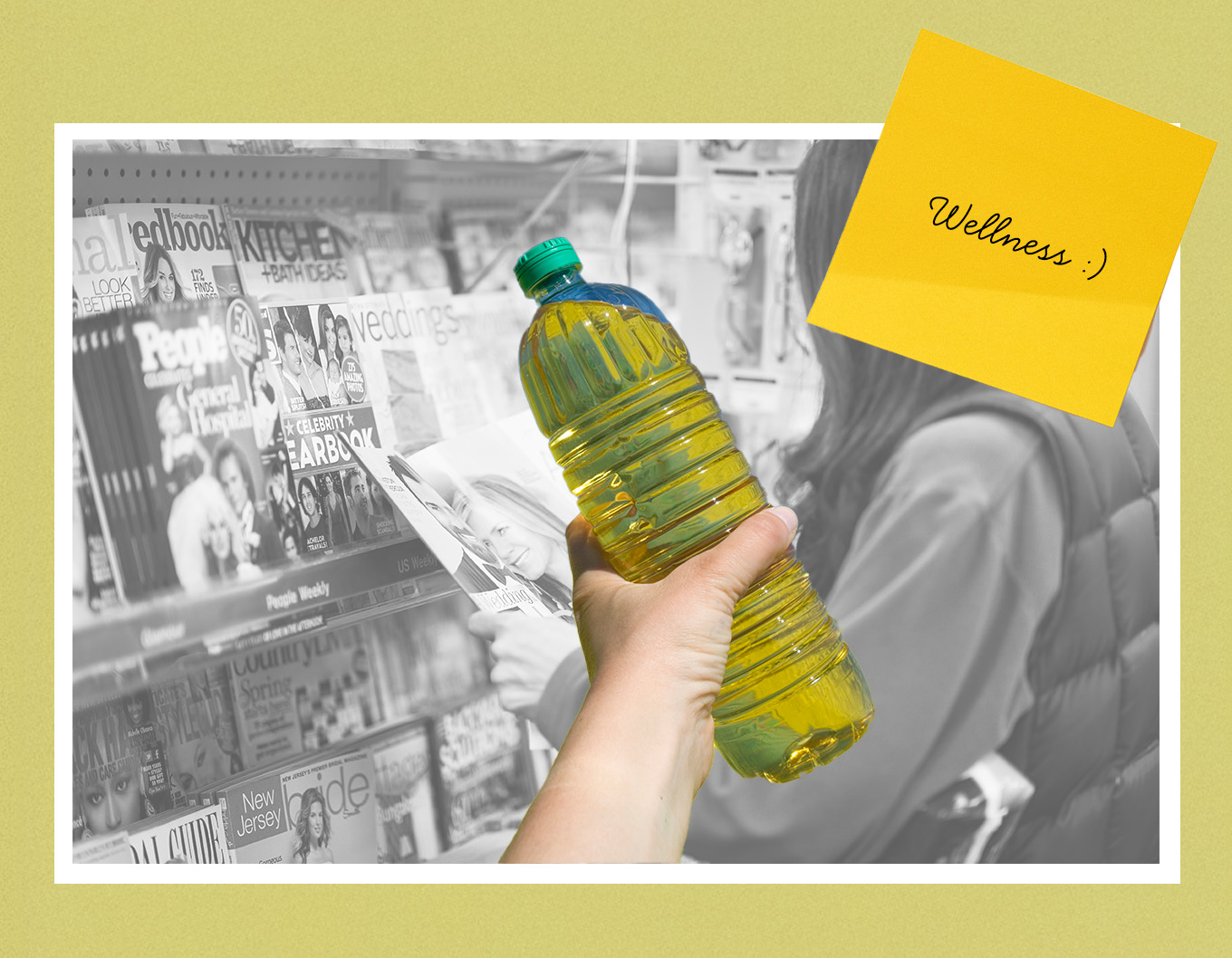
I was a junior in college when I first saw it. Jade, a new friend, entered the room holding it: a liter-sized plastic water bottle containing a massive amount of liquid in a golden yellow hue. Urine? This was college, after all. “It’s the Master Cleanse,” she explained, taking a seat on the couch and looking a bit green. She pulled a Ziploc out of her bag. In it: bottled lemon juice, maple syrup, cayenne pepper. She laid her head back, then put up her feet. She seemed ill. “It’s all I can eat for ten days.”

I’m not sure how long Jade wound up lasting on the Master Cleanse, but that wasn’t the last time I’d see similar carafes—usually Nalgenes—filled with murky, lemon-cayenne liquid. In 2006, you could spot a Master Cleanser as easily as a Sky Top, a slouchy Balenciaga knockoff or a Livestrong bracelet. Nearly 20 years later, I—now a recovering millennial—want to revisit this spicy, acidic concoction with a more critical eye. Why did we believe suffering in the form of spicy lemonade was the path to self-betterment? What did that era sell us in the name of health, and why did we drink it up by the gallon?


What Was the Master Cleanse?

First things first: No, Beyoncé did not invent the Master Cleanse (even if everyone associates it with her). That was Stanley Burroughs, an unlicensed “naturapath” and marketer who promoted the elixir with his 1976 book The Master Cleanser. The lemonade diet, as described in the book, promises to be “the easiest, most delicious and effective weight loss diet available.” Plus, it’s a straightforward plan: No food. Only lemon juice, maple syrup, cayenne, water for ten days.

Beyonce circa 2006 in Dream Girls
IMDB/Getty Images

Why Did the Master Cleanse Hit So Hard in Early Aughts?

Beyoncé didn’t invent the Master Cleanse, but she’s the reason the rest of us knew about it, sharing her 20-pounds-lighter trade secret on Oprah. An archived 2008 blog post from the L.A. Times put it bluntly: “Here in Los Angeles, you’re nobody if you haven’t starved yourself. Beyoncé did the cleanse last year to prepare for her role in Dreamgirls and lost 20 pounds in 10 days.”

But it wasn’t just that she did the cleanse—it was the way she looked afterward. Suddenly, Beyoncé, a famously curvy performer, appeared visibly scrawnier. She had transformed her body to better emulate Diana Ross’s lithe frame, and that transformation felt seismic.

For millennials raised ogling Jessica Simpson in Daisy Dukes, worshipping the thigh gaps of Paris Hilton and Nicole Richie—and, by extension, scrutinizing our own bodies—celebrity endorsement of the Master Cleanse was our own opportunity for a Before-and-After tabloid shot. 

juice cleansing
d3sign/Getty Images

The Science and “Wellness” of the Master Cleanse

Read my lips: There is no evidence that detox diets actually remove toxins from the body. (Psst: Give your liver and kidneys some credit for doing that!) As for the calorie- and nutrient-restriction of the Master Cleanse, it’s absolutely dangerous, and, per Harvard Health, can lead to muscle loss, blood sugar crashes, dehydration, electrolyte imbalances and disordered eating patterns. 

wellness master cleanse
John Greim/Claudiad/Getty Images

The Master Cleanse: Where Is It Now?

While I have faith that someone, somewhere is lugging around a shipping container of cayenne-spiced lemon water with syrup, the bigger impact of the Master Cleanse is that its tentacles have reached far beyond its own absurdity. It helped seed the next two decades of wellness-through-deprivation—juice cleanses, detox teas, raw food diets, regular colonics and intermittent fasting schedules. 

And now, one could argue, the baton has been passed to a new era of weight-loss obsession brought on by GLP-1 drugs—this time starting, once again, in Hollywood. The tools are less bulky, but the goal remains oddly familiar. Just hold the lemon juice.


DaraKatz

Executive Editor

  • Lifestyle editor and writer with a knack for long-form pieces
  • Has more than a decade of experience in digital media and lifestyle content on the page, podcast and on-camera
  • Studied English at University of Michigan, Ann Arbor