
The Lagree Method Versus Pilates: How Are They Different?

I spoke with Lagree’s bodybuilder founder about L.A.'s hottest exercise

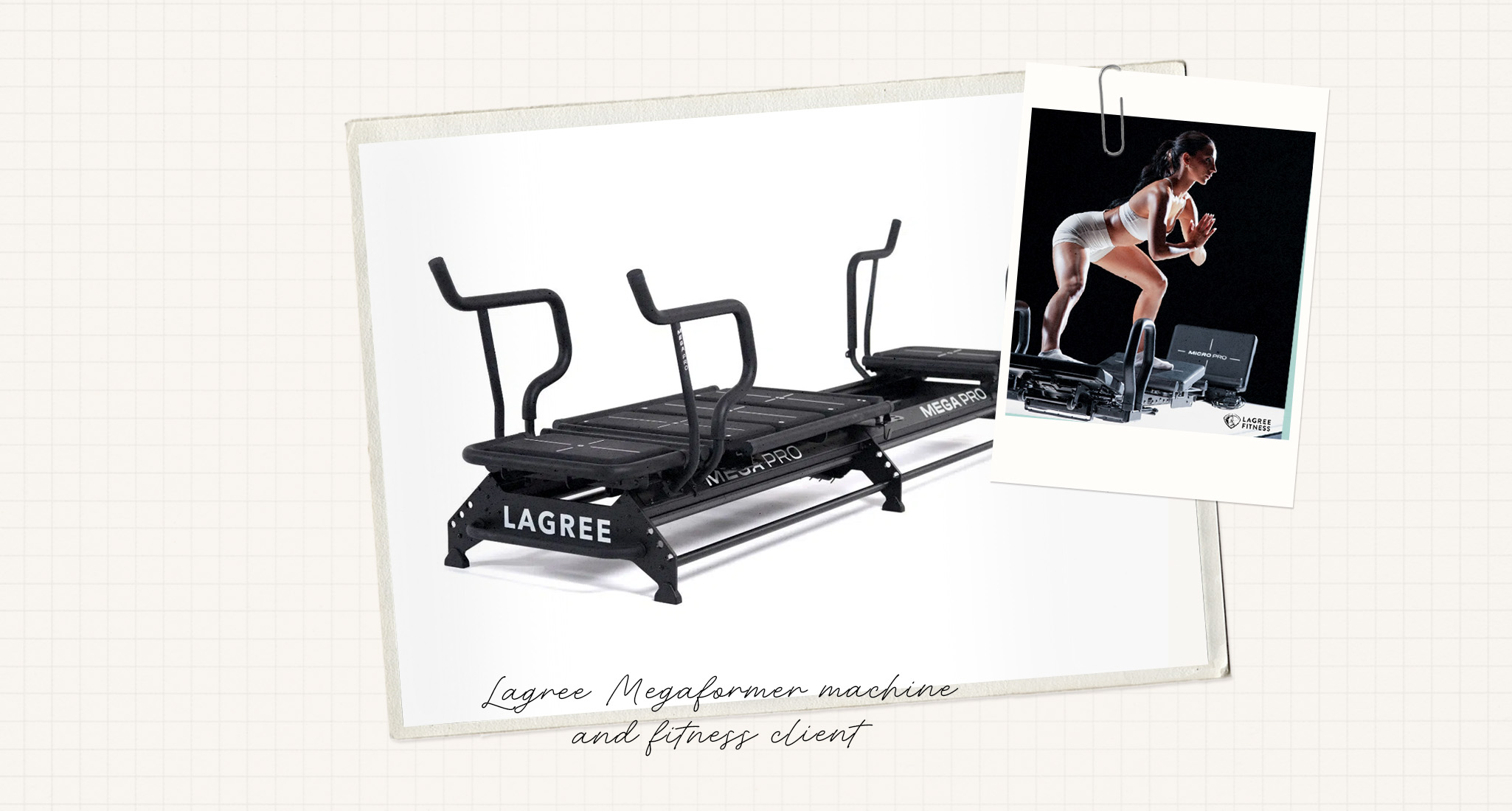
lagree method vs pilates megaformer and client
Lagree Method

You've likely seen the buzz on social media or heard it from a friend: Lagree is everywhere. The workout, known for its intense, full-body burn on a machine called the Megaformer, has become a go-to for celebrities including Nicole Kidman and Gwyneth Paltrow, as well as the many models wearing the latest leggings, gazelling through studios from West Hollywood to Brentwood. But according to creator Sebastien Lagree, the method's rise in popularity is due to more than its fast work in sculpting a perfect physique—it's about a fundamental shift in how America is approaching wellness.

I sat down with Lagree to get him to tell me what makes his method different from the Pilates body quest and other trending workouts, and why its emphasis on functional fitness is what today's population is looking for. I’m a fan of the class, having taken a few classes in Los Angeles.

I Survived Lagree, the Super-Hard Workout Craze in Los Angeles. Here’s My Review


Lagree vs. Pilates: The Core Differences

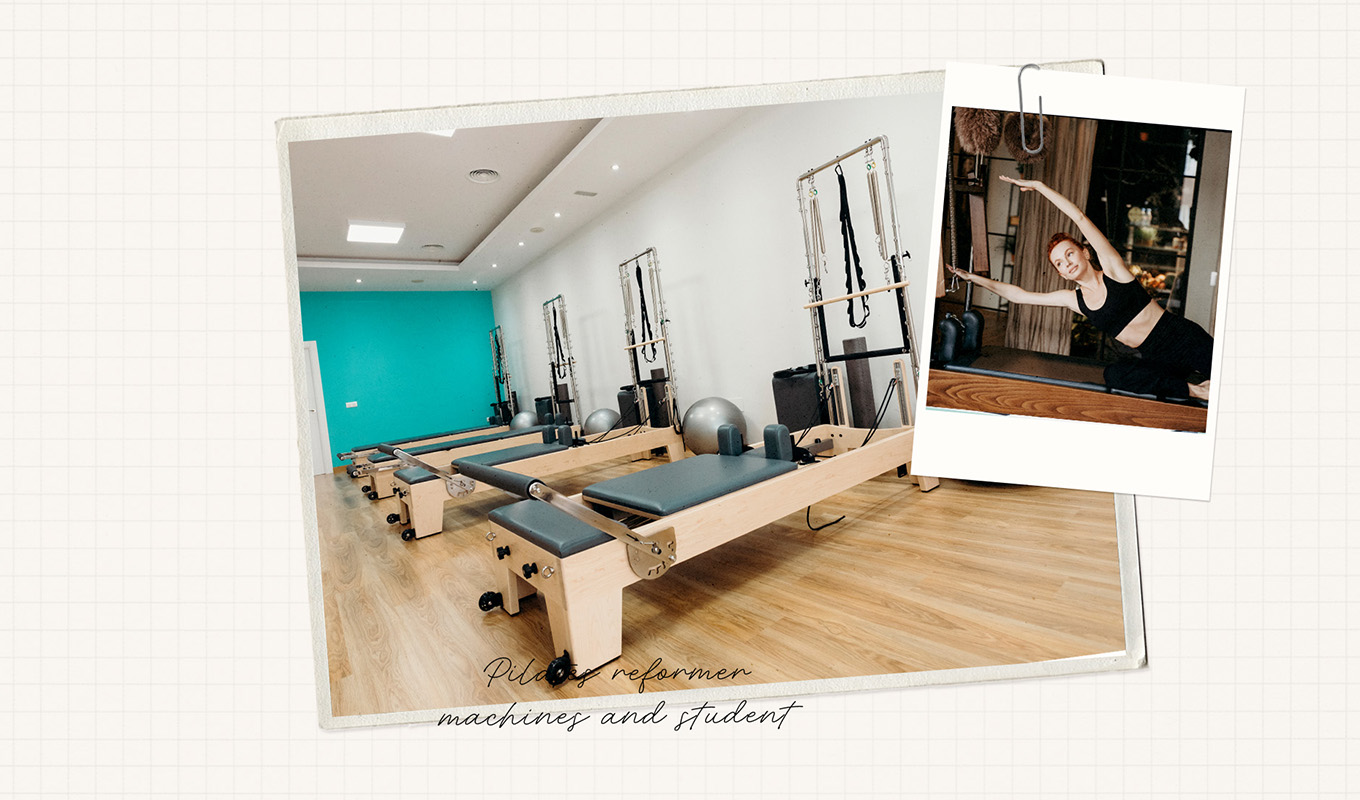
While many people assume Lagree is just a more intense form of Pilates due to the similar-looking machine, Lagree says this is a common misconception. True, Lagree uses a spring-loaded Megaformer, while Pilates uses a similarly pulley-rigged Reformer, but there are techical differences in the machines themselves, as well as the exercises performed on them. "Lagree was never based on Pilates," he explains. The key difference, he says, is the foundational philosophy behind each workout.

"The biggest difference is Lagree is rooted in bodybuilding training techniques, and Pilates is not," Lagree states. He notes that key bodybuilding principles like “time under tension” and progressive overload are central to his method but are not mentioned in Joseph Pilates's book, Contrology. (Time under tension refers to the amount of time, usually measure in seconds, when a muscle is working hard during an exercise set; progressive overload means gradually adding volume, intensity, frequency or time of muscle work to reach an outcome.) By contrast, when you take a Pilates teacher training, you'll hear a lot of ballet terms like "first position" and "relevé," which are a nod to its history of rehabbing dancers.

Lagree's initial clients were not dancers recovering from injuries but actresses and models who were already in peak physical condition and wanted to sculpt their bodies without bulking up. "I had to really use my knowledge of body sculpting and then create this workout," he says. This difference in clientele and philosophy led to two distinct outcomes. While both methods are low-impact, Pilates is often focused on rehabilitation, whereas Lagree is designed for muscle tightening and toning.

Lagree Method versus Pilates: Pilates studio and client
Getty Images: Westend61, Viorel Kurnosov

Lagree Focuses on "Time Under Tension"

One of the most unique aspects of the Lagree method is its focus on "time under tension" rather than simply counting repetitions, which is the less mindful experience many people have during Pilates. This bodybuilding principle measures the amount of time a muscle is under stress during an exercise, providing a more accurate measure of performance than repetitions alone. "Time is time. Time is universal," Lagree says. “If you can hold a movement for 30 seconds today compared to 15 seconds last week, you've clearly gotten stronger.” He applies this to every exercise on the Megaformer, from planks to lunges and squats, with some movements lasting for up to two minutes for a single repetition.

Lagree Targets Functional Fitness and Longevity

The fitness world is changing, and Lagree believes it's for the better. For decades, fitness was viewed as an "offspring of bodybuilding," focused solely on superficial gains like big muscles and a lean physique. Now, there's a growing understanding that exercise is about so much more, “including mental and spiritual wellness.” Functional fitness—movements that are relatable and help you in everyday life—is becoming more popular. Lagree points out that a bodybuilder who can lift a heavy weight in one isolated movement might still throw out their back reaching for something in their car.

Lagree is a strong advocate for low-impact workouts that can be sustained for a lifetime. He notes that high-impact workouts like CrossFit often don't have a large population of older participants. Lagree believes that while methods like yoga and Pilates are great, his Lagree method is a strength-based program that increases muscle mass, necessary as we age to keep bones and joints strong. He's still developing his method so that it can be a workout "perfect for the mind, for the body, for the spirit, as you get older."

Unlike Pilates, Lagree Really Brings “the Shakes”

One aspect of Lagree that really stood out to me when I took class was “the shakes,” a moment in the workout in which you are holding, say, a plank for a minute or longer and a set of muscles begins to shake under the strain of holding the pose. (I’ve never had this shaking body experience in the fast-moving hot yoga I do, and only once before in Pilates.) While it’s a little bit scary to experience (Is my body malfunctioning? Do I need to stop this now?), Lagree says it’s where the body—and mind—get stronger. “I use the shakes in class as a measure, as a trigger, right?,” he explains. “So if you start shaking, I know that I'm effectively stimulating you. You're in the right zone.” He says that preliminary evidence shows that shaking is in some way helping flush toxicity from the body, as well as building a strong mindset.


dana dickey

Senior Editor

  • Writes about fashion, wellness, relationships and travel
  • Studied journalism at the University of Florida