Tweens Can’t Stop Re-Watching ‘Stranger Things’—But It’s Not for the Reason You Think

tweens-cant-stop-watching-stranger-things
Netflix

Millennial moms are reliably eager to wax nostalgic for their ‘80s childhoods…but their kids are surprisingly catching on, too. So, what relic from our past is facilitating this type of cultural bonding?

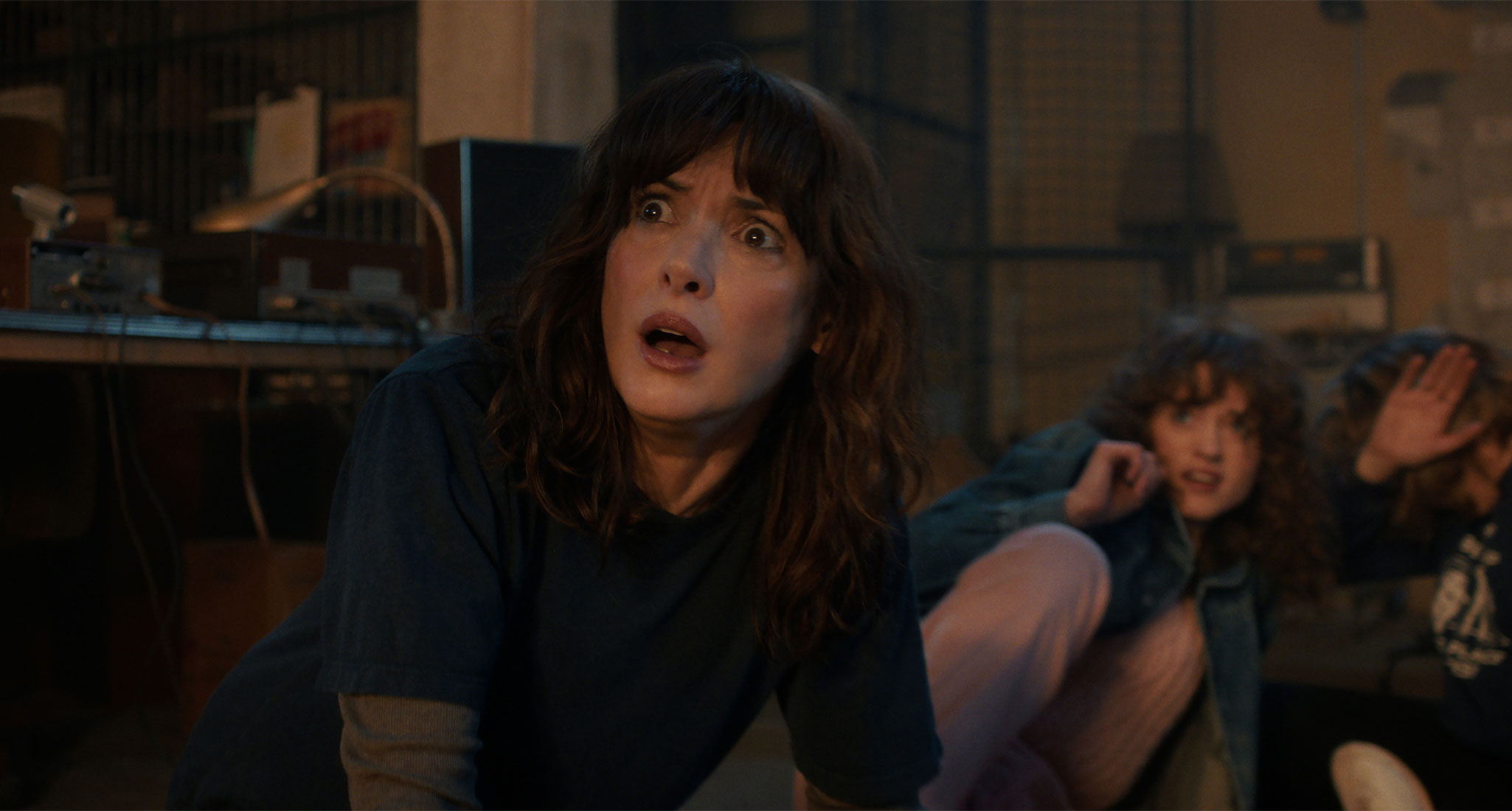
Well, it’s not something you grew up with, in fact, but rather a more modern TV show that has effectively created a time machine for parents and kids alike. If you haven’t seen Stranger Things yet, you might want to watch it with your offspring—because it doesn’t just portray childhood the way you remember it; it’s also a period piece of sorts (yes, we’re that old) that has captured the imaginations of Gen Alpha.

It’s more than a casual curiosity though. When I heard many tweens were rewatching the show, again and again, I dug deeper, talking to parents and a psychologist about its enduring appeal. Turns out, there are two very distinct zeitgeists at play—and they’re harmonizing. Perhaps in a way that deserves some careful listening.

Meet the Expert

Dr. Sanam Hafeez is a New York State-licensed psychologist and the founder of Comprehend the Mind in New York City. She is a pioneer in neuropsychological assessments, reshaping its clinical model and best practices, and is an expert in the topics of trauma, learning problems, ADHD and autism. Dr. Hafeez received her doctorate from Hofstra University and completed her post-doctoral work in neurodevelopmental psychology at Coney Island Hospital in Brooklyn, NY.

noah-schnapp-winona-ryder-stranger-things-tween-effect
Netflix

The Case for Watching Stranger Things with Your Kids

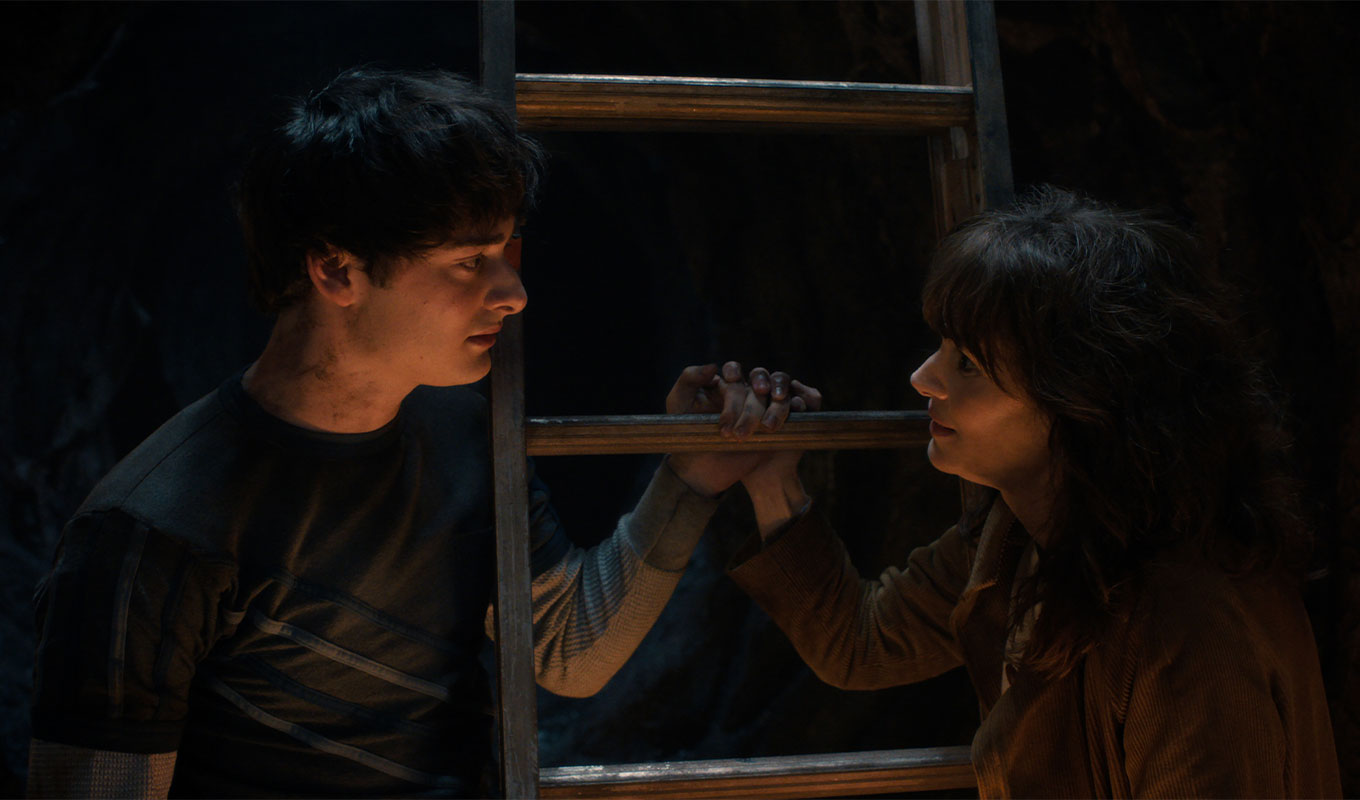
One thing is certain: Stranger Things is a real conversation starter…and possibly even a game-changer (literally). It also does an unexpectedly good job at highlighting the things that are missing from the daily lives of today’s youth. According to Nikki, a Massachusetts mom of four:

“The Stranger Things effect is real! I binged this show with my teen and tween, and it gave way to a lot of conversations about existing as a kid in the 'then' versus 'now.’ I was struck by the accuracy of the ‘80s representation in the show and noticed that both my kids and their friends were gravitating toward a time that I thought they'd have no interest in (the activities, the aesthetic, the music...). But I noticed, they weren't just gravitating toward the things they saw in the show, they were interested in more analog activities as well. All of a sudden, they were happy to ride their bikes to meet up with friends without a plan. They started hanging out in groups, outdoors, playing board games with synth music. It was what my mid-40's self would identify as KIDS. I loved this. It was reminiscent of my childhood in the best ways.”

The mom in question, who was clearly quite surprised by this unexpected effect, went on to theorize about the role that technology has in our kids’ lives. The fact that, while it seemingly gives them so much freedom, it’s actually not that liberating a feature of daily life.

quotation mark

What we’re seeing isn’t nostalgia for a decade these kids lived through, it’s yearning for a decade they know wasn’t theirs.

“Today's kids have shared locations, parents monitoring apps, every school/coach/group/parent keeping a close watch for safety's sake. I always know where my kids are and what they're doing. In my childhood, I could have easily been trapped in another realm, and the earliest clue would have been when I didn't arrive shortly after the street lights turned off.” (Ditto.)

So is this yearning for a simplified, more analog lifestyle—and all the perceived freedom that comes with it—a good thing? Read on for the expert’s take.

What the Expert Says

I asked Dr. Hafeez if she’s heard of this phenomenon from families she’s worked with, and it turns out she has. “What we’re seeing isn’t nostalgia for a decade these kids lived through, it’s yearning for a decade they know wasn’t theirs. Our teens and young adults are oversaturated with stimuli, performance and screen time. When they’re leaning into the Reagan years or anything analog—records, film cameras, board games or even shopping malls—they’re seeking experiences that just inherently feel slower, more tactile and more human.”

Indeed, Dr. Hafeez tells me that the children she works with in her practice frequently report feeling overloaded. “They’re told to stay connected and online all day, but not necessarily in ways that validate how they feel,” she says, adding that, “analog activities have an inherent stopping point, so you have to be present with it. There’s no endless scrolling. It’s self-contained, which feels good to their nervous systems.”

It’s not just about wanting an escape from the intrusive and inexhaustible role of technology, though; meaningful, familial connections are forged from this yearning for a bygone era. Indeed, the expert confirms that relationships play a role, too. “The ’80s were childhood or adolescence for their parents. When kids ask their moms and dads about a song, a movie or what the malls were like, they’re letting their parents into their lives in a way that asks, ‘Who were you before you became an adult?’ There’s intimacy in sharing that together,” explains Dr. Hafeez.

Perhaps, that last bit is my favorite part of this trend. I have increasingly found myself living and parenting in a world that I don’t entirely understand and find quite alienating sometimes. To bond with my kids over something that feels familiar…well, it’s like chicken soup for the Millennial soul. (Yep, I actually just wrote that. And if my Gen Alpha kids even knew what I was referencing there, all bonds would be broken.)

The 83 Best Family Movies of All Time


Resized 20230822 160749 1707534340613

Freelance PureWow Editor

  • Has 5+ years of experience writing family, travel and wellness content for PureWow
  • Previously worked as a copy editor, proofreader and research assistant for two prominent authors
  • Studied Sociology, Political Science and Philosophy in the CUNY Baccalaureate independent study program.