
What I Learned From a Pet Loss Grief Counselor about Love, Death and (Never) Letting Go

Plus 8 action items to honor your best friend

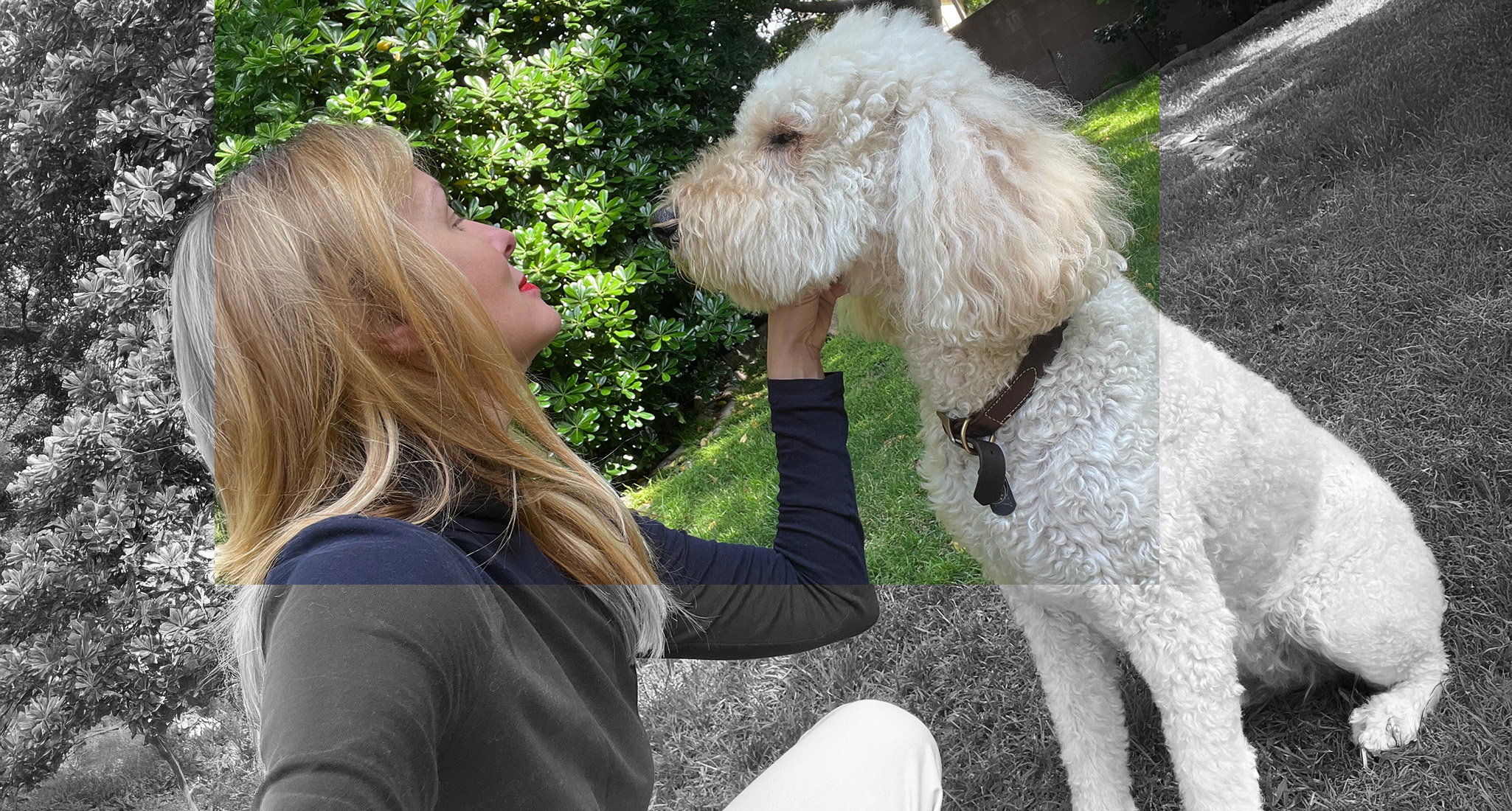
Pet loss grief counseling: woman petting dog
Dana Dickey

I support more public discourse on death and dying—whether it's a recent Oprah book club pick about the subject or the fact that death doulas are increasing in number. But you know what’s left out of the conversation about end-of-life? The death of our life companions, our pets. As a person who has lost both a husband and a dog to cancer, I’m here to attest, the stabbing pain of loss hits really hard in both cases. But while memorial services, time off work for grieving family members and sympathy cards are in play for human deaths, there’s no entrenched societal customs for, say, deceased cats. (I can think of my distant relatives even laughing at the prospect.)

But I’m here to argue that we need to come up with some space to grieve our pets, and a collective acknowledgement of the pain of losing them. Pets in homes increased wildly during Covid-19 lockdowns and these days many of us (including me) work from home, so I’d like to prep for the day when I don’t have my cockapoo Gus right by my side. He’s not getting any younger, so I thought I’d learn now some helpful tips about how to prep for his passing, as well as keep the memories of special dogs from my past alive.


Meet the Expert

Beth Bigler is a popular pet loss grief counselor who had devoted her post-Hollywood industry life to helping people heal from the loss of their animals. She just published Honoring Our Animals: 365 Meditations for Healing After Pet Loss.

Beth Bigler’s teachings are, first of all, empathetic and non-judgey, which is helpful for me since I feel guilty whenever I come upon an old photo of my dog, or see his favorite toy, the squeaky shark, in the pet store. Identifying the inchoate and heavy way I feel when thinking of my latest pet Daisy the goldendoodle’s  last few weeks (or let’s face it, the sainted family bulldog mix Rufus from 18 years ago) as part of the mourning process and grief is enormously helpful.

12 Ways to Build Trust with Your Dog, According to a Dog Behaviorist


First Off, Understand What a Big Deal This Is

When I had a beloved pet die, I was gutted and kindest thing someone said to me was "That's so upsetting Dana, yes it can be more upsetting than a human family member's death." I felt so seen. “The bond with our companion animals often represents one of life's purest relationships,” Bigler told me. “Think about it: who else shares in our everyday moments of happiness, grief, and simple pleasures quite like our beloveds? These daily rhythms become deeply meaningful to us.” She went on to explain “when has an soulmate pet ever deceived you, diminished your self-worth or placed impossible demands on who you should be? Our beloveds offer us profound gifts that sometimes feel rare in human relationships: complete acceptance, love without conditions, and steadfast devotion.” I hadn’t really thought of it that way, so of course it makes sense that such loss would be not only profoundly deep but also long-lasting.

Often Pet Loss Is “Disenfranchised Grief”

“This type of grieving and mourning isn't openly recognized, collectively supported, or culturally validated as a meaningful loss,” Bigler says."Our society often doesn't view pets as "deserving" of deep grief. You still hear dismissive comments like "it was only a dog" or "just a cat," leaving grievers feeling diminished, alone and ashamed of their emotions. There are rarely sympathy flowers, no meals delivered, or bereavement leave from work.” Added to that, mourners are often conflicted or guilty about end-of-life decisions they made about their companions.

That Old Adage ‘Pets Teach Children About Death’? Not Always

Bigler explained that most of us didn't learn meaningful lessons about death from childhood pet loss because we live in what Bigler terms a “grief-illiterate, death-phobic culture.” (Amen, sister.) So if parents just carry on and don’t share their feelings openly, that doesn’t model emotional honesty for kids.

quotation mark

The connection doesn't end when they transition; it changes shape. Rituals help us honor the love that still exists.

Beth Bigler

(Indeed, I still remember my father, mother and I sitting silently weeping in a car after leaving a vet after our family St. Bernard was struck by a car—but nothing was ever said about it again.) “When parents grieve openly and honestly alongside their children, they're modeling that loss is painful and survivable, that love continues after death and that mourning is natural,” she says. So Parents: There’s tremendous potential for learning in pet death. but it requires adults who understand that, according to Bigler, “grief is something worth modeling and teaching rather than something to just survive or sweep under the rug.”

The Secret to Surviving Pet Death? Keep Them Alive

Bigler re-framed the idea of pet death and mourning for me in a way that I think is helpful to us all: Invite the pet (she terms pets “beloveds”) to stay part of our life. “The connection doesn't end when they transition; it changes shape. Rituals help us honor the love that still exists,” she says. Which I think is beautiful. Here are some practices she suggests:

  • write letters to and from them ("Mom, I loved being your pet..." or "Frisky, I saw that terrible squirrel who teased you today...")
  • wear memorial jewelry
  • make meals you used to share (Think of how Scooter loved your PB & J scraps!)
  • continue familiar routines like evening walks
  • create indoor and outdoor altars
  • use their name at the coffee shop so you hear it spoken

My Takeway

The strangest thing happened as I read Bigler’s new book and interviewed her: My lifetime’s worth of beloveds trotted back into my mind, fetching and jumping and running across everywhere I’ve lived and all the people I’ve been. It was intense! And frankly gorgeous. More smiles and laughs than tears—and rather than stressing me out or rendering me depleted, the idea of keeping my pets’ lives—even my most recent and gutting losses—actually felt buoyant. So I’ll be giving Roy, Rufus or Samson as my name at the coffee shop today and thinking of somewhere to set up a small memorial in my neighborhood (another of Bigler’s ideas), feeling a little sad but mostly warm. I've had a lifetime wolf pack and can still carry them with me! As Bigler said: “The goal isn't to 'get over' grief but to let the bigness of your connection hold the bigness of your sorrow.”

How to Tell If Your Pet Is an Empath, According to a Veterinarian


dana dickey

Senior Editor

  • Writes about fashion, wellness, relationships and travel
  • Studied journalism at the University of Florida