I first came across what I’m calling the elevator incident on TikTok. A Louisville-based mom, Kristen Bright, is frustrated by her child’s tantrum and bad behavior. In the video clip, which has more than 1.5 million likes, she reveals her next move: Bright enters an elevator with her son and robs him of a simple joy. She presses the elevator button first.
“Ruining my kid’s whole day because they ruined my morning,” the text overlay reads. Her caption zeros in on a more specific name for this technique: Petty parenting.
The comments and reactions were split. Some cheered; others called it cruel. I’ll admit that I laughed—first, out of shock, because it would be almost sacrilegious in my household for an adult to press the elevator button before a child. But also because, in the pressure-filled era of gentle parenting, this act of quiet retaliation felt more “oops”-coded than mean.
Still, is petty parenting a slippery slope? I asked an expert to weigh in.
Should We all be ‘Petty Parenting?’
We need an outlet, dammit

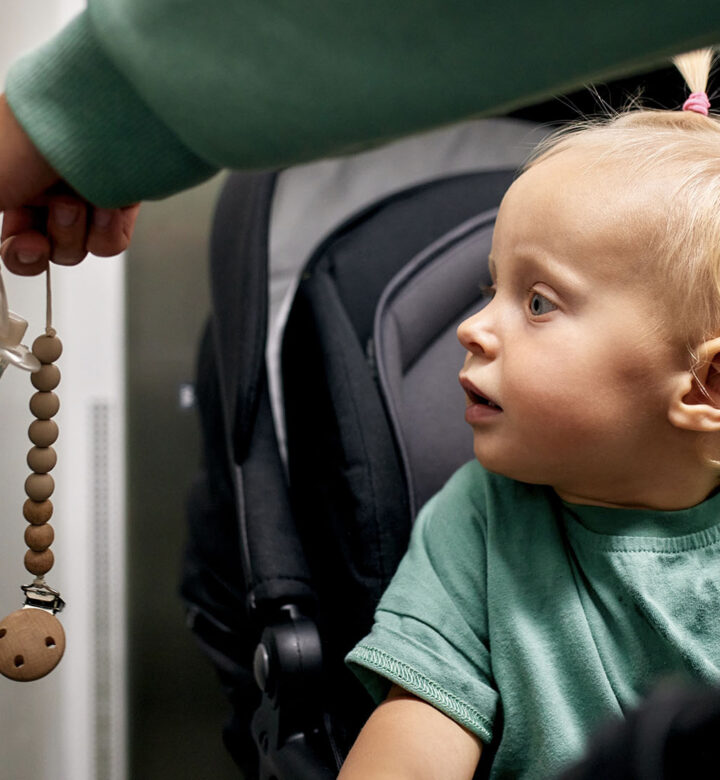
First, What Is Petty Parenting?
Petty parenting is the social-media-friendly but age-old tactic of responding to a child’s frustrating behavior with humor-driven retaliatory acts. No raised voices! No lengthy lectures! Instead, it’s about mirroring a kid’s jackass behavior to give them a taste of their own medicine.
Maybe it’s changing the home WiFi password to homeworkfirst to get back at a tween who’s trying to play Minecraft. Maybe it’s packing the discarded apple core they left on their bedside table for dessert in their lunch. Either way, it’s kind of funny and it’s also kind of mean.
When Does Humor Become Malicious?
In an era when parents are pressured to always get it right—to regulate their emotions and reactions, to be “gentle” as they guide their kids through truly atrocious moments—petty parenting feels like a low-stakes way to blow off some steam.
But I also get why some view it as a power trip. Using retaliatory behavior, even playfully, models the very thing we’re trying to teach our kids not to do. Younger kids also can’t read sarcasm or humor, and may simply feel punished or rejected. (In response to Bright’s viral video, some said petty parenting could result in long-term trauma or teach that conflict is a scoreboard.)
“When you’re parenting your kids, it’s easy to get angry,” says Cheryl Donaldson, a licensed marriage and family therapist. “For parents engaging in petty parenting, it’s important to ask themselves: What is the intention behind being petty? Is it driven by anger or are you looking to teach your child a valuable skill or lesson? That difference matters.”
Donaldson agrees that petty parenting works best if there’s humor involved. “If my boys were fighting in the car, I’d turn the music up and start singing and they would all start laughing,” she says. “It takes the tension and stress out of the moment and they understand exactly what I’m doing.”
Most Important is the Follow-up
Donaldson also likes petty parenting as a simple way of holding a boundary: “I used to tell my kids that I wasn’t signing anything on the morning of school,” Donaldson recalls. “It was petty of me, but it was a rule that I didn’t bend on.” Taking away toys that are left out is another great example. “But you also have to say, ‘I’m going to give you the opportunity to make this right.’”
After all, consequences are a critical part of child rearing. When it comes to petty parenting, the difference is tone: a consequence is a rule applied while petty parenting is a playful mirror. But the two overlap. “They turn on the part of a child’s brain that says, ‘I’m responsible for this,’” Donaldson explains. “Being accountable for their own behavior and actions, in an age-appropriate way, is an essential piece of childhood.”
Still, it’s best to come back together with your child and reflect on the why. “Petty parenting crosses the line when you don’t process it,” she says. “In other words, you do the petty thing and just leave it there. You have to circle back, whether that’s when they’re going to bed or later in the day and give them the learning.”
Say, for example, you pack them the apple core instead of a dessert. You need to talk later about the reasons behind your petty act: “It’s hurtful to me when you leave your trash behind for someone else to take care of. I wanted you to get a taste of your own medicine, but more importantly, I’d like to come up with a better system.” The repair is the point.
So, About That Elevator Incident
Donaldson views this example as more passive-aggressive than petty—but that’s mainly because we’re missing the follow-up. We only see a few seconds of Bright’s day. Perhaps she and her son laughed about it later or talked through it in the morning. Or perhaps she moved on and simply posted it to social media. A little humor can make parenting more enjoyable, but how you follow it up is what matters most.