It's a familiar scenario for many pet owners: you're having a bad day, an argument, or a moment of anxiety, and your dog seems to pick up on it. Their typically cheerful demeanor changes. They might cower, leave the room or just look at you with an expression you’ve never seen before. What’s going on? Can dogs really sense when you're "acting weird"? In the spirit of giving one more emotional task to our dogs (along with holding grief and being a beloved family companion), I asked a dog trainer for the little and sometimes not-so-subtle ways my dog is telling me to “get it together, Mom.”
5 Ways Your Dog Is Telling You You’re Acting Weird
Whale Eyes and Raised Hackles

•
Published Aug 28, 2025
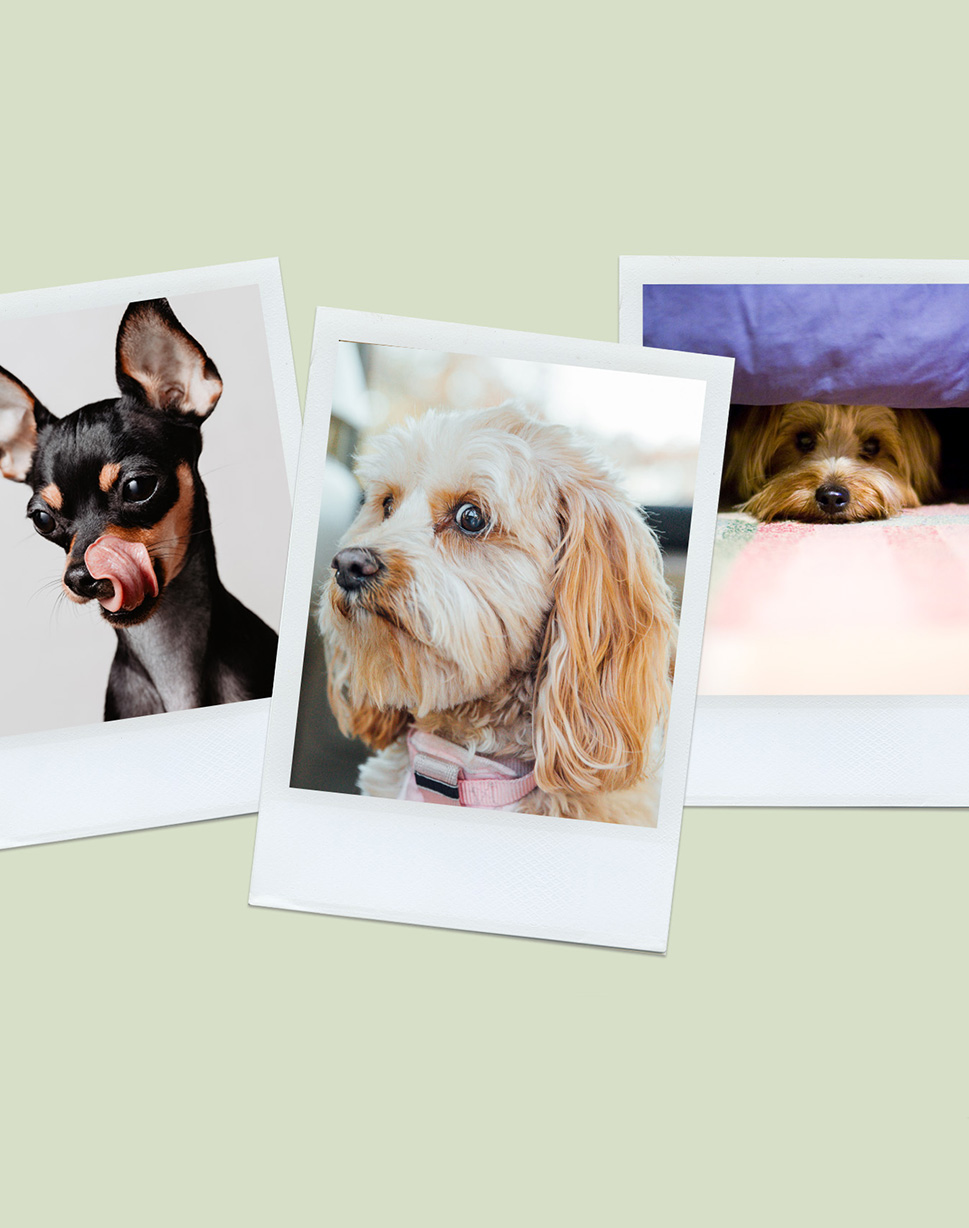
Getty Images: Boris Zhitkov, Vanessa Van Ryzin, Mindful Motion Photography, Jena Ardell
Meet the Dog Trainer
Liz Gibbs is General Manager of Woofie’s of Delray Beach, a mobile grooming service that provides personalized pet care, including dog grooming, dog walking and pet sitting. She was previously zookeeper at Six Flags Great Adventure Wild Safari. Liz has managed a full-service dog and cat boarding facility and has a specialization in animal training and education. She graduated from Rutgers University with a BS degree in Animal Science.
As a dog trainer, Gibbs is intent on educating owners that dogs are incredibly perceptive and in tune with human feelings. "A lot of dogs can smell changes in people," she says. "They pick up on our body language the way that we pick up on theirs." This ability to read our subtle cues is why they might react when we're feeling off. If you've ever had a dog look at you like you've grown a second head, you're not alone. Gibbs has a simple and important message: don't take it personally. Your dog's behavior is a direct response to a change in their environment—which, in this case, is you. To help you better understand your dog, here are five ways to know your dog thinks you're acting weird:
1. Changes in Appearance of Their Eyes and Ears
Liz notes that the first thing to look at is your dog's body language. A key sign of unease is "whale eye," where you can see the whites of their eyes as they look away from you. Their ears might also be “kind of tilted, maybe a signal they are feeling uneasy, anxious or confused,” Gibbs says.
2. Raised Hackles
When a dog's fur stands up on the back of their neck, it's a sure sign of heightened emotion. "A lot of dogs, when they're nervous...the fur on the back of their neck, called the hackles, will stand up," Gibbs says. She compares this involuntary reflex to when a human gets a chill when scared.
3. Excessive Licking of Lips
While a dog might lick its lips after a tasty treat, an anxious dog will do it frequently as a "calming signal." Gibbs explains, "It could be a sign they're uneasy, a little bit nervous." This isn’t a time for canine Chapstick—it’s an attempt to de-escalate the situation and show that they are not a threat.
4. Pacing or Circling or Digging
A dog that is walking aimlessly or pacing back and forth is often feeling stressed—Gibbs says this behavior could be from excitement, but it's often a sign of anxiety. For example, “dogs will pull against a leash for different reasons, including your behavior. Use the additional body language the dog is showing you to see if she’s more excited...or if she’s just very nervous and overstimulated by her surroundings."
5. Avoiding Touch or Seeking Solitude
Just like humans, dogs need time to decompress. If your normally cuddly dog is suddenly keeping to themselves, it might be a sign they are overstimulated or feeling unwell. "First off, what's normal for your dog?” Gibbs asks.”If your dog is always snuggling with you, happy to see you...and all of a sudden, they're kind of keeping to themselves, that could be a sign of upset.” While Gibbs suggests considering the dog may be injured or ill,—”I always rule out a medical condition first"—she also notes that dogs may distance themselves when they sense a family member fighting because "they could be afraid and not know what's going on."
How to Reassure Your Dog
Okay, so let’s just say you’ve shouted or thrown bits of an especially unwieldly Ikea assembly project around the room, and you’re dog’s obviously unsettled. What should you do to reassure your pet after an emotional moment? Gibbs advises against immediately trying to comfort them, as this can reinforce the fearful behavior. Instead, "I sometimes I have to wait for things to calm down." She suggests giving everyone space, calming yourself down first, and then engaging in a positive activity, like a walk or a game with a favorite toy.
After all, dogs are just like us in many ways. "It's not one size fits all," Liz says. "It's kind of fun figuring out, you know, what they're thinking. Yeah, all personality dependent." A little understanding of their language can go a long way in strengthening the bond between you and your lifetime companion. For pets who struggle with separation anxiety, Liz suggests, "even if you can't get [a] pet sitter to come...leave the TV on, leave Alexa on, get some kind of background noise for them, or a frozen Kong with peanut butter so they have something to do when they're by themselves, and it won't turn into a destructive behavior."