
Yes, I Wept Through the New Lilith Fair Documentary

“Lilith Fair: Building a Mystery” streams on Hulu

lilith fair building a mystery review
Ebet Roberts/Redferns

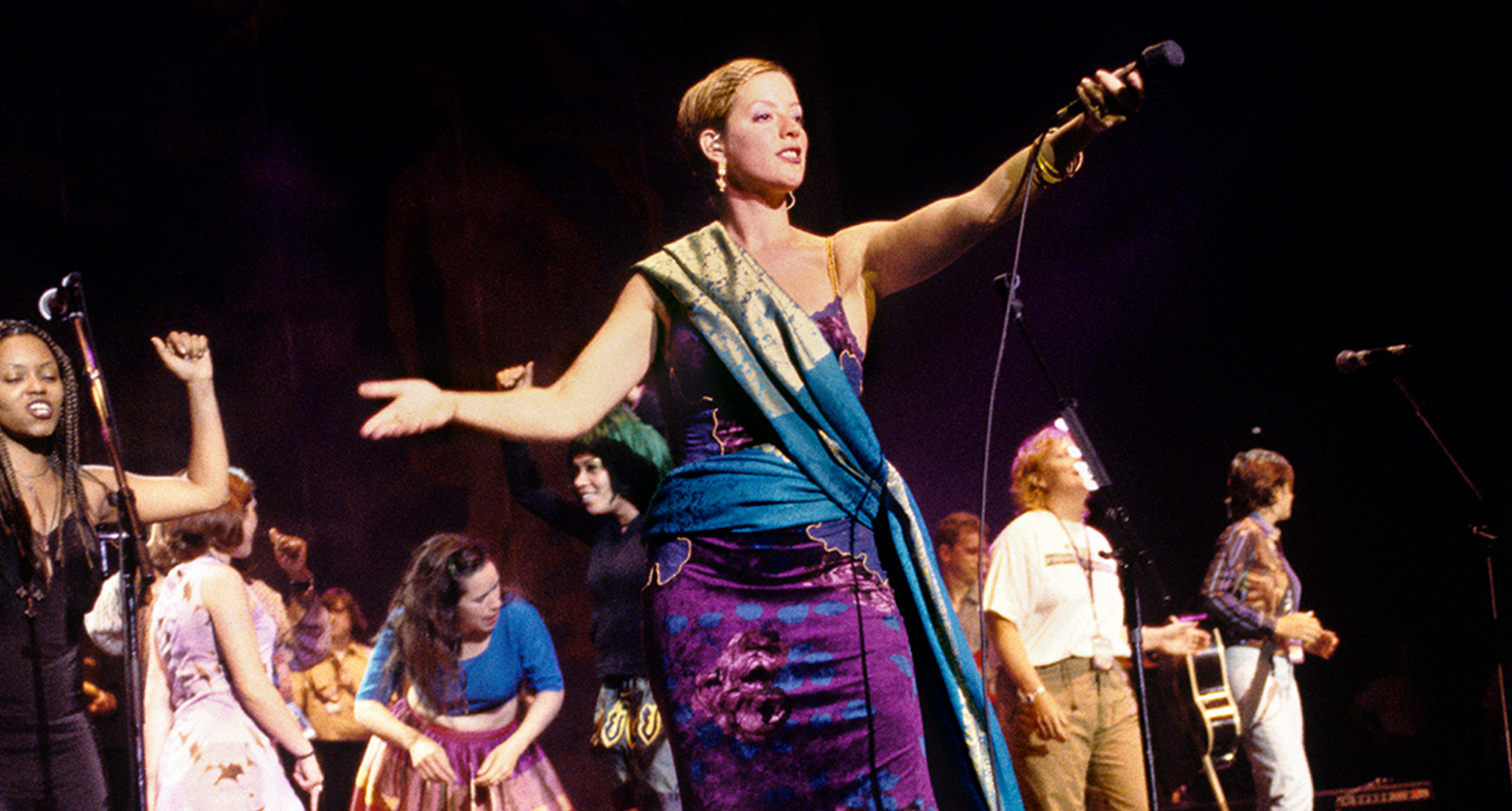
In 1997, the musician Sarah McLachlan did something revolutionary: She sold promoters on an all-female music festival in an era when radio DJs wouldn’t play women artists back-to-back and venues balked at the idea of a lineup with two ladies on the bill. (Tell that to the Sabrina/Taylor lineup.) Then she booked the most incredible selection of mid-90s stars: Sheryl Crow, Jewel, Tracy Chapman, Paula Cole, Fiona Apple—and, in later years—Missy Elliot, The Indigo Girls, Lisa Loeb and Sinéad O’Conner, to name just a handful.

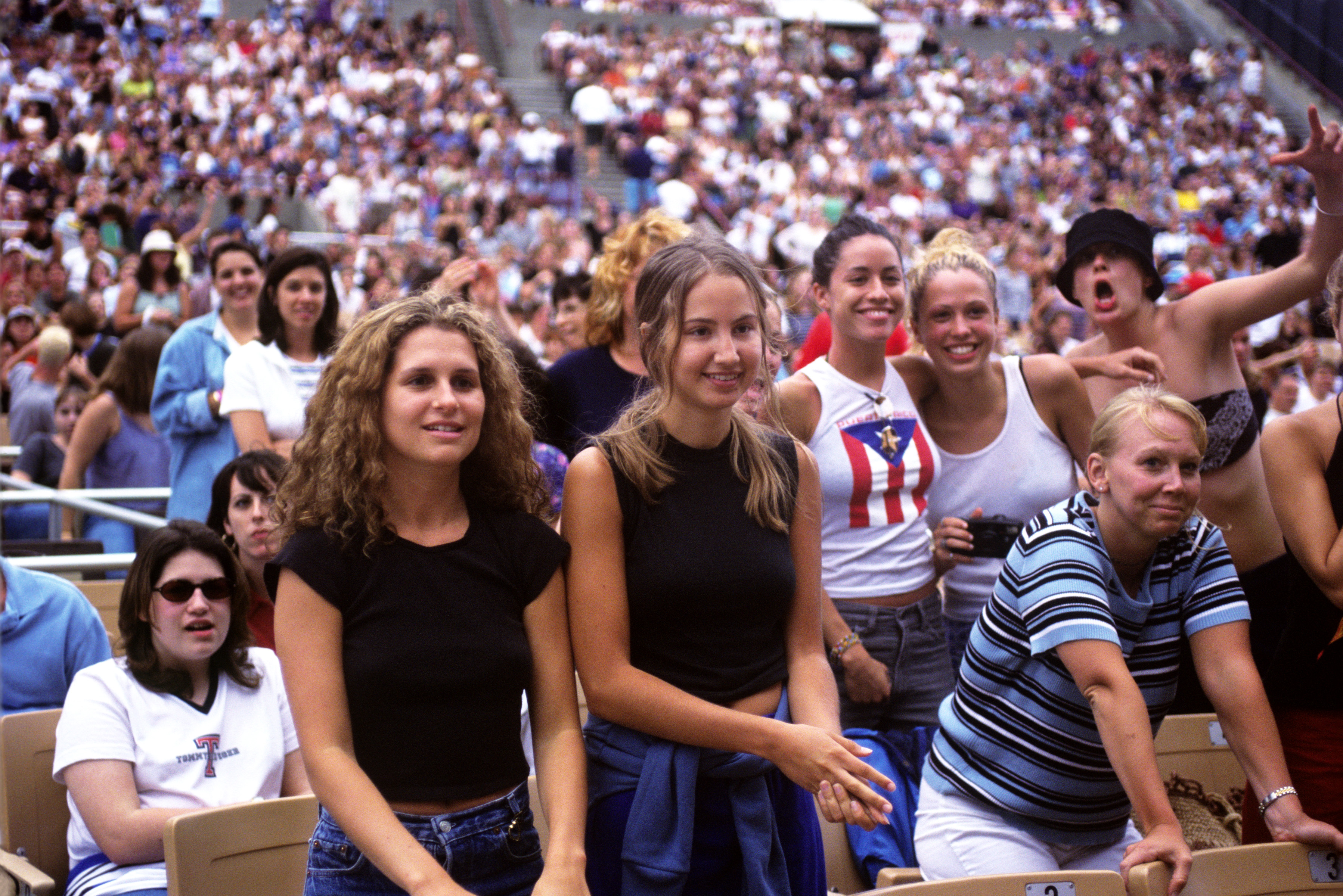
For girls who survived the so-called-90s in a dELiA*s-catalogue-tinted, Walkman-fueled cacophony of breathy-voices over gently-strummed guitars, this Lilith Fair festival (named for the Biblical Adam’s first wife), was essentially the Superbowl. I should know, I attended all three years (’97-’99) thanks to a friend’s mom willing to drive a bunch of teens to Camden, New Jersey. And, in the words of Ms. McLachlan, it was “ecstasy.”

And now, there’s a Hulu documentary, Lilith Fair: Building a Mystery, about the festival’s inception and life, guided loosely by McLachlan herself and created from over 600 hours of on-stage and behind-the-scenes footage. It is, as The New York Times notes, largely navel-gazing and uncritical. It is also essential watching for anyone who loved the music.

The doc starts with an overlay of the Billboard scene at the time, which was ruled by male grunge bands, shock jocks and A&R execs more likely to ask a female musician to lose ten pounds than anything about her act itself. McLachlan and her compadres—she teamed up early with Crow, who is interviewed for the film—created the festival as an antidote to that, a space for women-led acts to perform, not as a monolith but as a tapestry of styles and generations.

This is, perhaps, the best part of the film: Watching footage of musicians as disparate as Emmylou Harris, Queen Latifah and Liz Phair come together and make music. Chrissy Hines snarls into a microphone with Crow. Erykah Badu and Natalie Merchant bring their children on tour. Everyone learns from “den mother” Bonnie Raitt.

This intergenerational love-fest got me weepy, not just because the music gives me feels. (I dare you not to tear up at “Galileo.”) But also because it made me think about the period that followed it; Lilith wrapped just before the turn of the millennium and with it, the reign of the crunchy-lady singer-songwriter. Female musicians became more polished, more produced. They lost the ten pounds and they accepted the autotune.

And more to the point, Lilith and her sisterhood-of-the-traveling-ukulele became a joke. As I headed off to college, I was quick to bury my Ani and Tori albums deep within my zippered CD book, lest a cool boy think I was just some hairy-legged feminist. Out came The Strokes, Modest Mouse, Radiohead—all great artists, but also calculated (by me) as cooler, more emotionally-reserved and more guy-friendly than my high school playlist. 

lilith fair building a mystery review
Ebet Roberts/Redferns

Watching Lilith Fair: Building a Mystery, I was reminded that these women were more than a punchline. Their music was great and their impact was real. Olivia Rodrigo and Brandi Carlile chime in to explain the festival’s impact on their own work, and we’re reminded, at the end, of the contemporary musicians—from Boy Genius to Taylor Swift—who have continued the legacy.

Certainly, this is a film built on nostalgia. But it’s a memory lane I was happy to walk again.

Want all the latest entertainment news sent right to your inbox? Click here.


jillian quint editor in chief purewow

Editor-in-Chief

  • Oversees editorial content and strategy
  • Covers parenting, home and pop culture
  • Studied English literature at Vassar College