
I Rewatched Grease as an Adult—and There’s No Way I’m Letting My Kids See It

Is ‘Grease’ still the word? Not anymore…

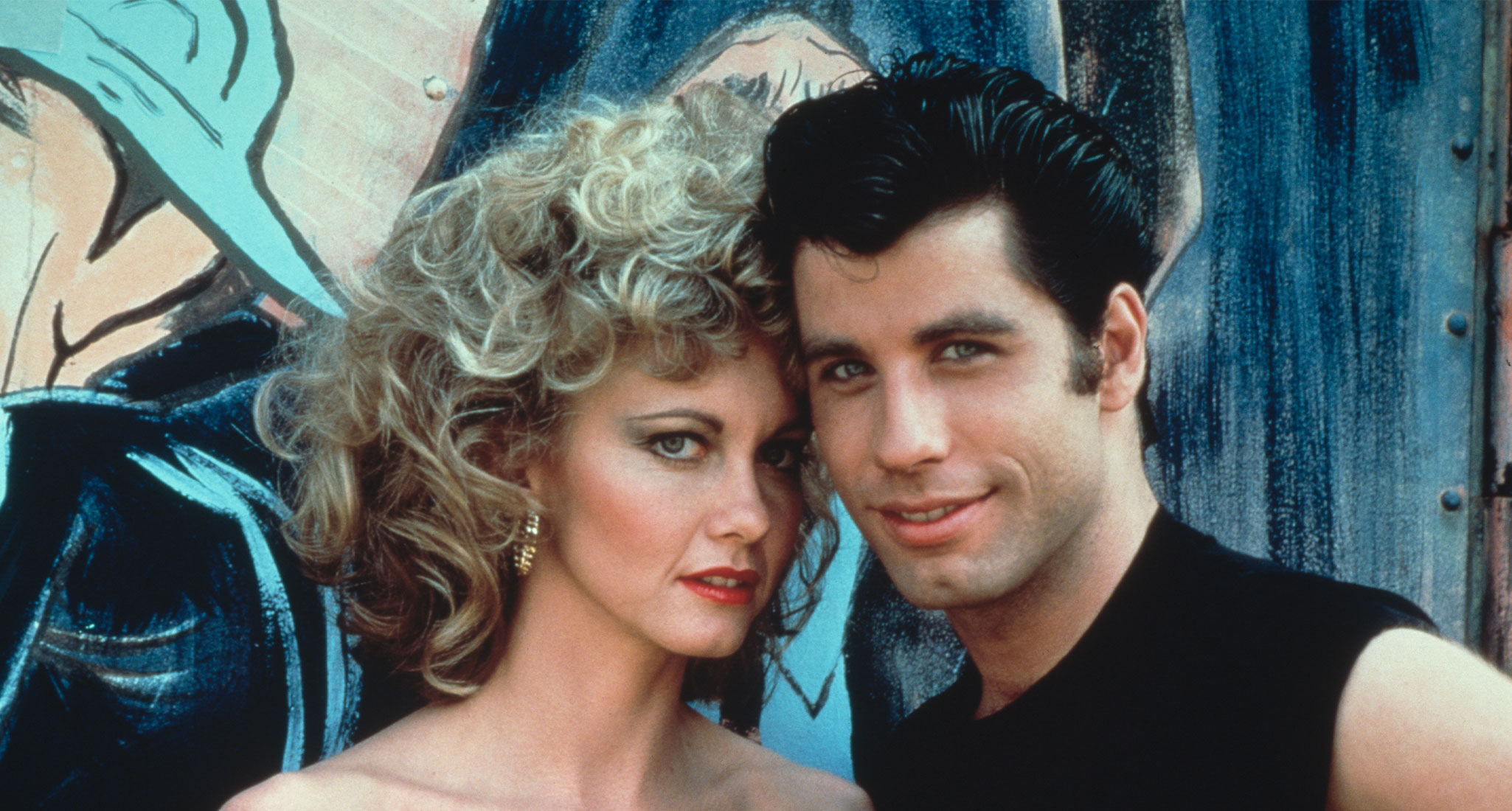
grease-problematic: olivia newton-john and john travolta as sandy and danny in 'grease'
Paramount Pictures/Handout/Getty Images

I recently rewatched the movie Grease with the intention of potentially showing it to my kids once I had refreshed my memory with a pre-screening. And to be honest, I wasn’t expecting much. I tried cigarettes, alcohol and sex before I turned 18. Just call me Rizzo! And I’m sure a lot of kids today are up to the same shenanigans whether their parents like it or not.

So, what was it like revisiting this cult classic? Let me tell you: I was not scandalized by the sleepover scene where the girls snuck cigarettes. I was not scandalized by underage drinking and not scandalized by the idea of sexually active teenagers, either. However, I will not be showing Grease to my 8-year-old son and 10-year-old daughter on our next movie night, because the movie’s handling of the sex stuff is done so very poorly. Read on for an honest parent review of a beloved film that has decidedly not aged well.

What Made Grease Groundbreaking When It First Came Out?

OK, before I tear this nostalgic classic apart, let’s talk about why everyone holds such a special place in their heart for it. I grew up watching musicals. My mom was pretty old-fashioned and wasn’t a huge fan of exposing kids to some of the less wholesome Hollywood blockbusters, so Rodgers and Hammerstein were pretty much household names when I was young. (Oklahoma, Carousel, South Pacific…you catch my drift.) Well, the most groundbreaking thing about Grease was that it made the musical fresh and hip again, which was a pretty huge feat given the counterculture movement of the late 70s when it came out (Grease was released in 1978). It spoke to the younger audience members in a way that The King and I just couldn’t, because it understood the times and was just risqué enough to capture the attention of the coming-of-age set, whilst placing an emphasis on musical numbers that were (and still are) catchy and truly loveable. To this day, I endorse all of these positive features of Grease the movie…but it’s a different story when it comes to showing it to my own kids. Here’s why.

1. The Actors Are Way Too Old to Pass for High School Students

The strange casting choices might seem like a trivial complaint. Still, it struck me that I would feel really awkward watching Grease with my 8-year-old son and my tween daughter—namely because these characters are supposed to be 16 or 17 years old, but the actors are, in fact, a lot closer to my age than they are to high school. Sure, there’s all the hormone-fueled energy that you’d expect from high school students, but it’s kind of weird to watch it play out between a bunch of 30-somethings. And yes, you can tell! For example, Stockard Channing (aka Rizzo) was 33 years old when the movie was filmed...and you would not mistake her for a teen. If I dressed up like a teenager and started acting like I was going through puberty, my kids would be disturbed. Would they feel the same way watching Grease? I don’t know, but there are other reasons why we won’t be finding out the answer to that question anytime soon.

2. The Sexual Politics Are Problematic

Rizzo is certainly a main character in Grease, but it’s very clear that the only purpose of her role is to play the promiscuous foil to pretty and oh-so virginal Sandra Dee. There’s rampant slut-shaming where Rizzo is concerned (she’s rejected for being “sloppy seconds”), but there’s also an entire musical number devoted to shaming the prudishness of Sandra Dee. I understand the movie is simply depicting a bunch of adolescents who are figuring out their sexuality and doing so at different paces, but the portrayal of this process feels negative all around and rather disempowering. Teenage girls are sluts if they explore their sexuality, prudes if they hold back or take it slow. If your entire self-worth is wrapped up in pleasing teenage boys, Grease certainly suggests that a girl just can’t win.

3. The Biggest Hit Song Is Basically an Ode to Rape Culture

“Summer Nights” is one of the biggest hit songs in the entire movie and it makes a big first impression…in a bad way, if you listen closely. The song is mostly harmless (teenagers gossiping, embellishing events, etc.), but then there’s that one ‘tell me more’ verse: the girls ask, “was it love at first sight?” and the boys, “did she put up a fight?” I honestly can’t find another way to interpret this except as an allusion to date rape. I suppose you could think, well, ‘was she playing hard to get?’ But even that concept is pretty problematic. Who gets to decide that someone is ‘playing hard to get’? Perhaps they are just saying ‘no’ and it’s not what you want to hear.

However you interpret this line, you can’t escape the fact that it brings up major concerns about consent. When my children have their first sexual experiences, I hope that neither of them will pressure another person or feel pressured by another person. It irks me that Grease normalizes the idea of pressuring women into sex and portrays that behavior throughout the movie as something that horny teenage guys just do. And there is truth to that, but that doesn’t make it OK.

When my 8-year-old is a horny teenage guy (ew!), I want him to be the kind that doesn’t do that. And if my daughter ever finds herself in a situation like that, I would like her to have the confidence to not be pressured and to permanently walk away. I guess what I’m saying is that my big beef with Grease is that it’s seriously lacking in positive role models and messaging—so lacking that I can think of hundreds of other movies that would be better candidates for introducing my kids to all the coming-of-age stuff.

4. The Ending Is Plain Weird

After all is said and done, what does Sandra Dee end up doing to snag her guy? Well, she trades the pastel cardigans in for skin-tight leather pants and a revealing blouse. Sandra Dee’s makeover is just kind of confusing; there’s nothing wrong with it, but her motivation for transforming her style so dramatically is very unclear. Is it because of social pressure or is she actually just embracing her true self? And if that is her true self, then why is the final scene such a celebration of chang-chang-boogity-boogity-bop when Rizzo has been dragged through the dirt throughout the movie for wearing her sexuality on her sleeve in much the same way?

Sex is front and center throughout Grease but the messaging is so mixed, I think I will wait until my kids are a little older before showing them a movie that will befuddle them even more.


Resized 20230822 160749 1707534340613

Freelance PureWow Editor

  • Has 5+ years of experience writing family, travel and wellness content for PureWow
  • Previously worked as a copy editor, proofreader and research assistant for two prominent authors
  • Studied Sociology, Political Science and Philosophy in the CUNY Baccalaureate independent study program.