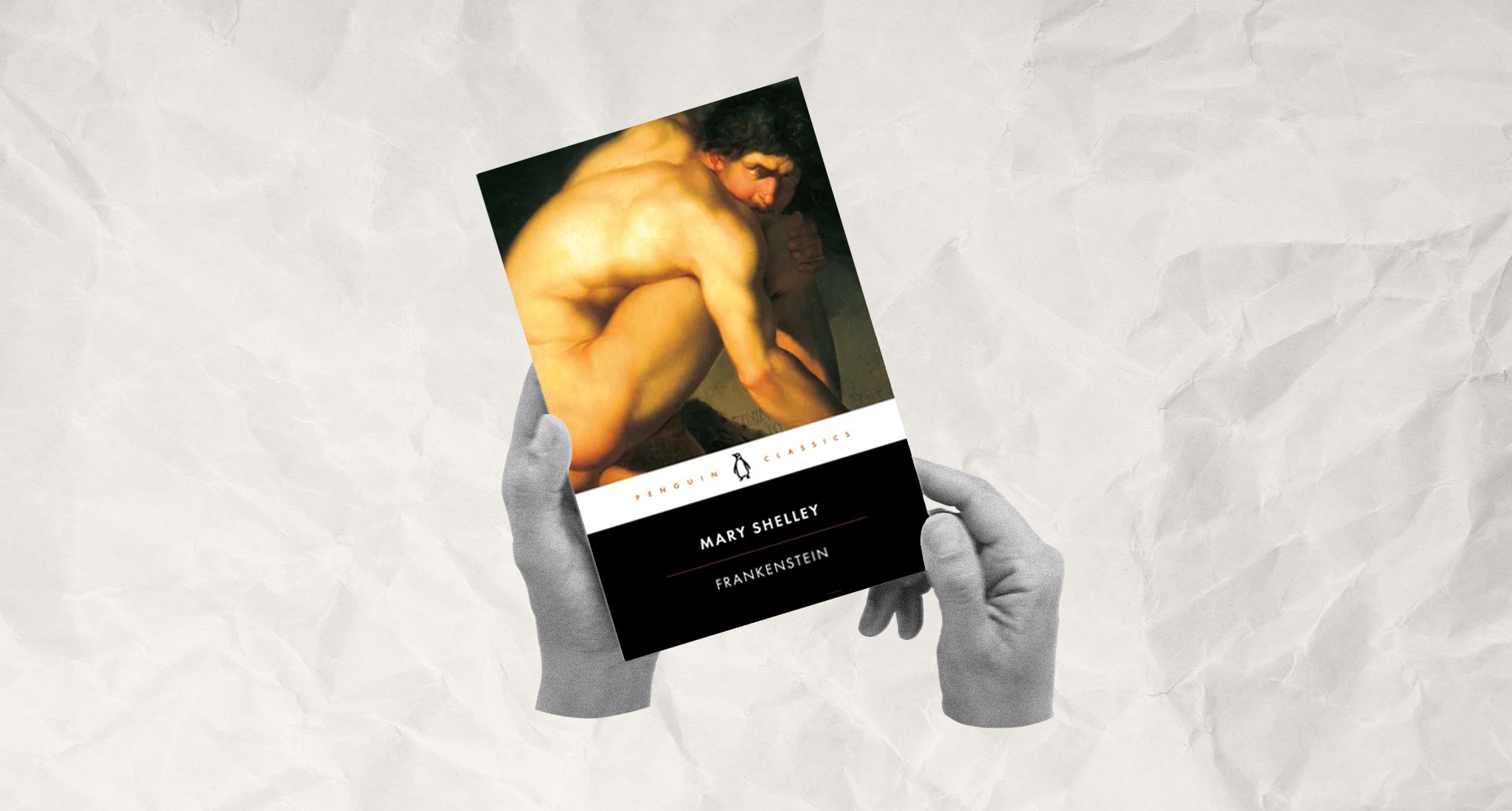
Every October, my book club chooses a spooky classic to kick off the autumn season. This year was The Strange Case of Dr. Jekyll and Mr. Hyde. Last year we read Dracula. And the inaugural year, we selected Frankenstein. Prior to reading, my only notion of Frankenstein involved square green monstrous cartoons tenuously held together with one too many screws in the head. Thus, I was surprised that upon turning the last page, I was deeply moved. With Guillermo del Toro’s new adaptation now in theaters (and coming to Netflix November 7), I re-read the book as a primer for the screening—and left, as I expected, blown away.
The Gothic Read That Unexpectedly Blew Me Away (& Is Now a Major Motion Picture)

•
Published Oct 21, 2025
PureWow editors select every item that appears on this page, and some items may be gifted to us. Additionally, PureWow may earn compensation through affiliate links within the story. All prices are accurate upon date of publish. You can learn more about the affiliate process here.
IMDb
First, a Piece of Book Club Trivia
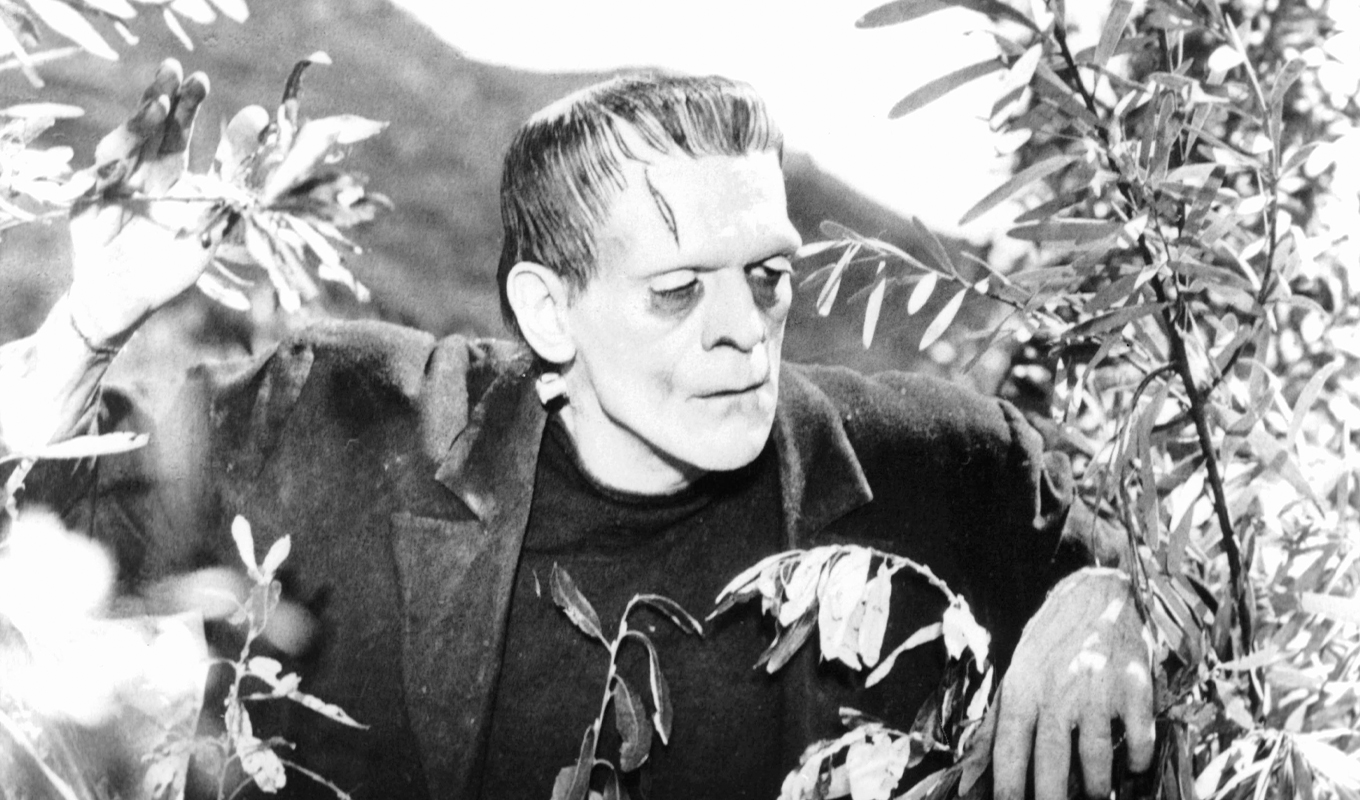
Fun fact: The monster in Shelley’s novel does not actually have a name. Frankenstein is rather the name of its creator, Victor Frankenstein. (Use that the next time you’re out at book trivia.)
While pop culture often represents Frankenstein’s creation as a haphazardly assembled sack of bones with a questionable green pallor and poor stitching, in the novel, the creature is constructed with utmost care.
For those unfamiliar with the actual premise of the book, it’s framed as a story told to an arctic explorer, Walton, who relays the tale in a series of letters to his sister in England. The book begins when Walton and his crew rescue a feeble Frankenstein from a sheet of floating ice, after which the doomed scientist recounts his horrifying experiences.
The TL;DR
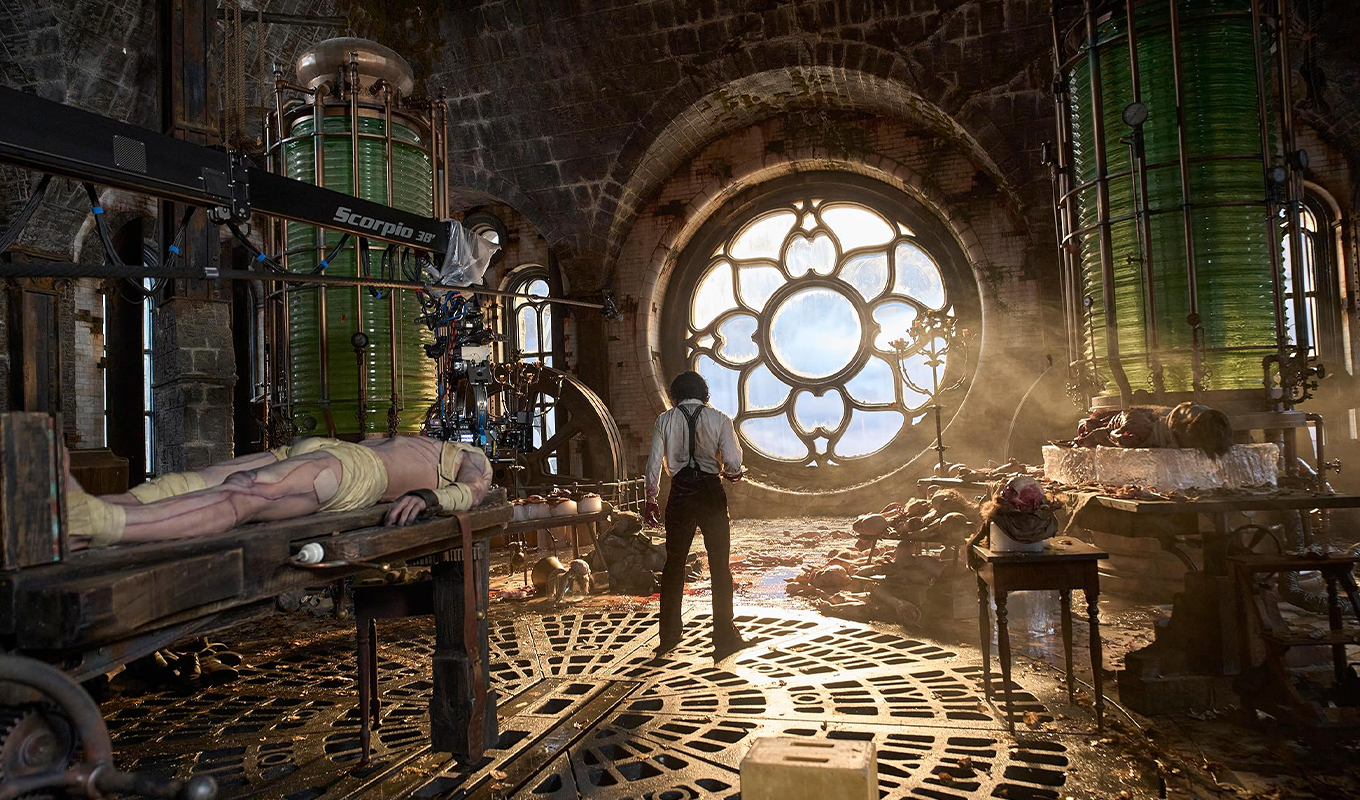
From a young age, Victor Frankenstein is fascinated by natural philosophy and the challenge of giving life to inanimate matter. He spends his university years studying in a feverish pursuit of this quest, and ultimately succeeds when he breathes life into a monster. Upon gazing at the creature who is absolutely massive (the Jacob Elordi casting does him justice), with yellowed skin and black lips, Frankenstein realizes his grave and un-repentable error. He scares the beast away and passes the next few years in relative peace...that is, until the monster comes back seeking revenge. Understanding that he is destined to be scorned by humankind, Frankenstein’s monster demands that his creator fashion him a female companion. If the scientist acquiesces, he has the monster’s solemn promise that the latter will disappear deep into the South American forests, never to be seen again. When Frankenstein declines, he dooms himself to a life of torment and misery as the monster hunts down those he loves.
IMDb
I Ended Up Rooting for the Monster
What Shelley does so well—and that I expect del Toro’s adaptation to address, too—is humanize Frankenstein’s monster. He’s not a blithering, mindless, amoral, devious machine. In fact, in many ways, I’d argue that the monster was more human than his hubristic creator.
Seeing the monster’s intimidating form (of his own creation!), Frankenstein rejects his work on the spot, appalled. The monster is thus left to fend for himself, which is a high challenge considering that the way he experienced the first sensations of life is akin to being born. Surprisingly, some of the first things he learns are goodness, community, generosity and love…things that, tragically, are denied to the monster on principle because of his hideous frame. This made it all the more heart-wrenching when he beseeched Frankenstein: “I am thy creature, and I will be even mild and docile to my natural lord and king, if thou wilt also perform thy part, which thou owest me. Oh, Frankenstein, be not equitable to every other and trample upon me alone, to whom thy justice, and even thy clemency and affection, is most due.”
It Begs the Question: Who’s the Real Monster?
I’m not condoning murder, of course, which the monster performs with vengeance. (I won’t divulge the victims, but it’s a sad affair indeed.) What I am saying is that Frankenstein deserves the litany of tragedies that befall him.
“Will no entreaties cause thee to turn a favorable eye upon thy creature, who implores thy goodness and compassion? Believe me, Frankenstein: I was benevolent; my soul glowed with love and humanity; but am I not alone, miserably alone?” Based on this humble request alone, I was left to wonder who the actual monster was in this relationship. As the book progresses, it’s evident that Frankenstein only driven by self-interest, while the monster earnestly attempted to cultivate in himself real altruistic qualities.
At just 221 pages, the book is snappy, though not lacking at all in substance. Frankenstein took everything I thought I knew about morality and twisted it into something unexpected. A challenge to look for humanity and goodness in the most unlikely places.