I’m a Beauty Editor, and Here’s the One Problem I Can’t Believe the Skincare Industry Hasn’t Solved

Wake up brands!

white cast sunscreens beauty industry problem a photo of a woman with sunscreen on her cheek
PeopleImages/Getty Images

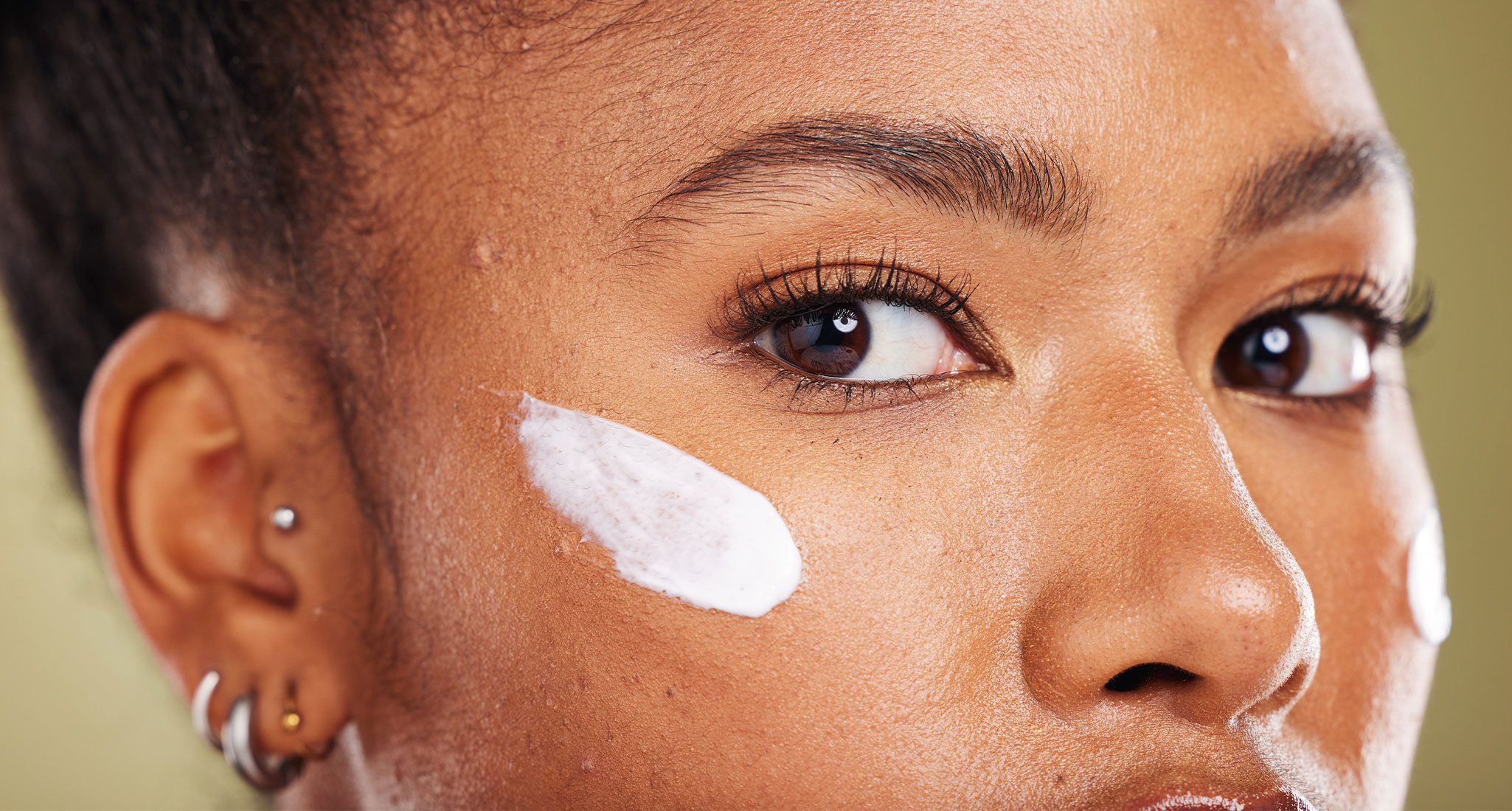
Whether I’m trying a tinted SPF moisturizer or straight-forward sunscreen, I want to know: does it leave a white cast? I have to ask this question because, even though brands will label their product as ‘universal,’ ‘clear’ or ‘transparent,’ the marketing promise doesn’t always match the reality. This was made incredibly clear when, this May, internet-favorite brand Tower 28 launched their SOS FaceGuard SPF 30 Mineral Sunscreen as a great option for all skin tones. It slapped on a label claiming zero white cast, even releasing promos showing models with darker complexions. Beauty fiends were excited to get their hands on the buzzy FaceGuard, but in a single swipe of product, quickly learned that zero-cast claim was 100 percent false. Prominent Black influencers began sharing on social how the ‘zero white cast’ sunscreen actually left their skin. 

Beyond the white cast, I have to ask how, in 2025, is a skincare staple that we ALL need still experiencing the same problem—and why are brands spending more time lying to us than actually solving the issue? Following the uproar, Tower 28 founder, Amy Liu, issued a statement on social media saying the new product ‘missed the mark.’ Unfortunately, this isn’t the first brand to do it, and sadly, it won’t be the last. So, how can brands do better? 

“Marketing this as a no white cast sunscreen in 2025? It just makes me feel so undervalued as a consumer,” shared Dr. Julian Sass, a cosmetic scientist who built his platform on filming honest reviews on ‘inclusive’ sunscreens. And he wasn’t the only one. Comment sections and Reddit posts started calling out the brand for misleading their consumers. One Redditor wrote, “As a brown person, I don’t really see how it’s okay to make this mistake in 2025. They didn’t test this on deeper skin tones as part of development? If they did, they would have quickly known that this is not a universal tint.” 

I’m already bracing for comments akin to, “Boo hoo, why don’t you just use chemical sunscreen?” When it comes to chemical vs. mineral (physical) sunscreen, people with medium to dark skin tones tend to favor chemical sunscreens not because of its chemical protection, but because of its zero-white cast. But while chemical sunscreen absorbs UV rays, mineral sunscreens block and reflect them, while absorbing quicker. It’s also a gentler option, especially for sensitive skin and those with eczema and rosacea, as well as being great for children and pregnant people. 

But why should we have to limit ourselves and suffer when brands can just do better? Don’t market a product as universal if you’re not putting in the work to test on all skin tones, or even diversify your company in raising concerns from said communities. 

Listen, I’m not saying there are no sunscreens out there actively working for all skin tones. (I wrote a whole story that debunks that.) Some formulas have come a long way—just look at brands like Supergoop!, Fenty and Dr.Jart+, to name a few. It’s also important to note that it’s nearly impossible to make a completely invisible mineral sunscreen. “Of course the world wants a mineral sunscreen that leaves no white cast, but we’re just not there technologically,” says creator Alexis from Lipstick Lesbians. “But it has everything to do with the fact that historically this has not been prioritized.” 

It’s simple: Brands need to stop misleading their customers and faking inclusivity. What do you get from creating false benefits of your product? Stop saying it’s 100 percent clear when it facts it leaves us looking like Casper the Friendly Ghost. Despite the controversy, many brands can take a page out of Tower 28 book. In the statement, Liu say they are actively changing their marketing language, doing a new formulation of the FaceGuard *and* updating their testing process. But their biggest action plan is collaborating with a diverse group of experts, scientists and consumers moving forward.

Actions speak louder than words. The beauty industry still has gaps that need to be addressed. It’s time to be more transparent (pun intended). Yes, representation is important—but let’s work on doing it correctly. You either put in the work (and money) with more studies to prove it works on all complexions, or you can just be more honest with what you’re selling. All I’m asking for brands to quote on quote, stand on business.


about face matte fluid eye paint review chelsea candelario

Beauty Editor

  • Writes trend stories, product reviews and how-tos across beauty, cultures, fashion and entertainment
  • Six years of experience as a Beauty Editor
  • Studied journalism with a minor in creative writing at SUNY New Paltz