
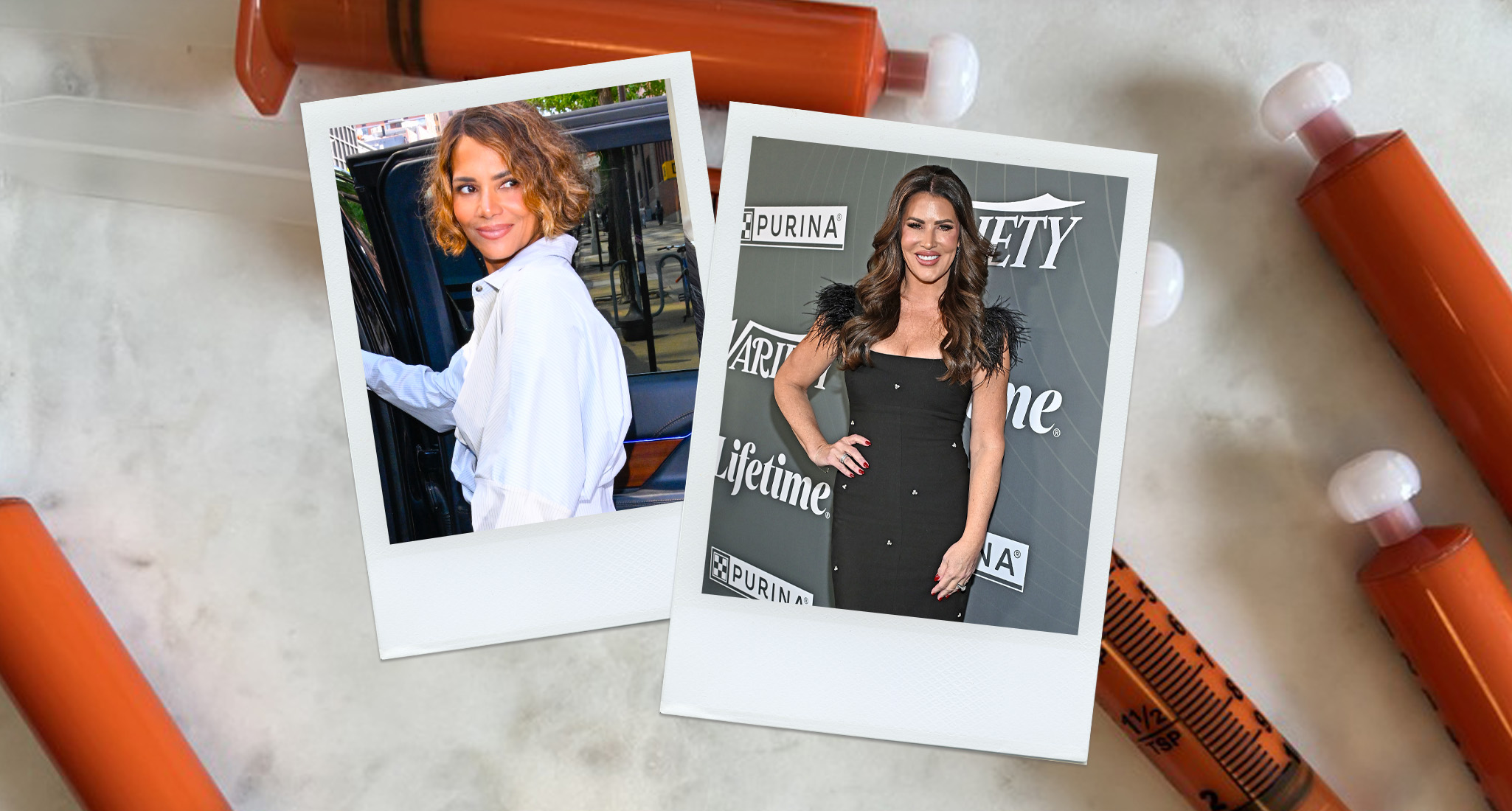
Suddenly, testosterone for women is a topic that’s everywhere. There are hundreds of thousands of TikTok views on videos of women taking testosterone supplements and major news organizations are all over the hormonal supplement, too. Real Housewives take it. Halle Berry sings its praises. As a wellness writer, not since the great roll-out of Ozempic in the early 2020s have I seen a drug capture the imagination of the public, especially women. Ozempic came to popularity on a wave of unclear intel, scary stories and moral shaming (you’ll have to take the shots forever! You won’t get the nutrition you need! The drug means you are caving to body image oppression!); this reminds me of the current discourse around testosterone for women.
I’ve heard both appealing and concerning anecdotes about women taking the stuff, and I understand there are no female-focused medical studies about testosterone. Mostly, I'm hearing about the hormone’s ability to restore energy, sexual drive, mental clarity and other feel-good elements to a woman’s life, especially after menopause. But I’m also detecting not-so-subtle shade and sexism (ladies, can’t you just try harder? You’ll seem mannish if you take this male hormone). Testosterone for women is a contemporary Snow White fable: A witch is telling us, I’ll give you days of feeling energetic and horny, my pretty, in exchange for chin hairs and an enlarged clitoris.
I wanted to take down the heated temperature of the debate a bit, as a woman who has taken testosterone supplement for years, as prescribed by my gynecologist. Additionally, I spoke to a hormone specialist physician about what doctors know about this drug, how she sees women benefit from it, what its risks are and why this medicine, which has been available as a supplement for men for decades, is just now becoming popular for women to take.